Guide No. 12 · The Castle Rolls
Border Reivers and Peel Towers
Not every castle on this roll was built against an army. Along the Anglo-Scottish border, for three centuries, the enemy was far more often your own neighbour, and the buildings that went up in response were smaller, plainer, and far more numerous than anything a king ever ordered.
A peel tower is a small, plain, fortified stone tower built along the Anglo-Scottish border, mostly between the 14th and 17th centuries, as a defensible home against raiders rather than a fortress against an army. Hundreds were built by lesser gentry and even tenant farmers on both sides of the line, distinct from the grander Scottish tower houses covered elsewhere on this roll - smaller, cheaper, and built purely for the job of surviving a raid rather than for show. They exist because of the Border Reivers: the raiding families who made cattle theft and cross-border violence a settled way of life for roughly three centuries, in a region where the writ of neither crown ran very far.
The idea
A typical peel tower was almost square in plan, three or four storeys high, with walls up to ten feet thick. The ground floor was a stone barrel vault, fireproof and used for storage rather than shelter - livestock went instead into the barmkin, a walled enclosure attached to the tower, where a family's cattle could be driven and the gate barred within minutes of a warning. At the top, an iron basket held a beacon: an English Act of Parliament in 1455 required border landowners to keep one ready, so a raid spotted at one tower could be relayed, fire to fire, along the whole line in a matter of hours.
None of this was built to withstand a siege in the way Caernarfon or Warwick was. A peel tower didn't need to hold out for weeks against a besieging army with cannon - it needed to keep a family and their livestock safe for a few hours, until a raiding party gave up and moved on to an easier target. That is the whole design brief, and it explains why the border ended up with so many of these towers rather than a handful of grand castles: the threat was frequent, local, and fast-moving, not occasional and overwhelming.
Who the Reivers actually were
"Reive" is simply an old word for raid, and the Border Reivers were the raiding families - surnames rather than clans in the Highland sense - who lived along both sides of the frontier from roughly the 13th century until the early 17th. Names like Armstrong, Elliot, Graham, Kerr, Nixon and Robson turn up again and again in border records, not as occasional outlaws but as extended kin networks for whom cattle raiding was a normal, semi-organised part of the local economy. They raided across the border just as readily as they raided their own countrymen a few valleys over; national loyalty mattered far less on the border than family loyalty did.
The frontier was governed, in theory, by six Marches - East, Middle and West, one set on each side of the line - each under a Warden with regular Days of Truce for settling grievances peacefully. In practice Wardens often struggled to control their own kinsmen, and one strip of territory near the Solway Firth, the Debatable Land, was claimed by neither crown at all until 1552, becoming the most lawless ground on the entire border. A raided family had a recognised right to a "hot trod" - a counter-raid within six days, conducted openly, with a lit piece of turf carried on a spear to announce its lawful purpose. It was, in its way, a working legal system. It just wasn't one that produced much peace.
Built against neighbours, not armies
It's worth being plain about how this essay differs from the Scottish tower houses covered elsewhere on this roll. That essay's subjects - Craigievar, Crathes and the rest - were built by lairds with real wealth, and many grew steadily more decorative as the threats they'd answered receded. Peel towers were built by poorer border gentry and working farmers, purely for defence, and mostly stayed plain for as long as the border stayed dangerous. Drumcoltran, standing quietly in a Galloway farmyard to this day, is about as honest an example as survives: a small, working tower, never dressed up, never needing to be.
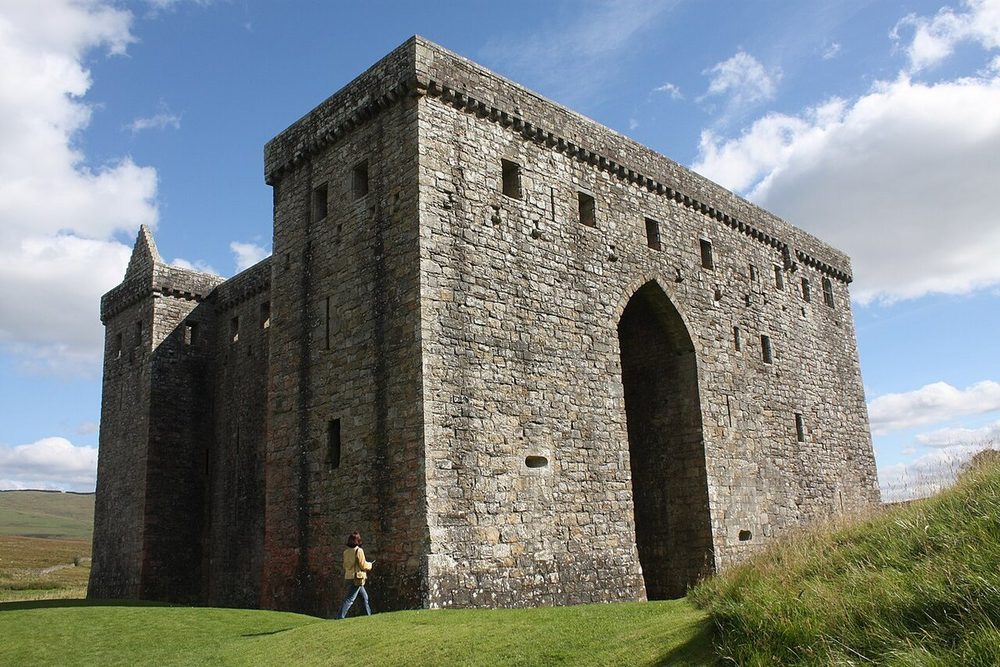
Behind the plain towers stood grander strongholds, built by the great border families who were supposed to keep order. Hermitage, seat of the Wardens of Liddesdale, has one of the fiercest reputations of any castle in Scotland - the dale it guarded was reckoned the most lawless on the whole frontier, and its history includes the imprisonment and probable murder of one warden by his own men. On the English side, Norham guarded a key crossing of the Tweed for the bishops of Durham, besieged so often that Sir Walter Scott called it the most dangerous place in England. Neither is a peel tower in the strict sense - a size up, built by families with real resources rather than one farming household - but both answer exactly the same fear.
How it ended
Reiving didn't fade out gradually - it was ended, deliberately and quickly, by a change in who ruled both sides of the line at once. When James VI of Scotland became James I of England in 1603, the border stopped being a boundary between two crowns and became, in his own phrase, the "Middle Shires" of a single kingdom. He abolished the old Wardens of the Marches, formed a joint commission to police the region, and between 1605 and 1606 had around 79 of the most notorious reivers hanged, with many more families broken up and exiled to Ireland or the continent. It was a brutal, effective policy, and within a generation the raiding culture that had shaped the border for three centuries was largely gone - leaving the towers themselves behind as the clearest evidence it had ever existed at all.
Quick answers
What is a peel tower?
A peel tower (also spelled pele tower) is a small, plain, fortified stone tower built along the Anglo-Scottish border between roughly the 14th and 17th centuries, as a defensible home against cattle raiders rather than an army. Most were three or four storeys, with walls up to ten feet thick, a vaulted stone ground floor used for storage, and a barmkin - a walled enclosure outside the tower - where livestock could be driven to safety at short notice.
Who were the Border Reivers?
The Border Reivers were the raiding families of the Anglo-Scottish border country, active from roughly the 13th century to the early 17th, who stole cattle and goods from their neighbours - often on the opposite side of the border, but just as often from families on their own side. They were organised into surnames or riding families rather than clans in the Highland sense, and reiving was less an occasional crime than a settled way of making a living in a region where royal law on both sides barely reached.
What's the difference between a peel tower and a Scottish tower house?
In practice the two overlap - a peel tower is a type of tower house. The distinction on this roll is one of scale and status: the great Scottish tower houses covered elsewhere, like Craigievar or Crathes, were built by lairds with real wealth and often became increasingly decorative over time. Peel towers were built by lesser border gentry and even tenant farmers, purely for defence against raiding, and stayed plain and functional for as long as the border stayed dangerous.
What was the Debatable Land?
The Debatable Land was a strip of border territory, roughly ten miles by four, between the Esk and Sark rivers near the Solway Firth, which neither the English nor Scottish crown fully controlled until 1552. It became the most lawless part of an already lawless frontier, and a stronghold of some of the most notorious reiving families, including the Armstrongs and Grahams.
When did Border reiving finally end?
The union of the Scottish and English crowns under James VI and I in 1603 removed the border itself as a legal boundary, and the new king moved fast to end reiving for good. He renamed the region the Middle Shires, abolished the old Wardens of the Marches, and between 1605 and 1606 had around 79 of the most notorious reivers executed, with many more families exiled to Ireland or the continent - a deliberate, brutal pacification that succeeded within a generation.
Where to stand inside the idea
Eight sites on the roll, from a single plain tower in a farmyard to the grim stronghold that tried, mostly in vain, to keep the whole border in order:
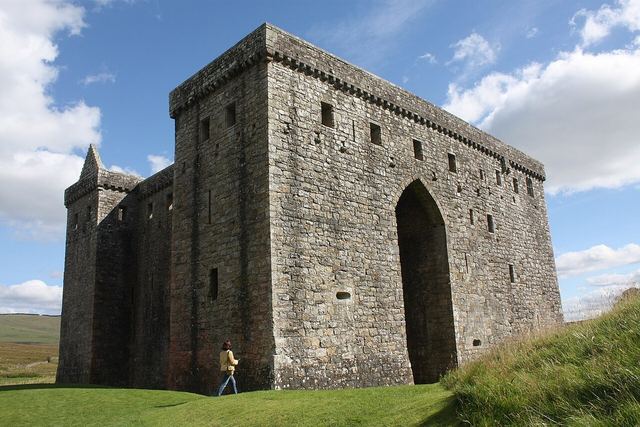
Hermitage Castle
Not a peel tower itself but the great stronghold behind them - the grim seat of the Wardens of Liddesdale, at the heart of the most lawless dale on the entire border.
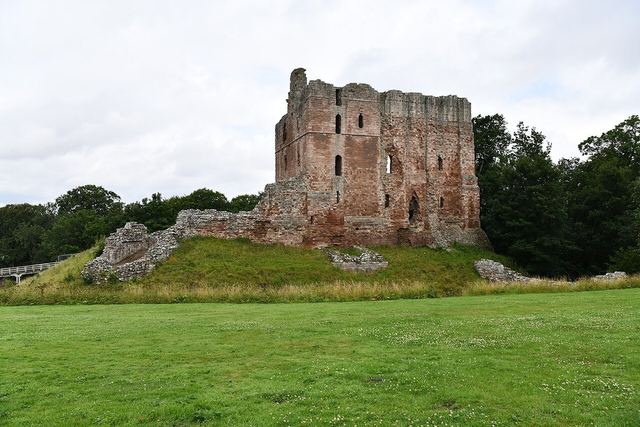
Norham Castle
A bishop of Durham's border fortress at a key crossing of the Tweed, besieged so often Sir Walter Scott called it the most dangerous place in England - grander than a peel tower, but built against exactly the same threat.
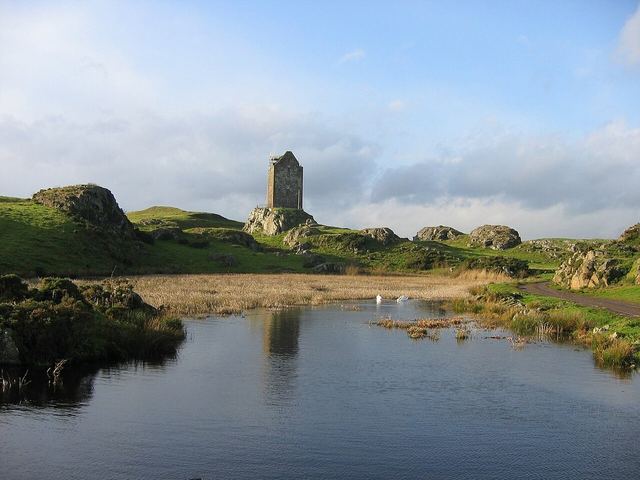
Smailholm Tower
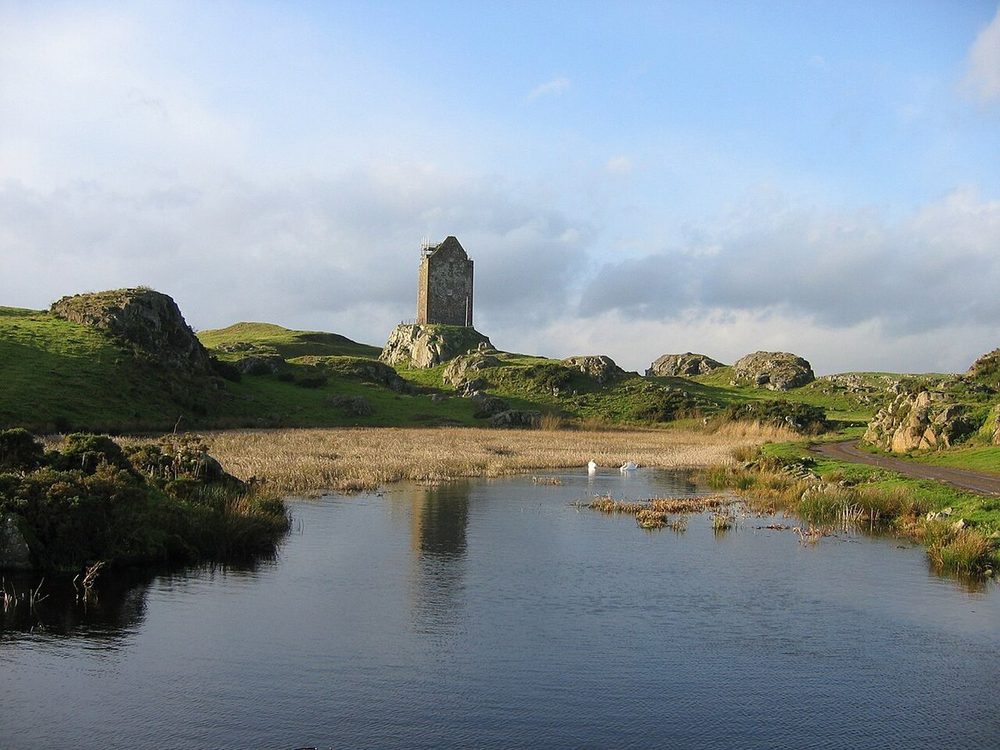
A stark, single free-standing peel tower on a rocky outcrop in the Scottish Borders, roofed and largely unaltered - about as complete a small tower as survives anywhere on the line.
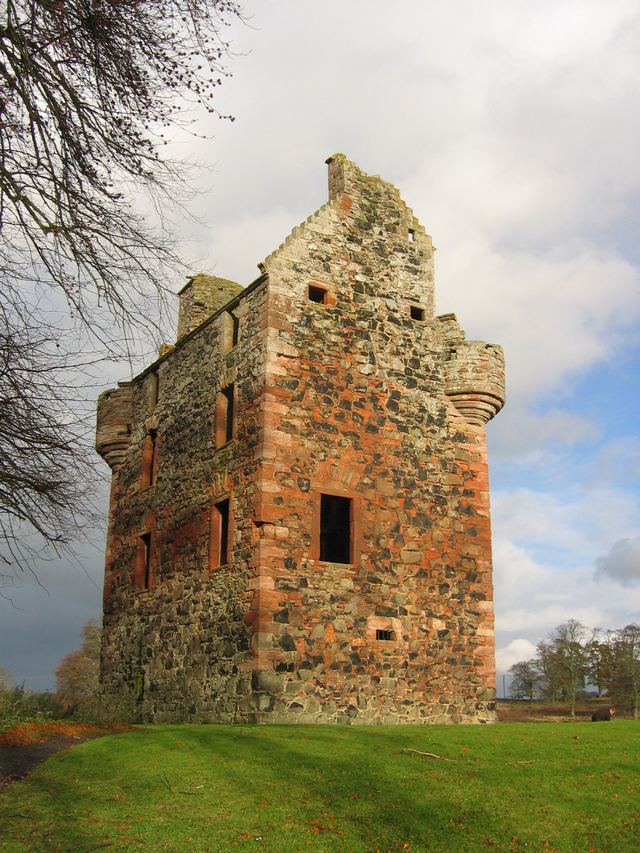
Greenknowe Tower
A plain 16th-century L-plan tower near Gordon, free to visit, with none of the later decoration that softened the grander tower houses - the peel-tower idea in its most unadorned form.
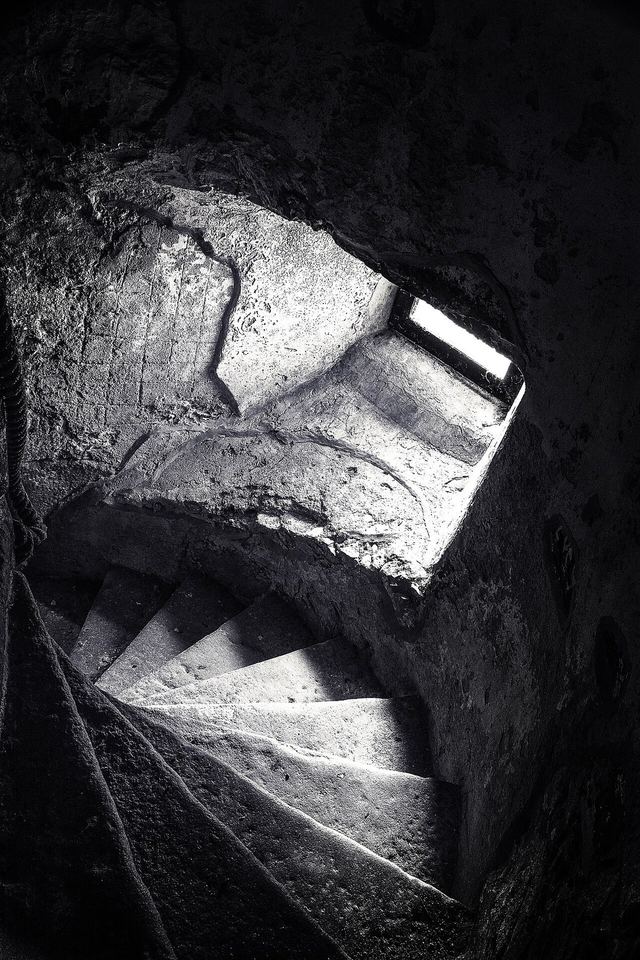
Drumcoltran Tower
A tower house standing quietly in a working Galloway farmyard, exactly the kind of lesser gentry's fortified home this essay is about, still doing no job at all except standing there.
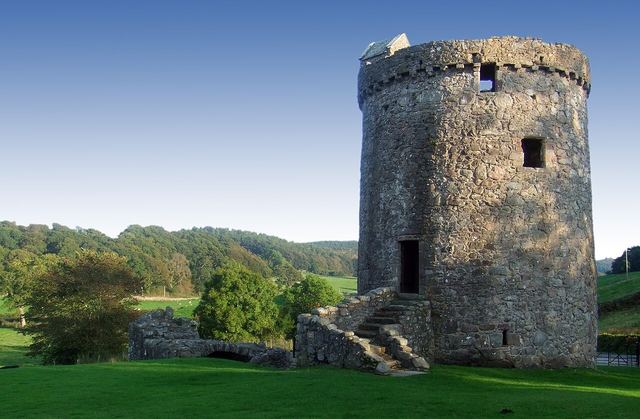
Orchardton Tower
Scotland's only free-standing round tower house, built in the same border-country decades and for the same anxious reasons, but in a shape none of its plainer square neighbours ever copied.
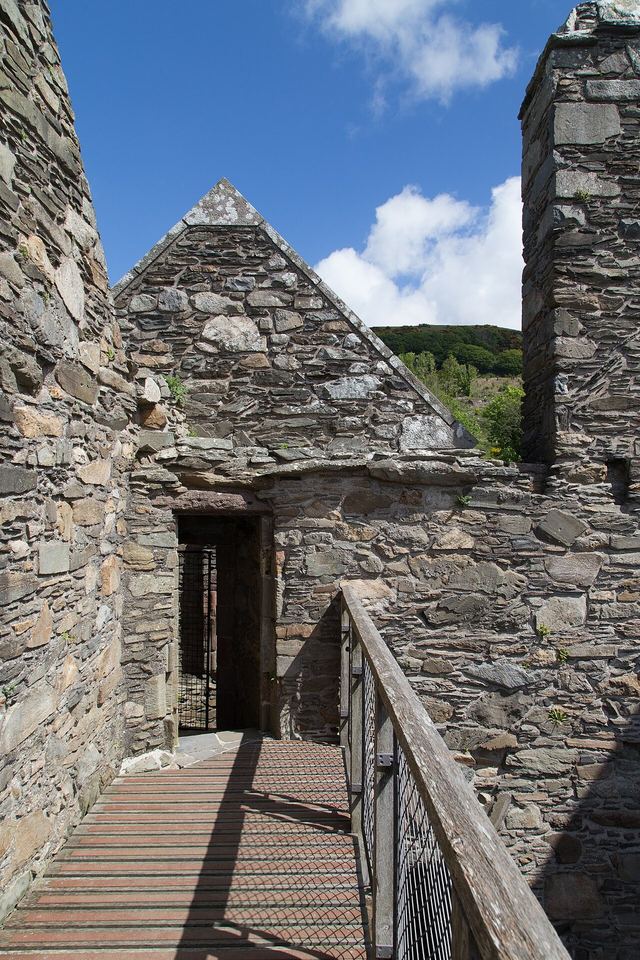
Carsluith Castle
A 16th-century tower house on Wigtown Bay in Dumfries and Galloway, free to visit - the reiving-era border ran along the west coast just as much as the Cheviots.
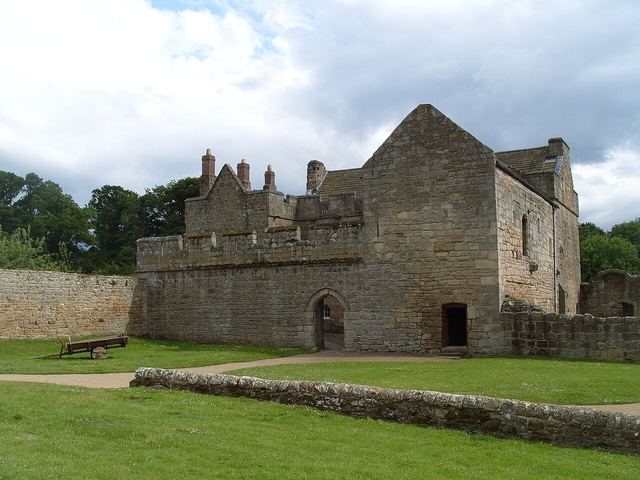
Aydon Castle
An English fortified manor house in Northumberland, older than most peel towers and grander than a plain tower, but built for the same reason: a family with land near the border needed walls, not just a house.