Guide No. 2 · The Castle Rolls
Motte and Bailey Castles
A mound of earth, a wooden tower, a fenced yard beside it. It is the simplest castle design there is - and for a few decades after 1066, it was the machine that turned a Norman invasion into an occupation. This is what one actually is, and where you can still stand on top of it.
A motte and bailey castle is an earth-and-timber fortification built in two parts: the motte, a mound topped with a tower, and the bailey, an enclosed yard beside it holding everything the garrison needed day to day. It was cheap, it was fast, and between 1066 and the 1080s the Normans built several hundred of them across England and Wales - more castles, in two decades, than the country had ever seen. Most people picture a stone fortress when they hear the word "castle." This is where the word actually starts.
The idea
The motte is the mound - sometimes a natural hillock adapted for the purpose, more often piled up from scratch out of the spoil dug from the surrounding ditch. On top sat a wooden tower behind a timber palisade: a lookout, a last redoubt, and often the lord's own quarters. The bailey is the flatter enclosure attached to its foot, ringed by its own bank, ditch and fence, where the actual running of the place happened - stores, stables, a hall, a chapel, workshops. Motte and bailey were usually linked by a bridge or a flight of steps, so the garrison could retreat up to the mound if the bailey itself was overrun.
None of this required skilled masons, quarried stone, or years of work. It required labourers, timber, and somebody with the authority to conscript both. That was precisely the point: this was a design for an army that had just won a battle and now needed to hold an entire hostile country before the winter was out.
Built by the hundred, and built fast
William landed at Pevensey in September 1066 and won at Hastings a fortnight later - but a battle is not a conquest. The Bayeux Tapestry itself shows Norman soldiers digging and raising a castle mound almost as soon as they came ashore, a scene set at Hastings within days of landing. It was advertising a method as much as recording an event.
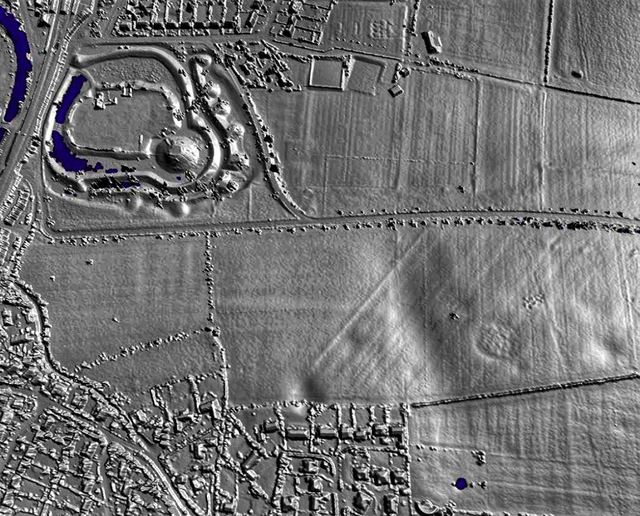
By December, William had fought his way to the edge of London, and it was at Berkhamsted that the surviving English nobility - Edgar the Ætheling among them - formally submitted to him. William had his half-brother, Robert of Mortain, build a castle there within a few years, by about 1070: one of the early ones on English soil, and a fair sample of what followed. Over the next two decades a network of motte and bailey castles went up across England and into Wales - garrison points and administrative centres at once, plugged into the strategic towns and river crossings, each one raised in weeks rather than years so the country could be held while it was still hostile.
From wood to stone - the second life of the motte
A timber tower rots. Within a couple of generations, the motte and bailey castles that mattered - the ones guarding a cathedral city, a royal town, a river crossing worth keeping - started getting their wooden towers replaced in stone. Sometimes that meant a full stone keep built on or beside the old mound; more often, given how much weight a hand-built earth mound can safely bear, it meant a shell keep: a ring of stone wall built around the top of the motte where the timber palisade had stood, enclosing a much lighter set of buildings inside.
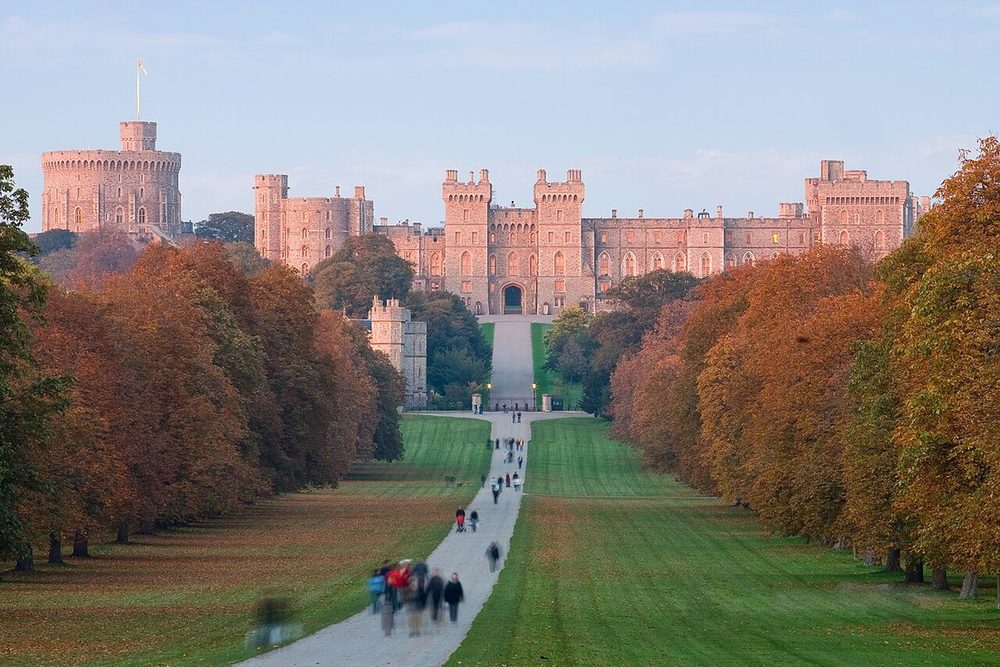
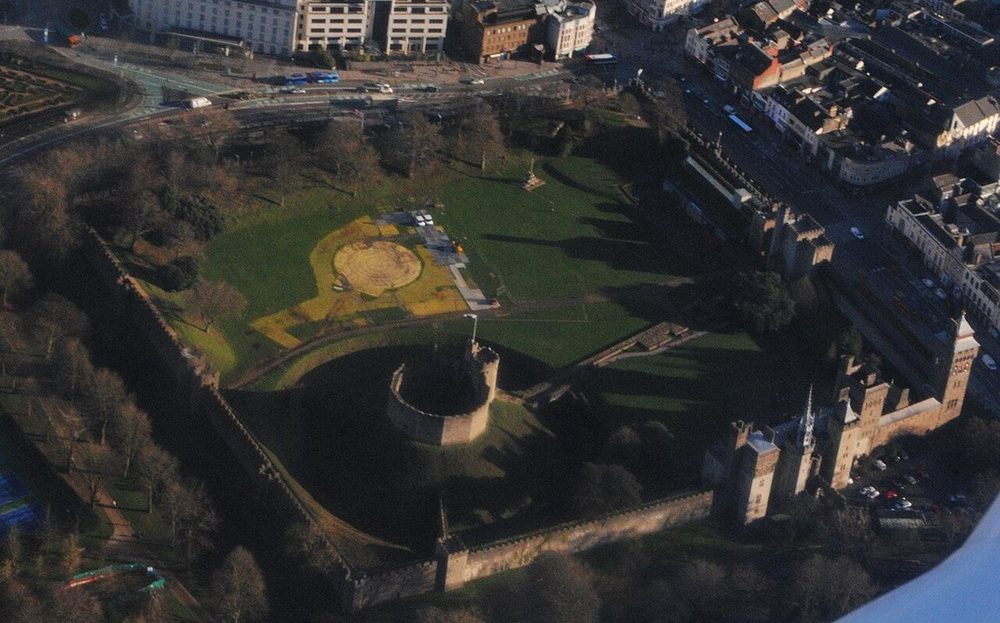
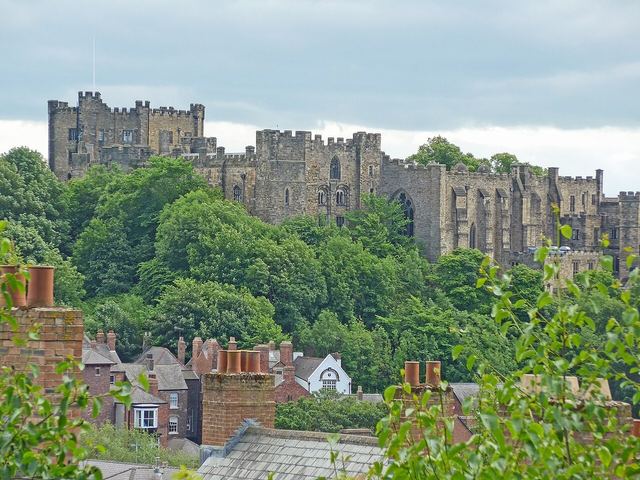
Cardiff has one of the finest shell keeps left in Britain, a twelve-sided stone ring still crowning its Norman motte in the middle of the modern city. Windsor's Round Tower is the same idea at royal scale, rebuilt in stone under Henry II and still, nine centuries later, the administrative heart of a working royal castle. Durham's keep has been rebuilt more than once and today houses university students. Launceston took the idea furthest, with a stone tower built inside an even older shell - a keep within a keep. Not every motte got this treatment. Most didn't: the ones that weren't worth the expense were simply left as earthworks, or abandoned outright when the garrison moved to a purpose-built stone castle nearby.
Lincoln and Lewes: the only two double mottes in England
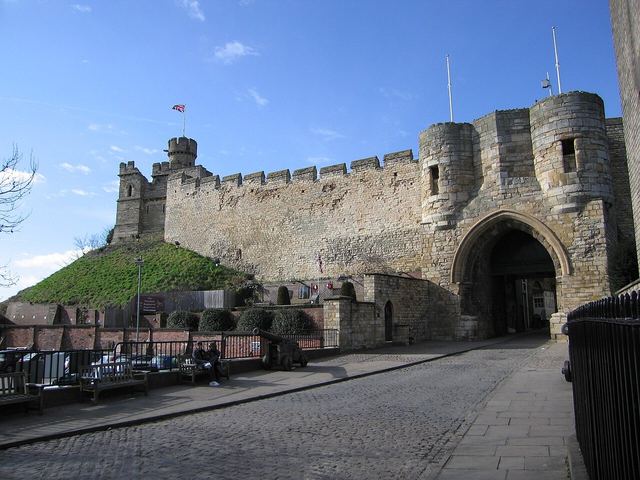
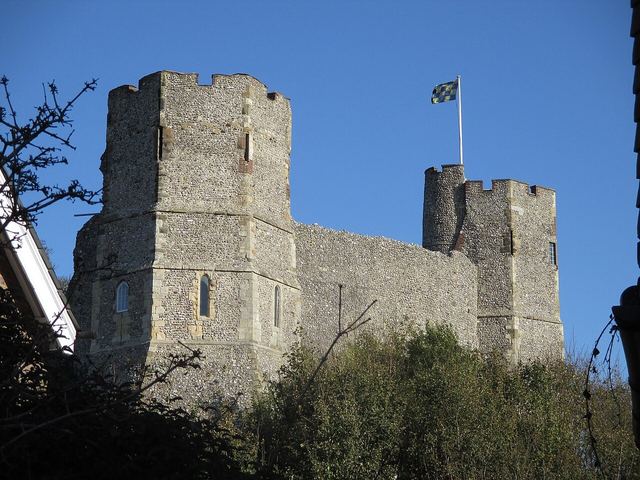
Almost every motte and bailey castle has one motte. Two English castles, unaccountably, have two. At Lincoln, built by William the Conqueror on the site of an old Roman fortress, the Norman-era Lucy Tower crowns one mound while the Observatory Tower - started centuries later and finished off, oddly, by a Victorian prison governor - stands on the other. At Lewes in Sussex, William de Warenne raised two mottes within a few years of the Conquest, an almost unheard-of scale of ambition for the 1070s. No one has ever fully explained why either site needed two; it may simply be that the ambition of the men building them outran the usual formula.
What survives today
What you find on the ground now varies enormously, and it is worth knowing which you are getting before you set out. Some mottes are bare earthworks with nothing built on them at all - Skipsea among them - just a very large, very deliberate mound and the ghost of a ditch, usually free to walk up. Others carry genuine medieval masonry: a shell keep, a stone tower, sometimes a later gatehouse added once the site had become permanent, as at Tamworth and Tonbridge. Either is worth the climb. The bare mounds are, in a way, the more honest experience - nothing between you and the thing William's engineers actually built, at the speed they actually built it.
Quick answers
What is a motte and bailey castle?
A motte and bailey castle is an early medieval fortification built in two parts: the motte, a mound of earth (natural or piled up by hand) topped with a wooden or later stone tower, and the bailey, an enclosed courtyard beside it holding the stables, kitchens and hall. A ditch and palisade ran around both. It was the standard design the Normans used to occupy England after 1066, and hundreds were built within a couple of decades of the Conquest.
What's the difference between a motte and a bailey?
The motte is the mound and its tower - the strongpoint and, usually, the lord's residence. The bailey is the flat enclosed yard attached to it, where the everyday business of the castle happened: stores, stables, a hall, a chapel, workshops. Most visible motte-and-bailey sites today still show both elements as a mound next to a flatter, walled or ditched enclosure.
How long did it take to build a motte and bailey castle?
Fast, by medieval standards - that was the whole point. A modest motte and bailey could be raised by forced local labour in a matter of weeks; the Bayeux Tapestry shows William the Conqueror's men digging and building a castle at Hastings within days of landing in 1066. Larger examples, or ones built on more difficult ground, took a full season's work rather than years.
Can you still see motte and bailey castles in the UK today?
Yes - in two quite different forms. Some survive as bare grassy mounds with no masonry left at all, like the motte at Skipsea. Others had their timber tower rebuilt in stone in the twelfth or thirteenth century and are still substantial buildings today, including Windsor's Round Tower, Cardiff's shell keep, and Durham Castle's keep. Both kinds are on the roll.
What's the difference between a motte and bailey castle and a concentric castle?
About two centuries, mostly. The motte and bailey was the fast, cheap way to hold conquered ground in the 1060s and 1070s - earth and timber, built by the hundred. The concentric castle was the Crown's answer to a much harder problem two hundred years later: how to hold Wales permanently, in stone, against a real siege. See The Concentric Castle for the other end of the story.
Where to stand inside the idea
Ten places on the roll where the motte and bailey survives in some recognisable form, from bare earthwork to fully rebuilt stone keep:
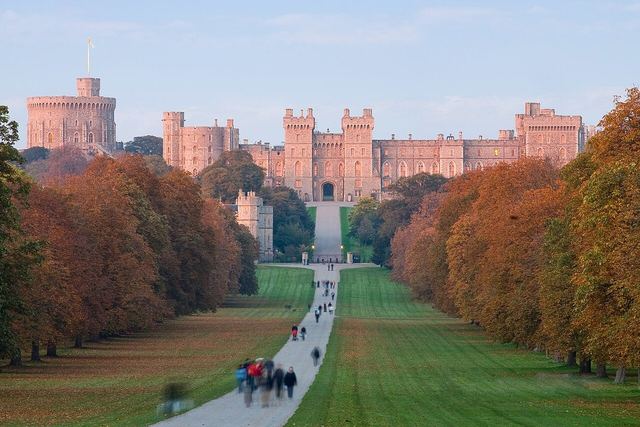
Windsor Castle
The most famous motte in the world. The Round Tower still stands where William the Conqueror raised his original timber keep around 1070 - rebuilt in stone under Henry II and heightened again for George IV.
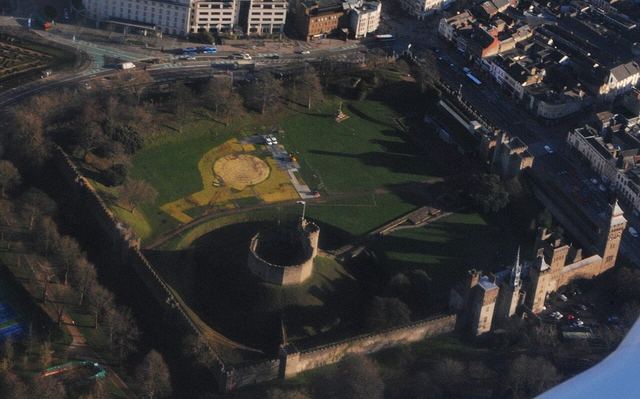
Cardiff Castle
A near-perfect twelve-sided stone shell keep still rings the top of the Norman motte, with the whole castle - Roman walls, motte and Victorian Gothic revival apartments - layered inside one set of walls.
Lincoln Castle
One of only two castles in England with two mottes. The Norman-built Lucy Tower stands on one; the Observatory Tower, on the other, was raised centuries later and finished off by a Victorian prison governor.
Lewes Castle
The other double-motte castle in England, raised by William de Warenne within a few years of the Conquest - an almost unheard-of scale of ambition for 1069.
Durham Castle
A working part of Durham University since 1832, but still, underneath, a Norman motte and bailey - its polygonal keep rebuilt more than once, most recently as Victorian student accommodation.
Berkhamsted Castle
Where the English nobility formally submitted to William the Conqueror in December 1066. He had his half-brother Robert of Mortain build the castle here within a few years, by about 1070 - one of the early ones on English soil.
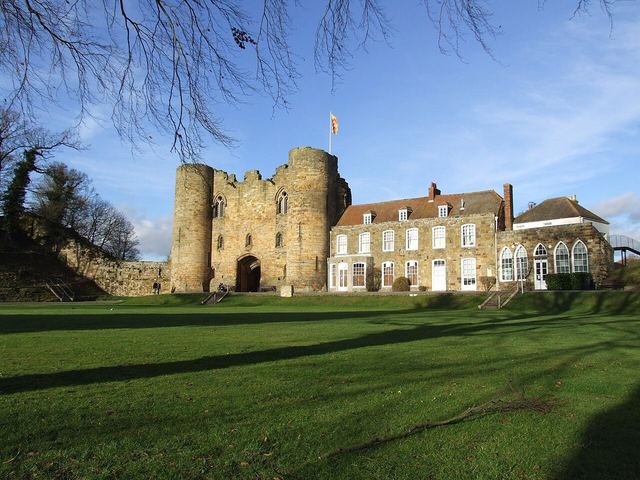
Tonbridge Castle
A grand Norman motte with a genuinely imposing thirteenth-century stone gatehouse still standing at its foot, one of the best-preserved of its kind in the south-east.
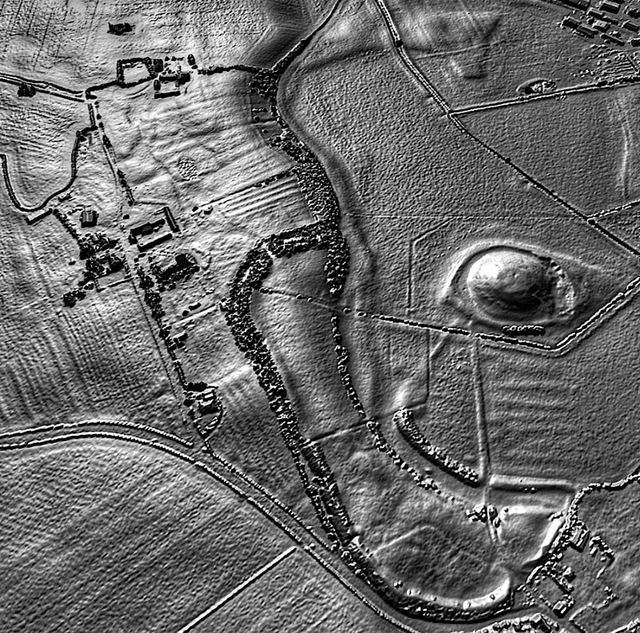
Skipsea Castle
No masonry at all survives - just one of the largest and best-preserved earthwork mottes in England, rising out of the flat East Yorkshire farmland exactly as the Normans left it.
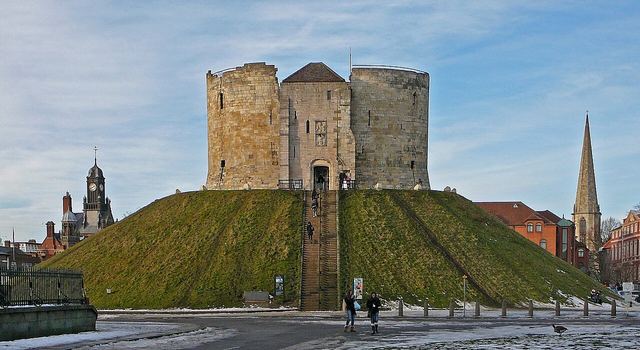
Clifford's Tower, York
A distinctive four-lobed stone keep on a steep motte above the city - rebuilt after the original timber tower burned down in 1190, and again after a gunpowder explosion in 1684.
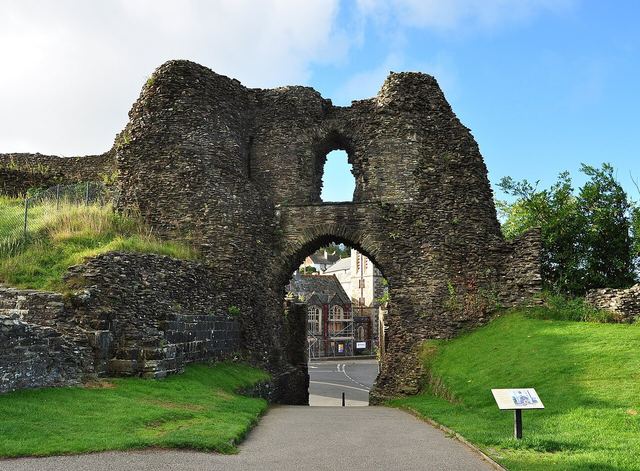
Launceston Castle
An unusual tower-within-a-tower keep, one of the tallest surviving mottes anywhere in the country, with sweeping views over Cornwall from the top.