Guide No. 15 · The Castle Rolls
Castles Turned Into Prisons
Long after the last siege, many British castles found a second career as places to lock people up. It runs from medieval hostages held for ransom to purpose-built Victorian gaols raised inside the old walls - and at least one castle was still a working prison within living memory. This is the story of the castle as a cage.
A castle prison is a castle whose second life was confinement - holding people rather than holding a frontier. Some did it in the Middle Ages, keeping high-value captives for ransom or shutting away political enemies. Far more did it centuries later, when the old fortress at the county town was rebuilt on the inside as a Georgian or Victorian county gaol, complete with cell blocks, a treadwheel and a gallows. A handful were still doing it astonishingly recently: Oxford's prison closed in 1996, Lancaster's not until 2011. This guide traces how the walls built to defend a county ended up imprisoning it.
Why the Middle Ages barely used prisons at all
Start by throwing out the picture in your head. The chained skeleton in the dripping dungeon, the oubliette full of the forgotten - that is very largely a later invention, sold to us by Victorian novelists and the tourist trade. For most of the medieval period, imprisonment was simply not how you punished a crime. Justice was quick and physical: a fine, a whipping, a spell in the pillory, a mutilation, or the noose. Keeping a convicted criminal fed and guarded for years, at the lord's expense, achieving nothing, would have struck a medieval sheriff as pointless.
So what were castle prisons for? Two things, mostly. The first was money and politics at the top of society - a captured noble was a walking ransom, and a troublesome rival was safest under lock and key. This kind of high-status captivity could be comfortable or brutal depending on the prisoner's value and the jailer's mood, but it was never mass imprisonment. The second was holding, not punishing: a suspect might sit in the castle's gatehouse or a cellar for a few days or weeks until the travelling justices arrived to try him. The castle was a holding pen and a strongroom for hostages, not a penitentiary. That idea - prison as the punishment itself - was still centuries away.
The county gaol moves into the castle
The change came late, and it came from reform. Through the 18th century, English county gaols were a national scandal - privately run, filthy, riddled with disease, where prisoners paid the jailer for food and even for their release. The prison reformer John Howard toured them and published The State of the Prisons in 1777, and the shock of it drove a wave of rebuilding: proper, permanent, publicly run county gaols, laid out on rational lines.
And where did the counties build them? Very often, inside the castle. The logic was hard to argue with. The old fortress usually stood right at the heart of the county town, where the assize courts already sat. It was frequently still Crown or county property, so the land cost nothing. And it came already wrapped in exactly the thing a prison needs: high, thick walls built to keep an army out, which kept prisoners in just as well. So the courtroom, the cell block and the scaffold all moved into the shell of the medieval castle together. Oxford rebuilt its castle as a county gaol; Lincoln raised a Georgian prison, then a larger Victorian one, inside its walls; Lancaster turned its ancient keep and courts into one of the busiest hanging jurisdictions in the country. At York, the bailey below the famous keep held the county gaol and debtors' prison where the highwayman Dick Turpin spent his last days before his execution in 1739.
Lincoln and the separate system
The Victorians took the reformed prison one theoretical step further, and Lincoln preserves the eeriest evidence of it. Their idea was the "separate system": the belief that a criminal could be reformed by total isolation - kept alone in a single cell, marched about in a mask or hood, and never permitted to see or speak to another prisoner, so that solitude and religious instruction could do their work uninterrupted. It was meant as kindness. In practice it drove people to breakdown, and it was largely abandoned.
What survives at Lincoln is the chapel built to serve it, and there is nothing else quite like it left in Britain. Instead of pews, the prisoners stood in tall, narrow wooden stalls, each one boxed in on both sides like an upright coffin, angled so that every man could see the chaplain in his pulpit but none could catch sight of the prisoner beside him. It is a room designed to hold a congregation of people who were forbidden to know they were in company at all - the purest architectural expression of the whole grim theory, and it stands intact inside the castle walls today.
The last prisoners, and the second life
What is genuinely startling is how recently some of these castle prisons were still working. This is not distant history. Oxford's prison, rebuilt in Victorian form inside the castle, held inmates until 1996 - within living memory for most adults - before it closed as overcrowded and out of date. Lancaster went on even longer: HM Prison Lancaster did not close its doors until 2011, ending a run of imprisonment on the site that had begun around 1196. For more than eight hundred years, one way or another, that castle locked people up.
When the cells finally emptied, the buildings found their strangest life yet. Oxford's Victorian prison wing reopened in 2006 as the Malmaison hotel, where guests pay to sleep in bedrooms knocked through from three former cells, the barred windows and iron landings deliberately kept. Lincoln's prison and its extraordinary chapel are a visitor attraction. Lancaster opened fully to the public in 2013. Lydford's bleak little tower, the prison of the medieval tin-mining courts whose harshness gave English the phrase "Lydford law" - punish first, try later - stands open on its mound in Devon. The castle as a cage has, in the end, become the castle as a museum of itself.
Quick answers
Were medieval castles used as prisons?
Yes, but rarely in the way people imagine. For most of the Middle Ages, locking someone up for years was not a normal punishment - justice ran to fines, mutilation, the pillory or the gallows, not long sentences. A castle held people for other reasons: high-status captives kept for ransom or as political hostages, and ordinary suspects held only briefly until the next court sat. The gloomy dungeon full of chained wretches owes more to Victorian imagination than to medieval fact.
Which castle was used as a prison for the longest?
Lancaster Castle has a strong claim. It held prisoners from the late 12th century - around 1196 - until HM Prison Lancaster finally closed in 2011, which makes it one of the longest continuously used prisons in Europe. For more than eight centuries the same walls served as gaol and courtroom, including for the trial of the Pendle witches in 1612.
Why were so many county gaols built inside castles?
Because the castle was already the right building in the right place. By the Georgian era most county castles had lost their military purpose but still stood at the county town, often still owned by the Crown or the county, ringed by walls that were built to keep people out and worked just as well keeping them in. When the reform movement of the late 1700s demanded proper, permanent county gaols, the cheapest secure site was frequently the old castle - so the courtroom, the cells and the gallows moved in together.
What was the 'separate system' in Victorian castle prisons?
The separate system was a Victorian theory of reform through total isolation: each prisoner kept alone in their own cell, forbidden from seeing or speaking to any other, on the belief that solitude and religion would produce repentance. Lincoln Castle preserves the most extraordinary surviving relic of it - a prison chapel fitted with tall, coffin-like individual stalls, so that every prisoner could see the chaplain but never another inmate. It is the only complete separate-system chapel of its kind left in the country.
Can you visit - or stay in - a castle that was once a prison?
Yes to both. Lincoln Castle's Victorian prison and its unique chapel are open to visitors, as is the medieval prison tower at Lydford and the notorious bottle dungeon at St Andrews. Oxford Castle goes furthest of all: its Victorian prison wing, which only closed in 1996, reopened in 2006 as the Malmaison hotel, where guests now sleep in rooms knocked through from three former cells.
Where to stand inside the idea
Nine castles on the roll that spent some part of their lives as prisons, from a bottle-shaped pit in the rock to a Victorian gaol you can now book a room in:
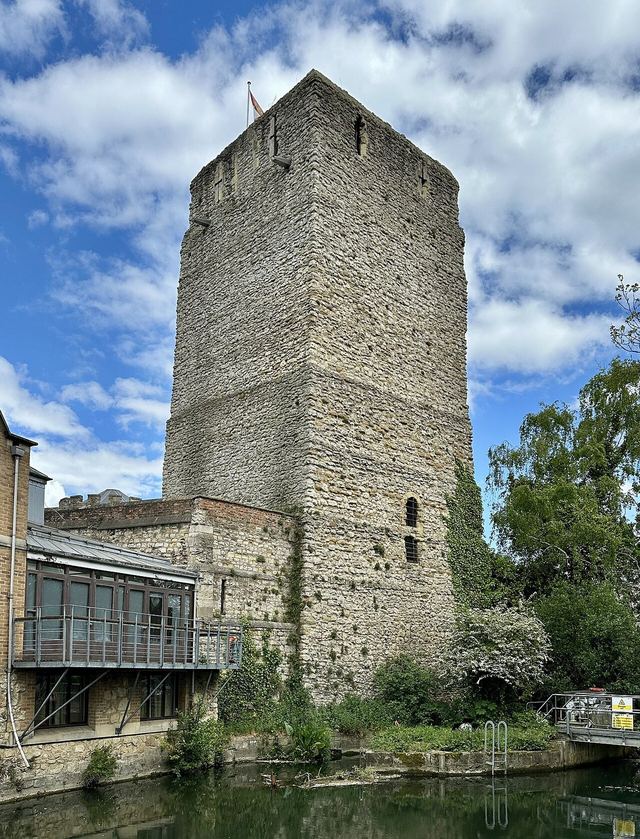
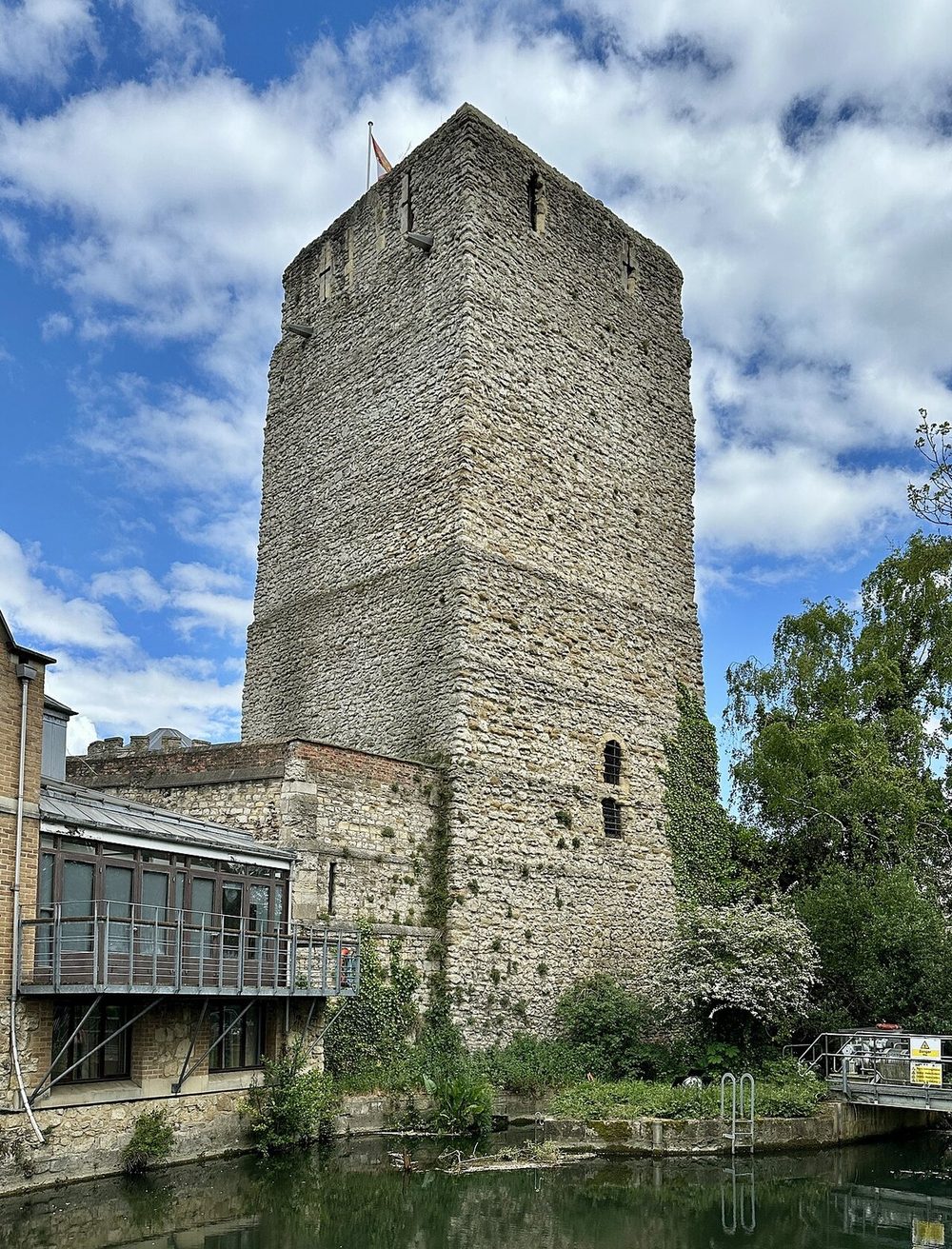
Oxford Castle & Prison
The clearest example of the whole story. A castle that held prisoners for nine centuries, rebuilt as a Victorian county gaol, and used as HM Prison Oxford until 1996 - its cell wing now the Malmaison hotel, where you can sleep behind the bars.
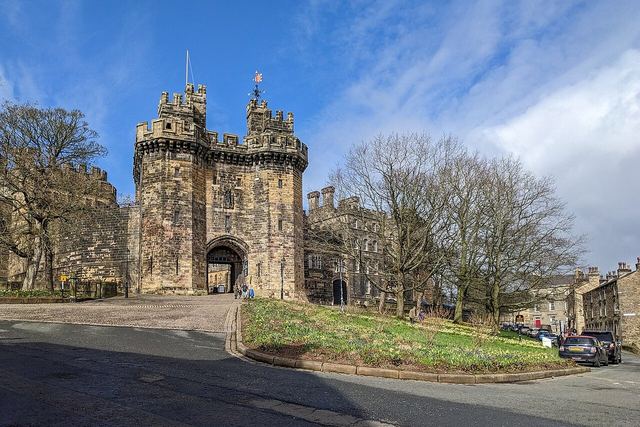
Lancaster Castle
One of the longest-serving prisons in Europe, locking people up from around 1196 until 2011. Its courtrooms tried the Pendle witches in 1612, and for much of the 19th century it handed down death sentences to rival the Old Bailey.
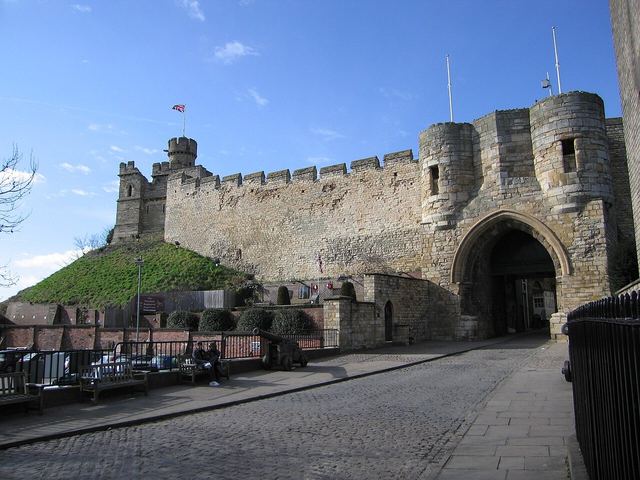
Lincoln Castle
Home to the Georgian and Victorian county gaol, and to the only complete separate-system prison chapel left in Britain - rows of narrow individual stalls built so no prisoner could ever see another. The prison buildings survive intact inside the medieval walls.
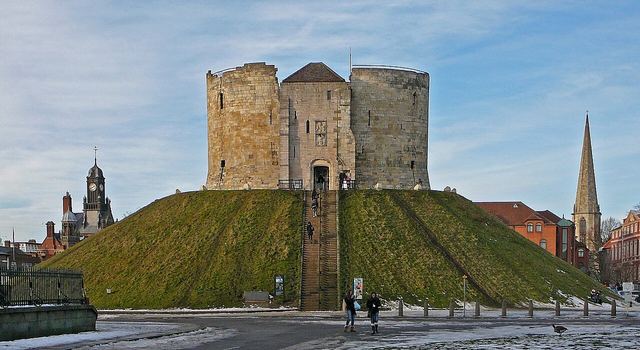
Clifford's Tower, York
The stone keep is all that shows from the road, but the bailey below held York Castle's county gaol and debtors' prison for centuries. The highwayman Dick Turpin was held here before he was hanged at York in 1739; the Georgian prison block is now part of the Castle Museum.
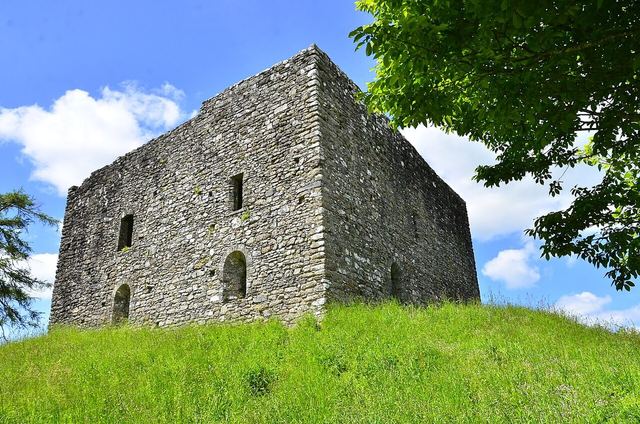
Lydford Castle
A grim little Norman tower that became the prison of the Devon tin miners' Stannary courts, so notorious for punishing first and trying afterwards that 'Lydford law' passed into proverb. One of the earliest purpose-built prison buildings in England still standing.
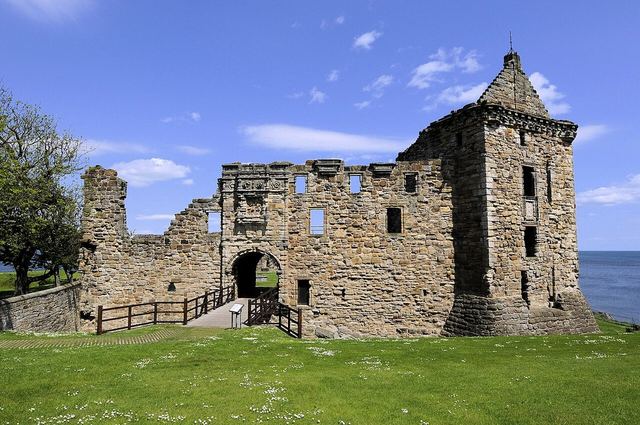
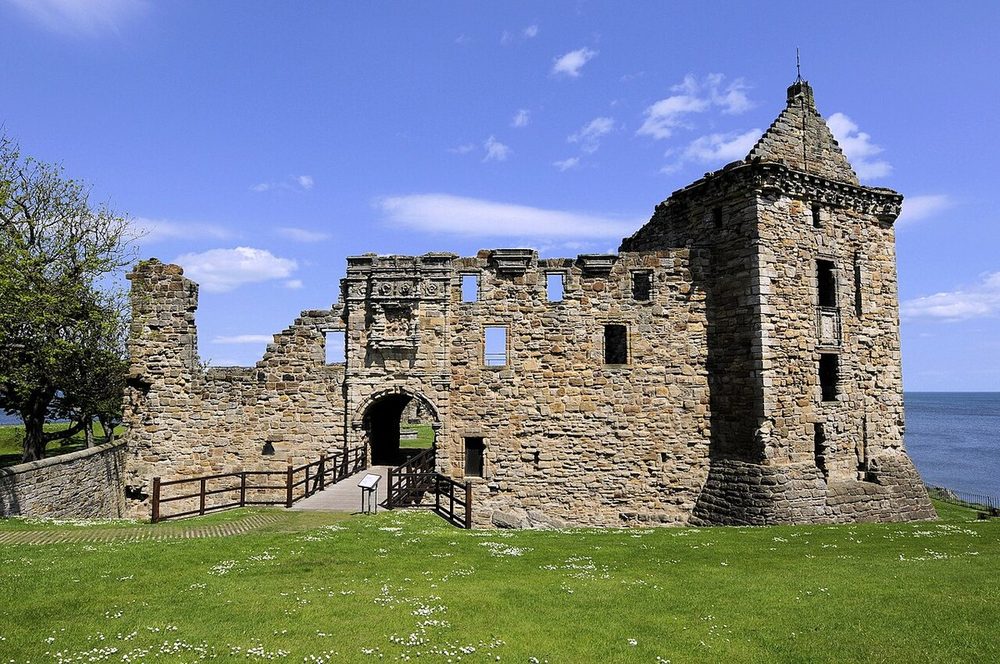
St Andrews Castle
Cut into the rock beneath the castle is the bottle dungeon - a bottle-shaped pit with no way out but the neck at the top, into which prisoners were lowered and left. The murdered Cardinal Beaton's body was kept in it in 1546; Protestant reformers were held in it too.
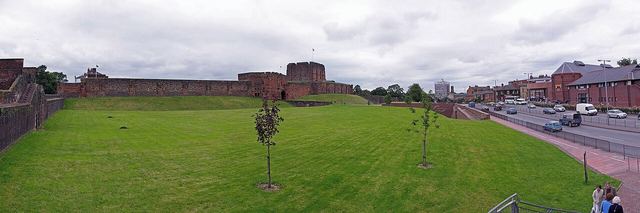
Carlisle Castle
A working border fortress pressed into service as a prison again and again - most infamously after the 1745 Jacobite rising, when hundreds of captured Highlanders were crammed into its cells in conditions that killed many before any trial.
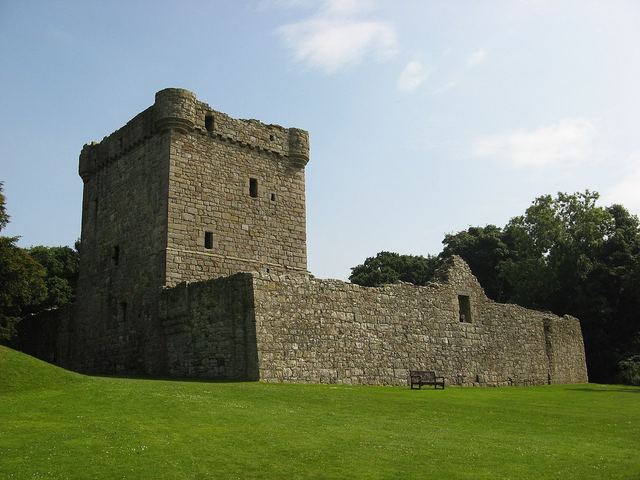
Lochleven Castle
Not every castle prison had bars - some had water. Mary, Queen of Scots was held on this island in the middle of a loch through the winter of 1567 and forced to abdicate here, before a daring escape by boat. The loch itself was the cell wall.
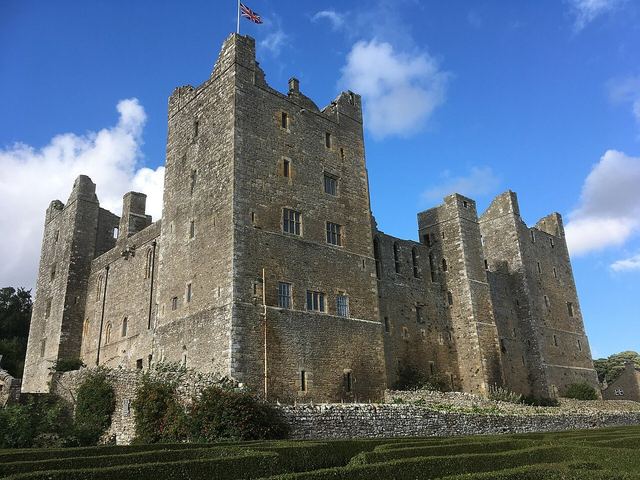
Bolton Castle
Mary, Queen of Scots' first English prison, where she was held in relative comfort for six months in 1568 - a reminder that royal captivity meant a guarded suite of rooms and a household, not a dungeon, even when there was no realistic hope of release.