Guide No. 3 · The Castle Rolls
Henry VIII's Device Forts
No towers. No battlements. Low, thick, and shaped like a clover leaf, these are the strangest-looking castles in the country - and they exist because one king's marriage problems left England with half of Europe as its enemy.
A Device Fort is a coastal artillery fortress built to a royal 'device', or plan, rather than one architect's own design - low, thick-walled, and laid out as a cluster of rounded bastions so gun crews could cover the sea in every direction with no blind spot. Henry VIII ordered around forty of them built along the English coast between 1539 and his death in 1547. They are the moment English fortification stopped being about height and started being about guns, and nothing before them looked anything like this.
Why 1539
Henry VIII broke with Rome in the early 1530s, and by 1538 the Pope had excommunicated him and was actively encouraging Catholic Europe to act against him. For a moment, England's two great rivals, France and the Holy Roman Empire, appeared to be lining up against a common, heretic enemy. Henry responded the way he responded to most things: expensively, and all at once. In 1539 he ordered a survey of the entire English coastline and a crash building programme to fortify every harbour, anchorage and estuary an invasion fleet might use.
The threatened coalition never actually landed. It didn't need to, in a sense - the forts did their job simply by existing, forcing any invasion planner to reckon with a coastline that could now shoot back. What they left behind is a genuinely new kind of castle, built for a threat no medieval mason had ever had to design against: gunpowder artillery, on both sides of the wall.
The idea
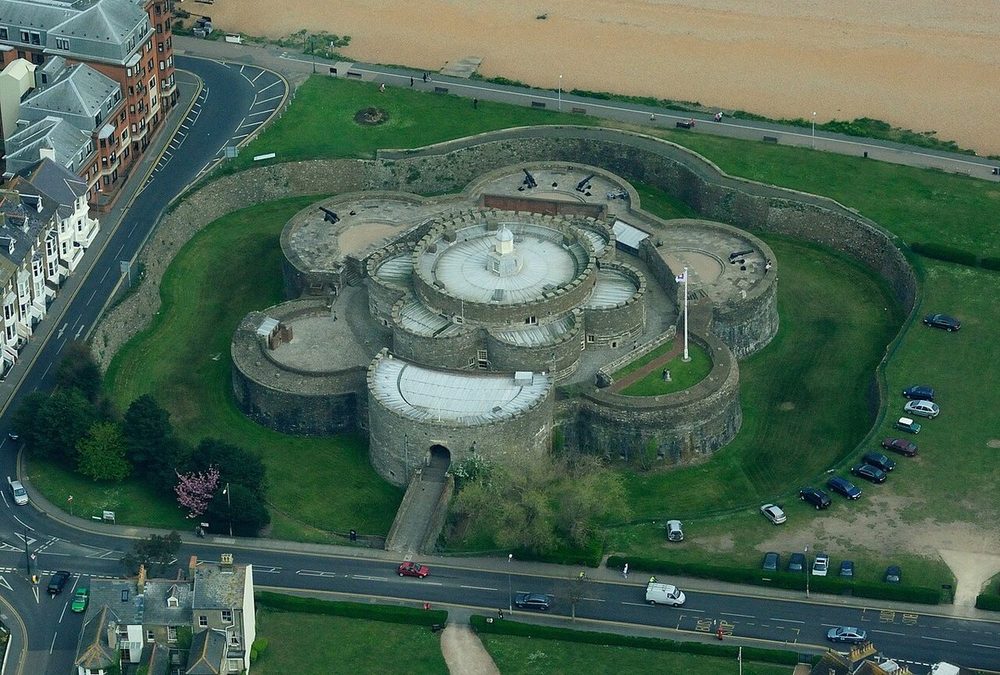
A medieval castle keeps attackers out with height: a wall too tall to easily climb, towers to shoot down from. Against cannon, height is a liability - a tall thin wall is exactly what artillery is good at knocking down. The Device Forts throw the old logic out entirely. They are low and enormously thick, built in rounded, overlapping bastions rather than straight curtain walls, so that a cannonball strikes a glancing, deflecting curve instead of a flat face. Round bastions also removed the dead ground a square tower creates at its own base - from a Device Fort's guns, there was nowhere for an attacker to stand that wasn't covered by fire from somewhere else in the fort.
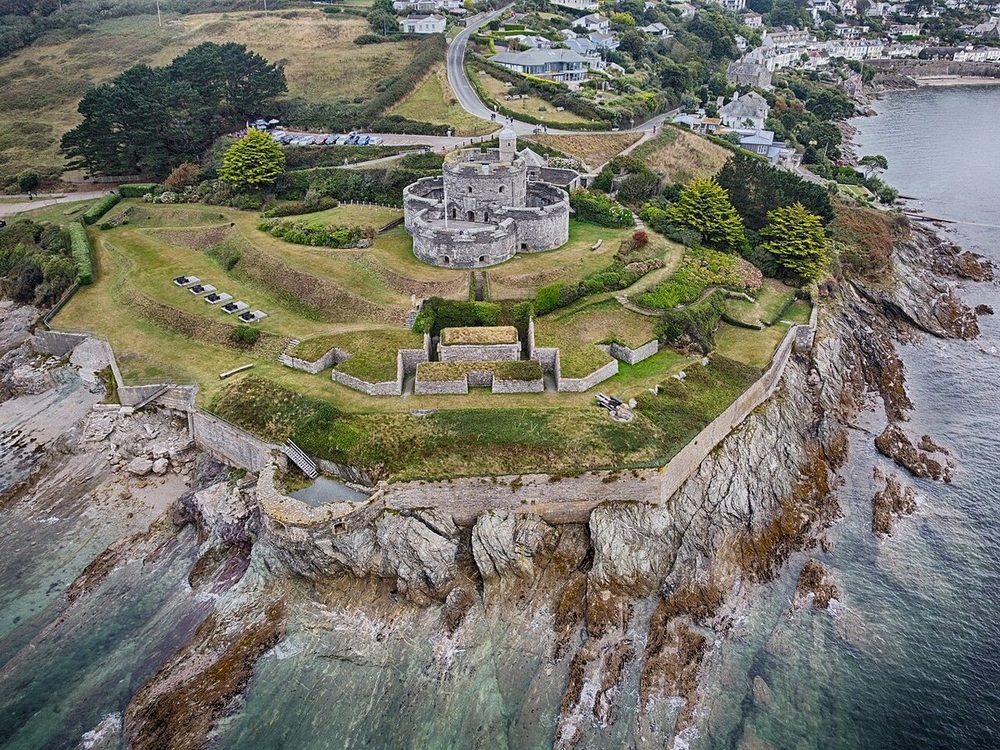
Deal is the fullest expression of the idea: a hexagonal core, six inner bastions, six more outer bastions beyond those, all concentric rings of firepower aimed outward. St Mawes, on the opposite coast, is the same logic in a simpler three-lobed form - and, unusually for a building designed purely to kill people at range, it's carved with decorative Latin inscriptions and Tudor roses. Practicality and propaganda, built side by side into the same walls.
Guarding the harbours in pairs
The forts were rarely built alone. The really valuable anchorages got two, sited on opposite banks so their guns could catch an enemy ship in a crossfire it couldn't sail around. St Mawes and Pendennis cover the Fal estuary in Cornwall between them; Calshot and Hurst do the same job at the western and eastern ends of the Solent, guarding the approach to Southampton and Portsmouth. It's the same strategic thinking as the paired fortress-ports of Edward I's Welsh castles two and a half centuries earlier - control the water, and the land looks after itself.
Second lives
Almost none of these forts ended their careers doing the job they were built for. Walmer became the official residence of the Lord Warden of the Cinque Ports - the Duke of Wellington held the title and died there in 1852, and it's still furnished as the genteel home it became rather than the gun platform it started as. Calshot spent the early twentieth century as an RAF seaplane base, with Schneider Trophy racing planes taking off from the water metres from its Tudor keep. Hurst was wrapped in enormous Victorian armoured wings and rearmed twice more, in both World Wars, so thoroughly that the original fort is now the smallest part of what you see. And Camber simply lost its job to geography: built directly on the shoreline in 1539, it was abandoned within a hundred years because the coast itself silted up and moved half a mile away, leaving a coastal artillery fort guarding a sheep field.
Quick answers
What are Henry VIII's Device Forts?
The Device Forts (also called Henrician castles) are a chain of coastal artillery fortresses Henry VIII ordered built along the south and east coasts of England from 1539, after a break with Rome left the country facing possible invasion from Catholic Europe. By his death in 1547 there were around forty of them. They were built to a royal 'device', or plan, rather than one architect's design - hence the name.
How are Device Forts different from a medieval castle?
A medieval castle is built tall, to keep attackers out with height and a wall an enemy has to climb. A Device Fort is built low and thick, to keep artillery in. The design is rounded, squat bastions in a clover or flower pattern, giving gun crews interlocking fields of fire in every direction with no blind spot and no single wall for an enemy's own cannon to knock flat.
Which is the best-preserved Device Fort?
Deal Castle in Kent is the most elaborate that survives - a hexagonal core ringed by six inner bastions and six outer ones, over 140 gun positions in total. St Mawes Castle in Cornwall is arguably the most beautiful, a near-perfect three-lobed trefoil that has barely been altered since 1545.
Did Henry VIII's Device Forts ever fire a shot in anger?
Almost never against the invasion they were built for - the French raid of 1545 that sank the Mary Rose off Southsea Castle came closest, but the coalition Henry feared never landed. Most of these forts had far longer careers as coastal artillery well into the twentieth century than they ever had as Tudor defences; several were still garrisoned or adapted for use in both World Wars.
Where to stand inside the idea
Nine of Henry VIII's coastal forts survive well enough to visit, from the flower-plan grandeur of Deal to the RAF seaplane slipway at Calshot:
Deal Castle
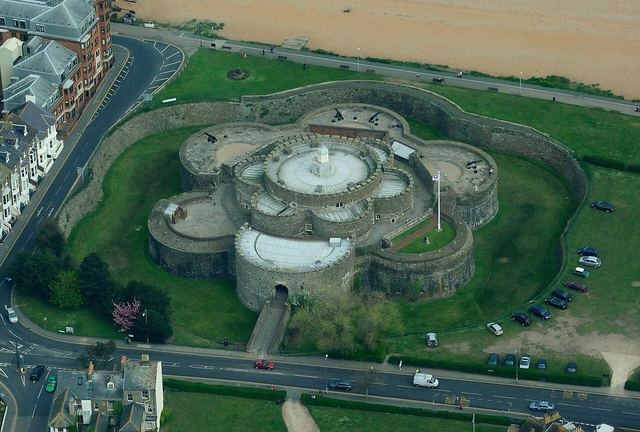
The most elaborate Device Fort ever built - a hexagonal keep ringed by two tiers of rounded bastions, over 140 gun positions, and the clearest single place to see the whole idea at once.
St Mawes Castle
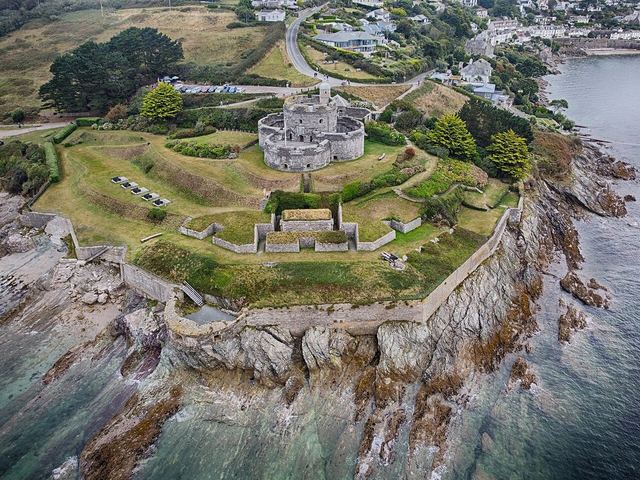
A near-perfect three-lobed trefoil in Cornish stone, barely altered since 1545 and, for many, the most beautiful of all the forts - decorative carved detail that Deal, its practical sister fort across the country, doesn't bother with.
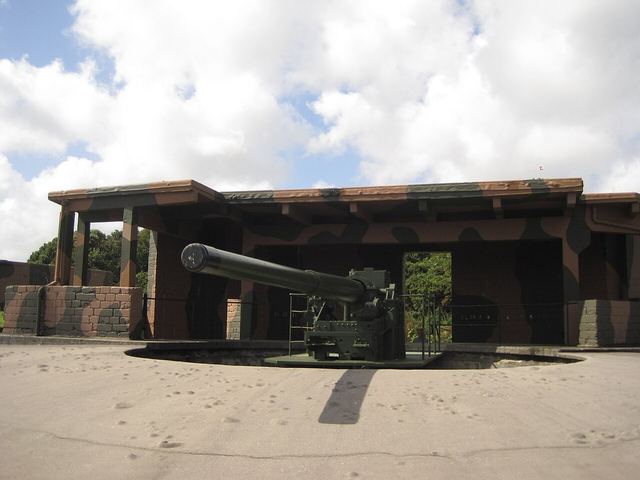
Pendennis Castle
St Mawes's opposite number, guarding the other bank of the Fal estuary - the two forts were designed to catch any ship trying to slip between them in interlocking crossfire.
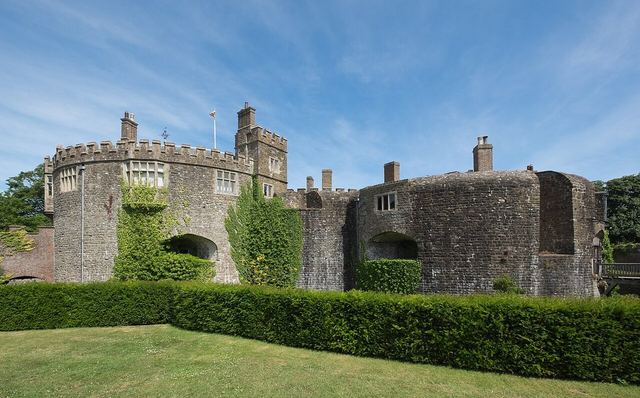
Walmer Castle and Gardens
Started as a stark quatrefoil gun fort, Walmer had the least warlike second act of any of them - it became the official residence of the Lord Warden of the Cinque Ports, and the Duke of Wellington died here in 1852.
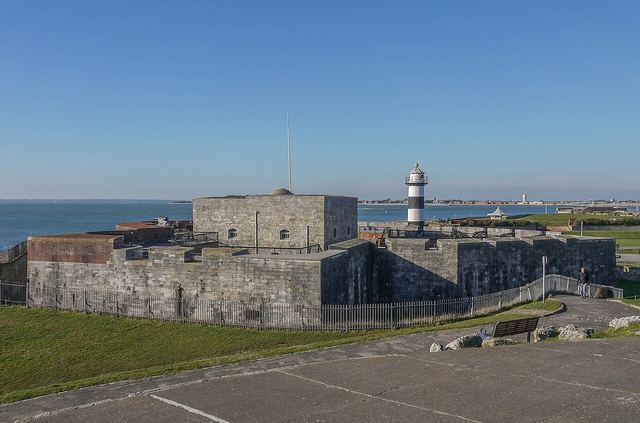
Southsea Castle
Built in six frantic months in 1544 to guard Portsmouth. Henry VIII stood on its walls on 19 July 1545 and watched his flagship, the Mary Rose, sink in the Solent below.
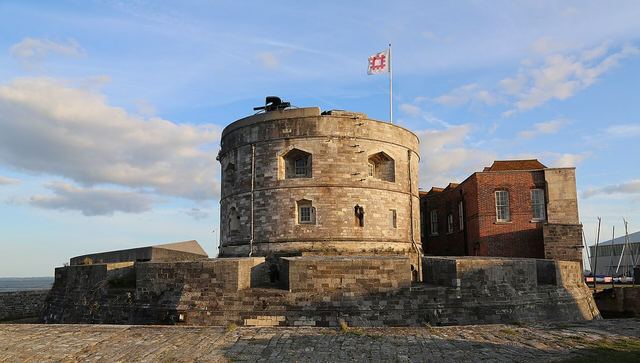
Calshot Castle
A round keep on a spit guarding Southampton Water, later swallowed inside an RAF seaplane base - the Schneider Trophy air races were flown from the water right beside it in the 1920s and '30s.
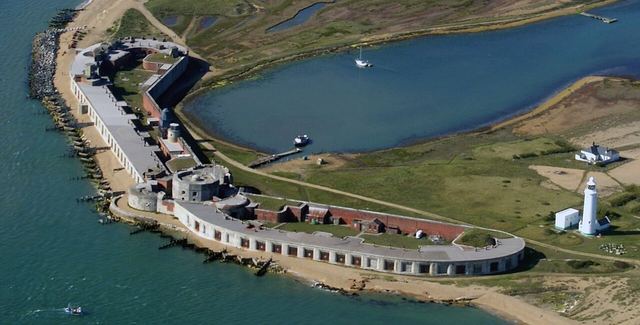
Hurst Castle
The Tudor core survives, but you'd be forgiven for missing it: Victorian engineers wrapped it in two vast armoured wings, and the whole site was rearmed again in both World Wars.
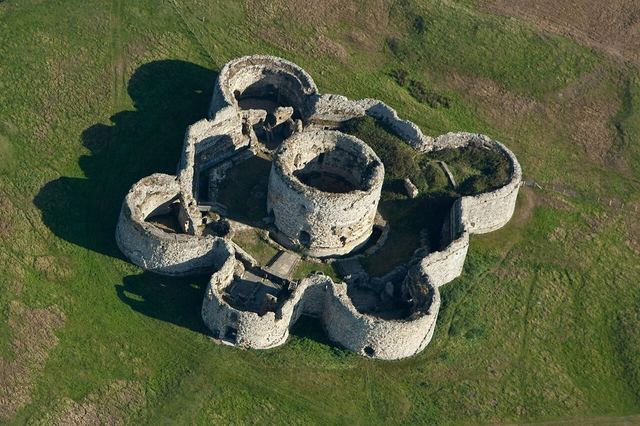
Camber Castle
Built right on the shoreline in 1539 - and then abandoned within a century, because the coast itself silted up and left the fort stranded half a mile inland, guarding nothing at all.
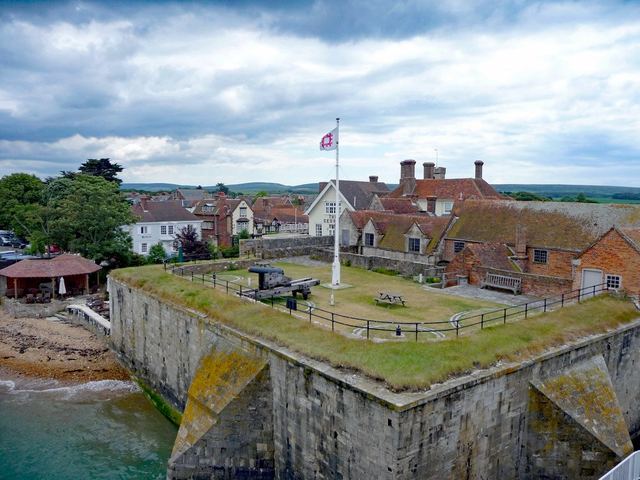
Yarmouth Castle
One of the last Device Forts, finished in 1547, and quietly ahead of its time: its single arrowhead-shaped bastion is an early angle bastion, the design that would replace the rounded Henrician style within a generation.