The Castle Rolls
The 25 best castles to visit in the UK.
Every visitable castle in the United Kingdom - all 441 of them - ranked by one thing only: what 1.36 million Google reviews say. The method is at the bottom of the page.
By the collective verdict of 1,358,848 Google reviews, the best castle to visit in the UK is Hever Castle in Kent. Not the biggest, not the most famous - the one that visitors themselves, in the largest numbers, rate most highly once every castle is judged by the same yardstick. This page is the full national top 25, drawn from the whole roll of 441 visitable castles across all four nations.
Most "best castles" lists are one writer's favourites. This one is different in a specific way: nobody chose it. Each castle's Google rating is weighted by how many reviews stand behind it, then the whole roll is sorted. The ranking rewards places that hold a high rating across thousands of visitors, and it quietly demotes famous names whose crowds come away slightly cooler - which is why some celebrated giants sit lower than you might expect, and a moated Tudor manor-castle in Kent tops the national list.
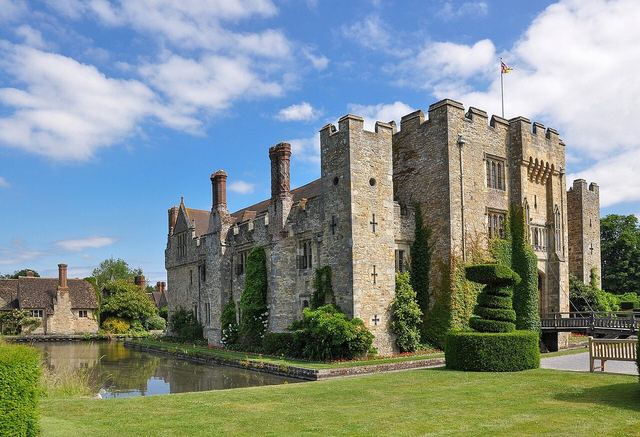 No. 1
No. 1
Hever Castle
The childhood home of Anne Boleyn, restored at the turn of the 20th century by the Astor family, who added the lakeside gardens and the Tudor-style Astor Wing that now runs as a B&B. It's less a single visit than a full day out - moated castle, extensive gardens, mazes, and play areas - and reviewers who've stayed overnight rate the B&B breakfast as highly as the castle tour itself.
Worth knowing: Book the Astor Wing B&B directly with the estate if you want to stay on-site, and set aside a full day - the grounds alone (mazes, play areas, water gardens) can easily take as long as the castle.
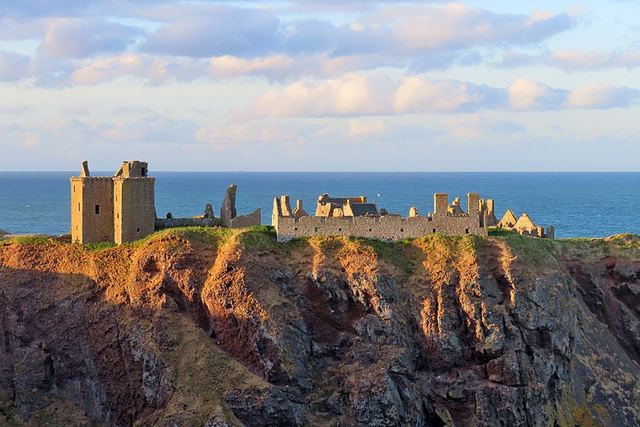 No. 2
No. 2
Dunnottar Castle
Dunnottar is a ruined fortress on a rock promontory above the North Sea, reached by a steep path down and back up from the clifftop car park. It's the highest-rated site in this batch, and reviewers are near-unanimous that the setting alone justifies the walk, even before the ruins themselves come into it.
Worth knowing: The walk back up from the ruin is steep, so pace yourself, and check the last-admission time before you go, as it catches people out. Entry runs around £13, which some reviewers find steep for a ruin, though most say the setting alone earns it.
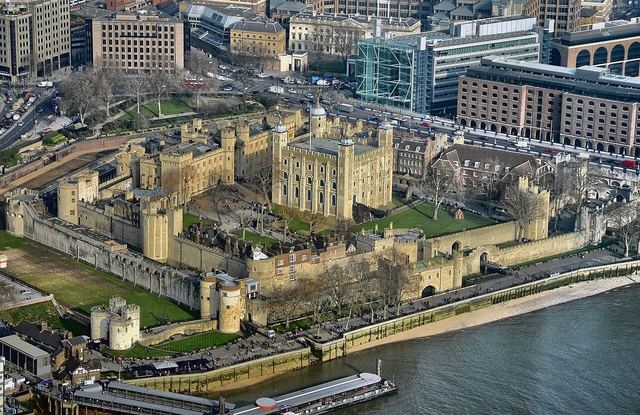 No. 3
No. 3
Tower of London
Founded by William the Conqueror after 1066, the Tower has served as royal palace, prison, treasury and execution site across nearly a thousand years - and it's the Crown Jewels and the Yeoman Warders' guided tours that reviewers consistently rate as the highlights of an enormous site. This is one of the most visited paid attractions in Britain, so it draws serious crowds.
Worth knowing: Book tickets online in advance; reviewers say the queues without pre-booked tickets can be long, and it's easy to lose half a day here, so arrive early if you want to see everything without rushing.
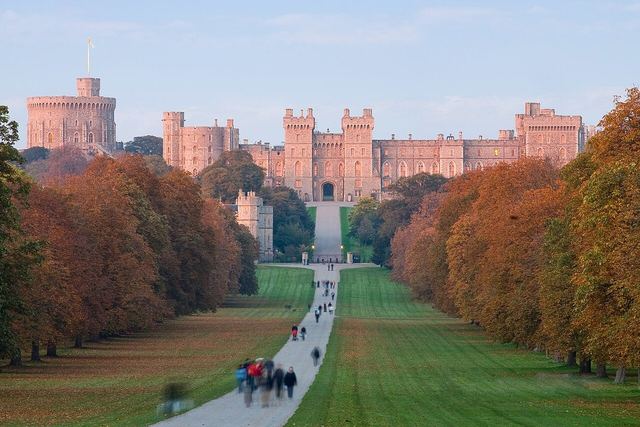 No. 4
No. 4
Windsor Castle
The world's oldest and largest continuously occupied castle, and still a working royal residence - when the King is in, the Royal Standard flies over the Round Tower. Inside, the State Apartments are the draw: room after room of art, armour and gilt that reviewers consistently call a trip highlight, with the changing of the Guard adding some pageantry outside.
Worth knowing: Budget more than an hour if you're paying full entry - reviewers who rushed through on a tight schedule felt it wasn't worth the ticket price, and photography isn't allowed inside.
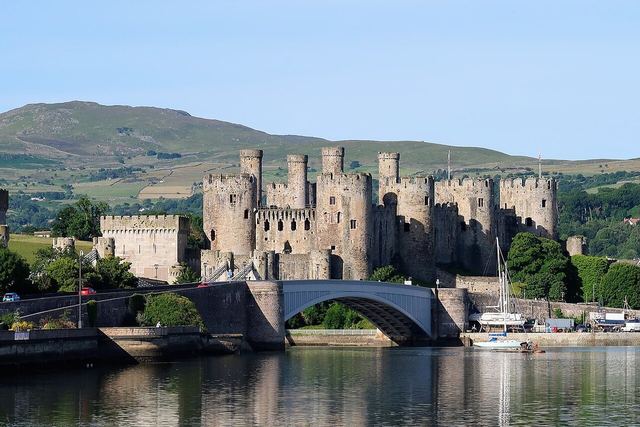 No. 5
No. 5
Conwy Castle
One of Edward I's ring of Welsh castles, built between 1283 and 1287 during his campaign to conquer Wales, with all eight towers and a near-complete circuit of town walls still standing as a UNESCO World Heritage Site.
Worth knowing: Tickets are inexpensive for what's included, and the walkable town walls are part of the same World Heritage listing, so budget time beyond just the castle interior.
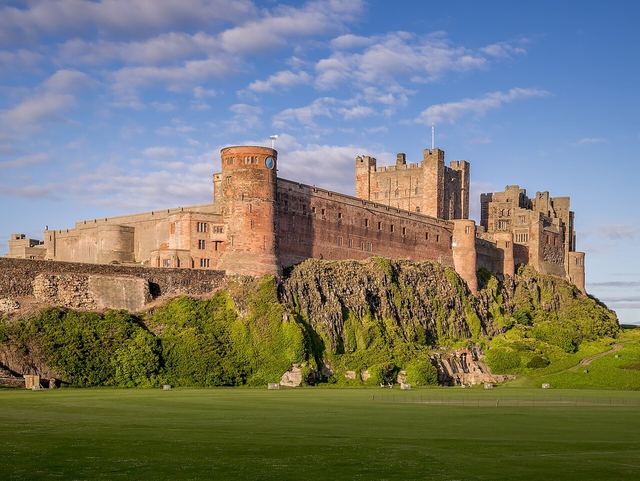 No. 6
No. 6
Bamburgh Castle
A castle on a volcanic outcrop above one of England's best beaches, held by the Armstrong family since the Victorian industrialist William Armstrong bought and restored it in the 1890s. About 15 rooms are open to visitors, and a few reviewers note that some corners - a windmill used for storage, in particular - could do with more attention.
Worth knowing: Hilltop parking by the castle costs around £6; there are cheaper options in the town below if you don't mind the walk. A disabled-access service is available for the steeper sections, which reviewers say the staff handle well.
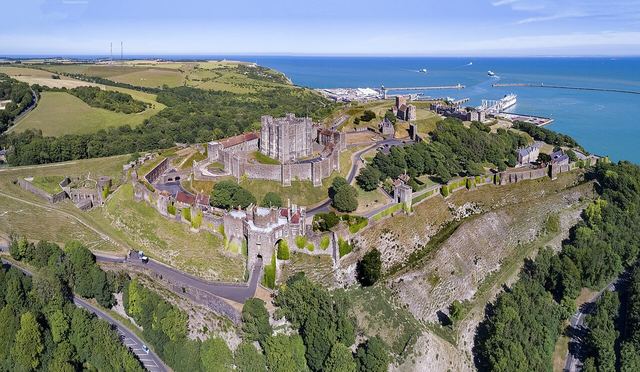 No. 7
No. 7
Dover Castle
England's largest castle, refortified in nearly every century since the Normans, run by English Heritage as three sites in one: the medieval keep, the Roman lighthouse still standing in the grounds, and the wartime tunnels cut into the chalk cliff that ran the naval evacuation of Dunkirk. Reviewers consistently rate the tunnels above the castle itself.
Worth knowing: Budget a full day, not an afternoon - reviewers repeatedly say there's more here than fits into a few hours, and it's an exposed clifftop site, so check the forecast.
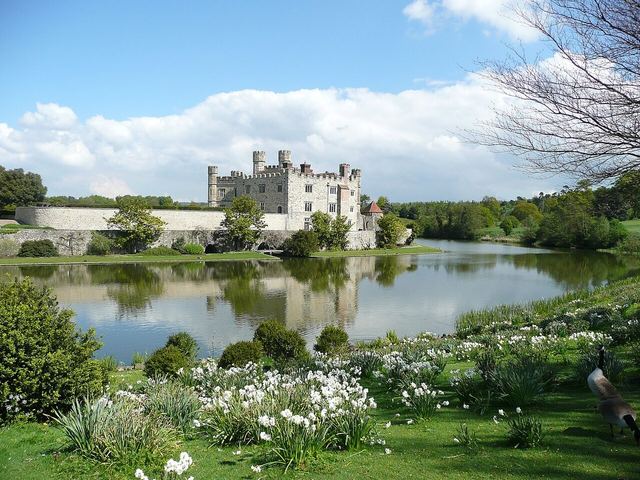 No. 8
No. 8
Leeds Castle
Leeds Castle sits on two islands in a lake in the Kent countryside - a moated stronghold with roots in the 9th century, later remodelled as a retreat for Henry VIII, run today by a charitable foundation as much as a family attraction as a historic site. Beyond the castle there's a maze, a grotto, falconry displays, and a small train and ferry around the grounds, which is why reviewers with local memberships treat it as a repeat destination rather than a one-off visit.
Worth knowing: Book tickets online in advance for a better price; some reviewers report the site now sells annual passes rather than standalone day tickets, so it's worth checking current ticket options before travelling if you're coming from a distance.
 No. 9
No. 9
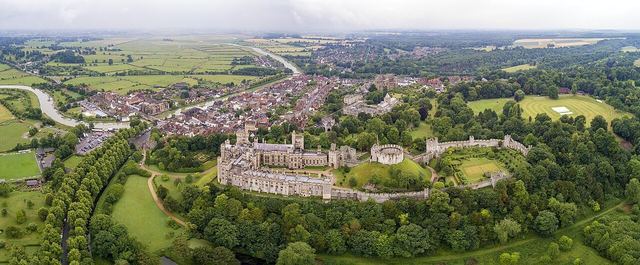
Arundel Castle
The Duke of Norfolk's family seat has stood on this site since the 11th century, though most of what's visible today is Victorian rebuilding over the medieval core. It opens seasonally, and reviewers keep underestimating it - the exterior alone looks large, but the interior rooms and walled gardens take up most of a day.
Worth knowing: Book tickets ahead - they can sell out - and expect steep, narrow stairs to the upper floors. Parking gets mixed reviews, so allow extra time to find a space during busy events.
 No. 10
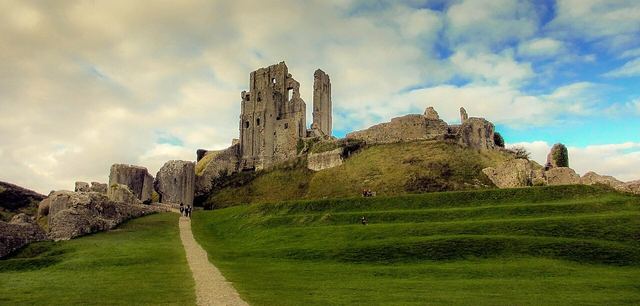
Corfe Castle
One of England's most recognisable ruins - a royal castle on a steep hill above the village that shares its name, deliberately blown apart by Parliamentarian forces in 1646 after a Civil War siege rather than left to decay naturally. The result is a shattered, dramatic skyline that National Trust keeps fully staffed and open.
Worth knowing: The climb up is steep and uneven underfoot, so proper shoes help; the village below is worth combining with the castle visit rather than rushing straight back to the car.
 No. 11
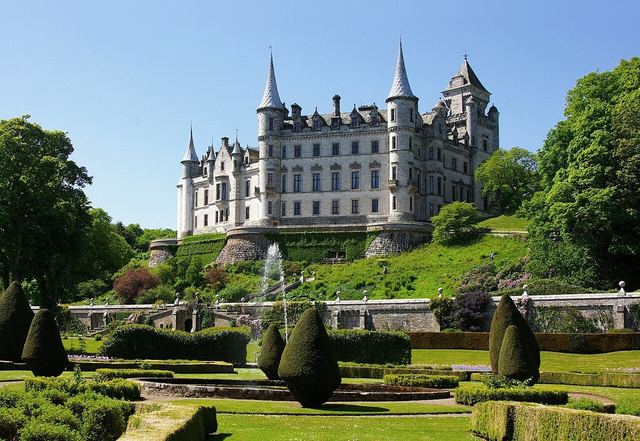
Dunrobin Castle
The Sutherland family seat on the Highland coast, and one of the largest inhabited houses in the north of Scotland - a visit that takes in furnished rooms, formal gardens and a falconry display featuring hawks and falcons. Reviewers consistently rate it among the best-kept and most complete castle interiors in Scotland.
Worth knowing: Allow a good two hours to do the castle, gardens and falconry display justice - it's a bigger visit than the castle-only sites nearby, and it's open Apr-Oct only.
 No. 12
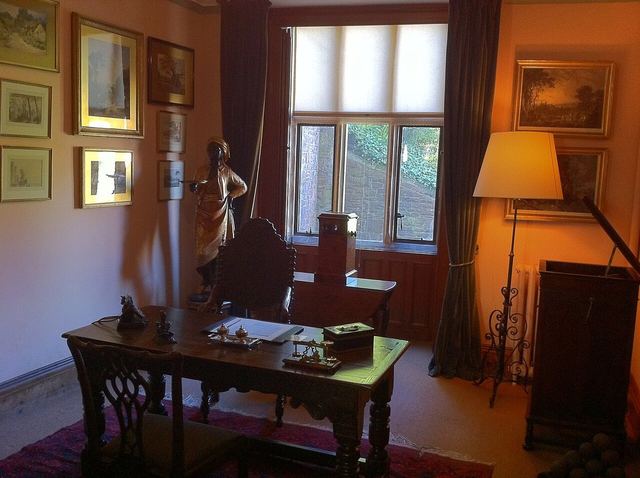
Dunster Castle
Home to the Luttrell family for around 600 years before passing to the National Trust, remodelled in the 19th century by the architect Anthony Salvin into more of a country house than a defensive castle. It sits above Dunster village with views out to the Somerset coast, and there's a shuttle bus up from the car park for anyone who can't manage the uphill walk.
Worth knowing: Don't trust your satnav to take you to the public car park - at least one reviewer was routed straight into the village instead; the on-site cafe can run low on stock by early afternoon on busy days, so eat earlier or have a backup plan in the village.
 No. 13
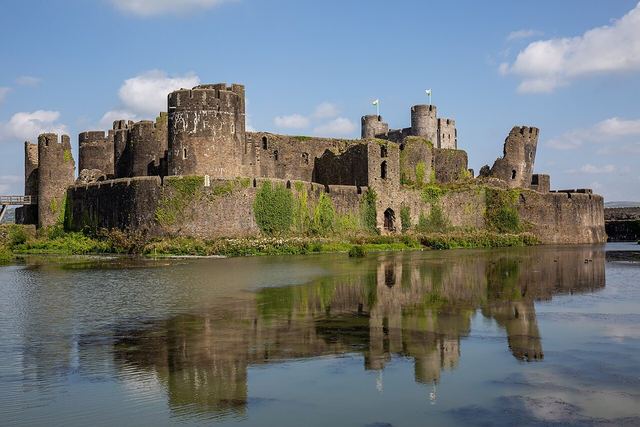
Caerphilly Castle
Britain's second-largest castle after Windsor, its concentric water defences and famously leaning south-east tower still dominating the town centre. The moat is now shared with resident swans and geese.
Worth knowing: There's a paid car park opposite the castle that fills up quickly, and the self-guided route is wheelchair and pushchair accessible.
 No. 14
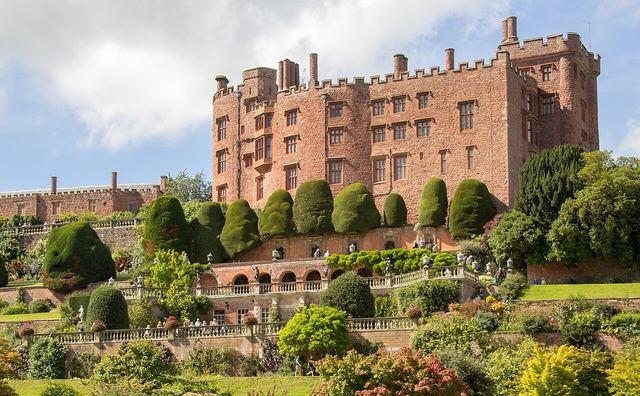
Powis Castle
A medieval border fortress absorbed and softened over centuries into a grand family residence, best known now for its dramatic Italianate terraced gardens cut into the hillside below the castle. Both castle and gardens draw large weekend crowds, so reviewers recommend timing a visit for quieter hours if you can.
Worth knowing: At around £37 for two adults it's pricier than most sites in this list, and terraces occasionally close early for private events like weddings, so a weekday visit is worth considering if crowds or closures are a concern.
 No. 15
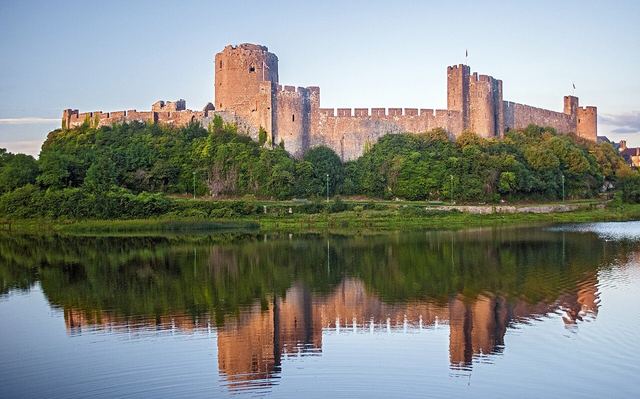
Pembroke Castle
The birthplace of Henry VII, and one of the largest castles in Wales - the round keep, ramparts and a natural cave beneath the castle, said by visitors to show signs of use since the Palaeolithic, are all open to explore rather than viewed from behind a rope. Reviewers regularly spend four hours here and say that's not enough.
Worth knowing: Pay-and-display parking is a five-minute walk from the entrance, and QR codes around the site carry extra history as you go; budget a half-day rather than a quick stop.
 No. 16
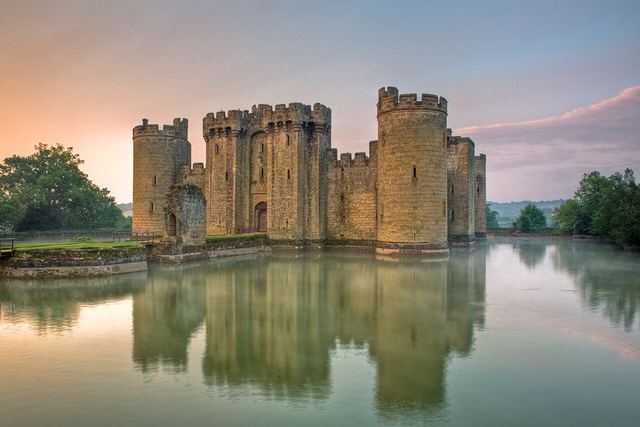
Bodiam Castle
A moated 14th-century castle whose exterior survives essentially complete, even though the interior behind the walls is largely open to the sky. It's the castle most people picture when they think of the word - turrets, drawbridge site, a moat full of fish - and National Trust runs it as a fully staffed, family-friendly site.
Worth knowing: The car park fills quickly and it's an eight-minute walk from there to the castle across the moat bridge, so arrive early if you can; the tower stairs are steep and narrow, so reviewers flag it's not ideal for toddlers or bad knees.
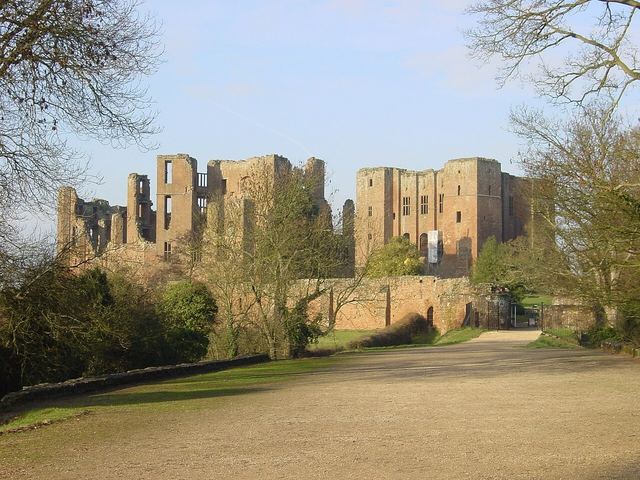 No. 17
Kenilworth Castle and Elizabethan Garden
The largest castle ruins in England, built up over four centuries and slighted after the Civil War, now run by English Heritage with an Elizabethan garden recreated alongside. Reviewers who've also done Warwick Castle down the road tend to find Kenilworth the more atmospheric of the two - quieter, and closer to an actual ruin.
Worth knowing: Arrive before opening and book tickets online - it gets busy. The car park sits across the ruins from the entrance on gravel and grass with rubber matting laid over some of it, so factor that walk in if mobility is a concern.
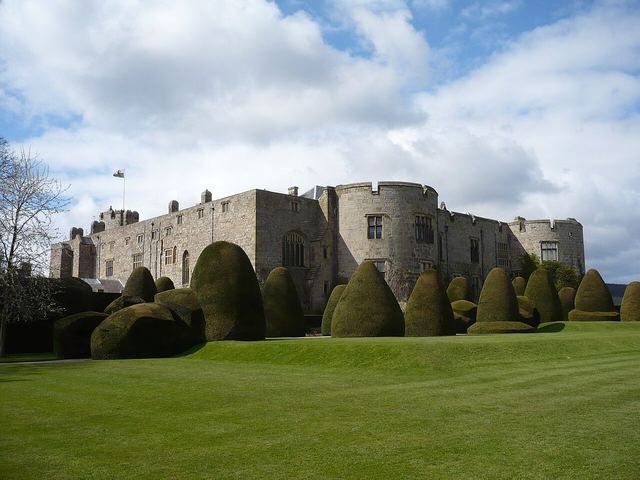 No. 18
Chirk Castle
One of Edward I's marcher fortresses, and unlike most of his Welsh castles, this one has been continuously lived in for around 700 years rather than left to decay - the result is a working castle exterior wrapped around interiors furnished across every era since, from tapestries and armour to a library reviewers rate as a must-see. National Trust now looks after it, with gardens and walks around the grounds.
Worth knowing: State rooms don't open until noon, so time a visit accordingly if the interior is the priority; there are two cafes (one in the car park, one in the castle) and plenty of parking.
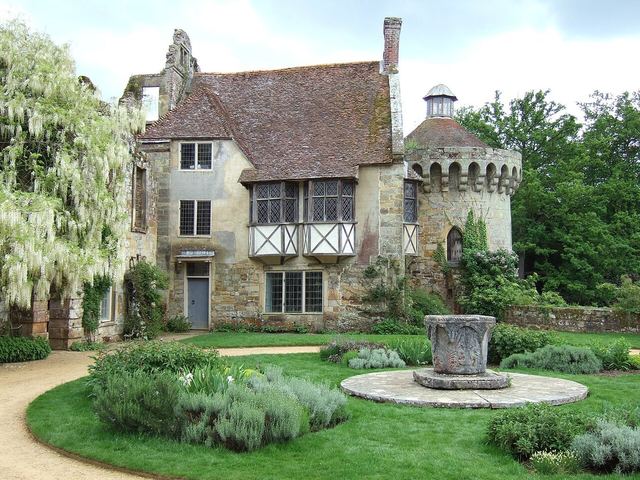 No. 19
Scotney Castle
A moated medieval ruin deliberately kept standing as a picturesque folly below a Victorian mansion, whose 19th-century owner quarried the new house's stone from the old castle's own hillside and then left the ruin in place purely for the view of it. The gardens - rhododendrons, azaleas, roses depending on the season - are as much the draw as either building.
Worth knowing: You'll need a car to reach it and parking fills up early on good days; tours of the castle ruin itself run on selected days only, so check ahead if that's the priority rather than the gardens.
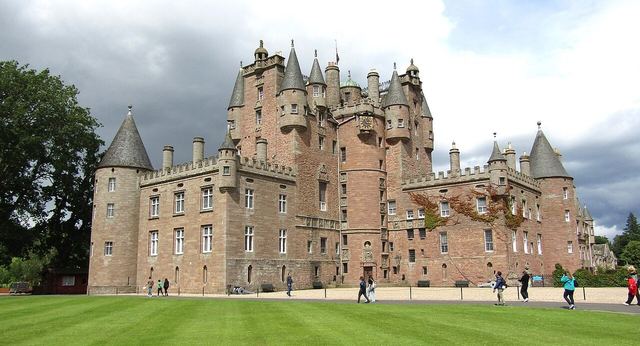 No. 20
Glamis Castle
The childhood home of the Queen Mother and legendary, if historically dubious, setting for Shakespeare's Macbeth, still lived in by the Strathmore family and run as a seasonal visitor attraction from late March to October, plus Christmas events. The interiors reviewers describe as looking much as they did in the early 1900s, and the guided tour takes in both the castle and its Italian garden.
Worth knowing: Garden access sometimes goes unchecked at the gate even with a paid ticket, so don't assume you need to buy in for a garden-only stroll - and visiting outside peak season gets you a noticeably less rushed tour, according to reviewers.
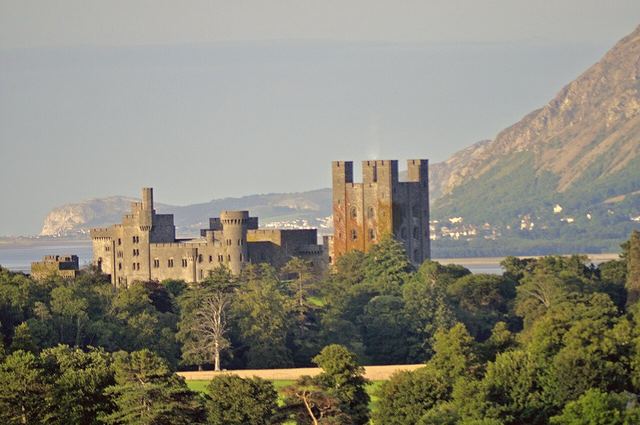 No. 21
Penrhyn Castle
A Victorian country house built to look like a Norman castle rather than one that ever needed to defend anything - the Pennant family raised it in the 1800s on fortune from the Welsh slate industry, and National Trust interpretation doesn't shy from that history's harder side alongside the architecture. The grounds are the real draw as much as the house: extensive gardens, a walled garden reviewers rate among the best they've seen, and views back to Snowdonia.
Worth knowing: The house isn't always open (check before travelling if that's the priority), but the gardens and grounds make for a full visit on their own, even on a day when it's shut.
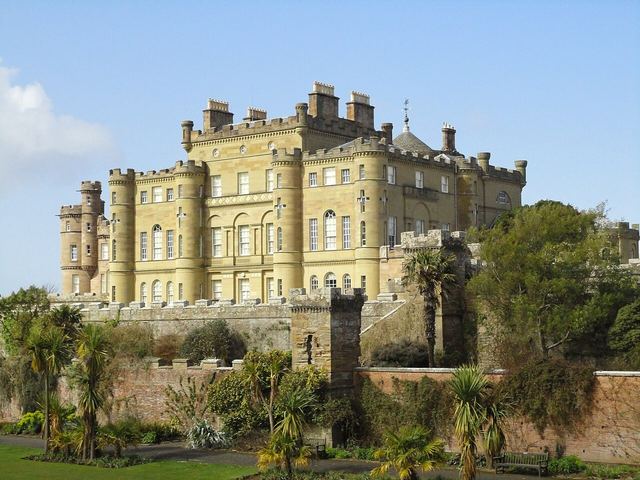 No. 22
Culzean Castle
Robert Adam's clifftop remodelling for the Kennedy family, now run by the National Trust for Scotland with grounds that sprawl into woodland and beach walks well beyond the house itself. You can also stay overnight in the Eisenhower apartment or the Brewhouse flat.
Worth knowing: The castle is a roughly ten-minute walk from the visitor centre, but there's an accessible shuttle for anyone who needs it.
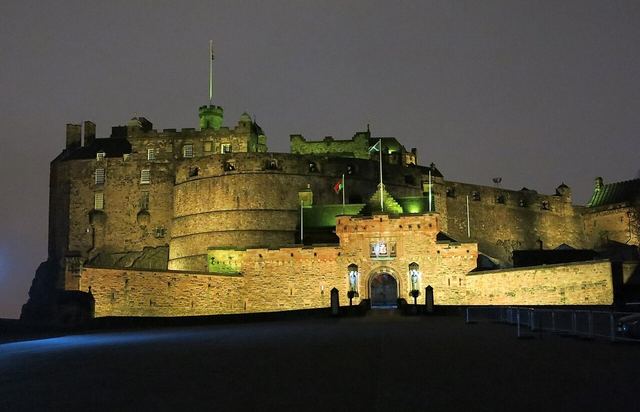 No. 23
Edinburgh Castle
Scotland's most visited historic site, a fortress complex built up over centuries on its volcanic rock above the city, home to the Crown Jewels of Scotland and the Stone of Destiny. It's a full day's worth of sites in one, the jail, regimental museums, war memorial, and the ancient royal apartments, and reviewers rate it among the best of any UK castle.
Worth knowing: Pre-book tickets and arrive right at opening - with over 100,000 reviews logged, this is one of the busiest sites in the country, and reviewers say getting there early is the difference between exploring freely and queuing behind crowds.
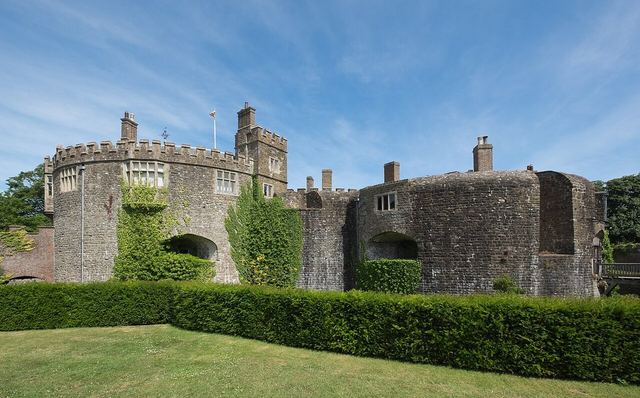 No. 24
Walmer Castle and Gardens
Another of Henry VIII's Device Forts, converted over the centuries into the official residence of the Lord Warden of the Cinque Ports - a ceremonial post held by, among others, the Duke of Wellington, who died in the castle in 1852. It's smaller than the castle name suggests, but the gardens and sea views make it a genuine family day out.
Worth knowing: Book online in advance for a discount of a few pounds on entry; there are two cafes and plenty of parking, so it works well as a full day rather than a quick stop.
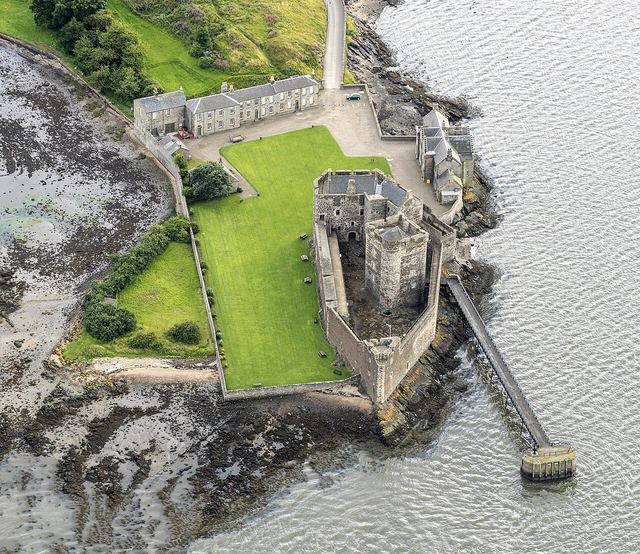 No. 25
Blackness Castle
Built as an artillery fortress on the Firth of Forth and shaped, deliberately, like a ship run aground - locals call it "the ship that never sailed." Historic Environment Scotland keeps it staffed and largely unfurnished, so what you get is the stonework itself: towers, wall walks, spiral stairs and a Victorian pier jutting out into the water. Outlander fans will recognise the courtyard as Jamie Fraser's flogging scene, and reviewers rate it among the best value entries in the country.
Worth knowing: Ground floors are rough underfoot and there are several low doorways and spiral staircases, so wear proper shoes; at around £7.50 online it's also one of the cheaper Historic Scotland tickets.
How this ranking works
Every castle's rating and review count come from publicly available Google review data for the 441 castles on the roll, captured in July 2026 - 1,358,848 reviews in all, averaging 4.50 stars. Each castle's score is its own rating pulled toward that national average, with the pull weakening as its review count grows: at 5,000 reviews the two count equally, and far past it the castle's own rating dominates. It is the same method film charts use to stop a perfect score from twelve voters beating a near-perfect one from a hundred thousand. Ratings move as new reviews arrive, so treat neighbouring positions as close-run; the gap between No. 3 and No. 23 is real, the gap between No. 8 and No. 9 is not.
Before you travel
Castles change hands, close wings for conservation, and shift their opening hours faster than any list can track. Every entry above links to that castle's own page here, which carries its operator, access notes and website - check there, or with the operator directly, before you plan a day around a visit.
Questions people ask
What is the best castle to visit in the UK?
By the review-weighted verdict of 1,358,848 Google reviews across every visitable UK castle, the best castle to visit in the UK is Hever Castle in Kent - rated 4.8 stars across 13,800 reviews. Dunnottar Castle in Aberdeenshire runs it a very close second.
What is the best castle to visit in Scotland?
Dunnottar Castle in Aberdeenshire is the highest-placed Scottish castle on this ranking (No. 2 nationally), rated 4.8 stars across 13,279 Google reviews.
What is the best castle to visit in Wales?
Conwy Castle in Conwy is the highest-placed Welsh castle on this ranking (No. 5 nationally), rated 4.7 stars across 21,470 Google reviews.
Is the Tower of London worth visiting?
By the numbers, emphatically yes. The Tower of London holds a 4.7-star rating across 120,472 Google reviews - the largest review count of any castle in the United Kingdom - and places No. 3 on this ranking.
How is this ranking calculated?
Each castle's Google rating is weighted by its review count: a castle needs thousands of reviews before its own rating fully outweighs the national average of 4.50 stars (the crossover is set at 5,000 reviews). That stops a 5.0 rating from a handful of reviews outranking a 4.7 held across a hundred thousand visitors. No editor chose or reordered the list; the full method is described on the page.