Guide No. 41 · The Castle Rolls
The Castle Garrison: Who Actually Lived Inside
Films fill castles with soldiers on every wall. The records describe something much quieter: a constable, a porter, a watchman or two, and for most of the year a great deal of empty stone.
A castle garrison was the group of people who kept and defended a castle, and in peacetime it was usually very small. A constable ran the place, a porter kept the gate, a few watchmen kept the walls, and craftsmen kept the buildings standing. When Edward I settled his new castles in north Wales in 1284, Conwy and Harlech were each given 30 men and Caernarfon 40. Numbers rose sharply only when war came, and fell again as soon as it passed.
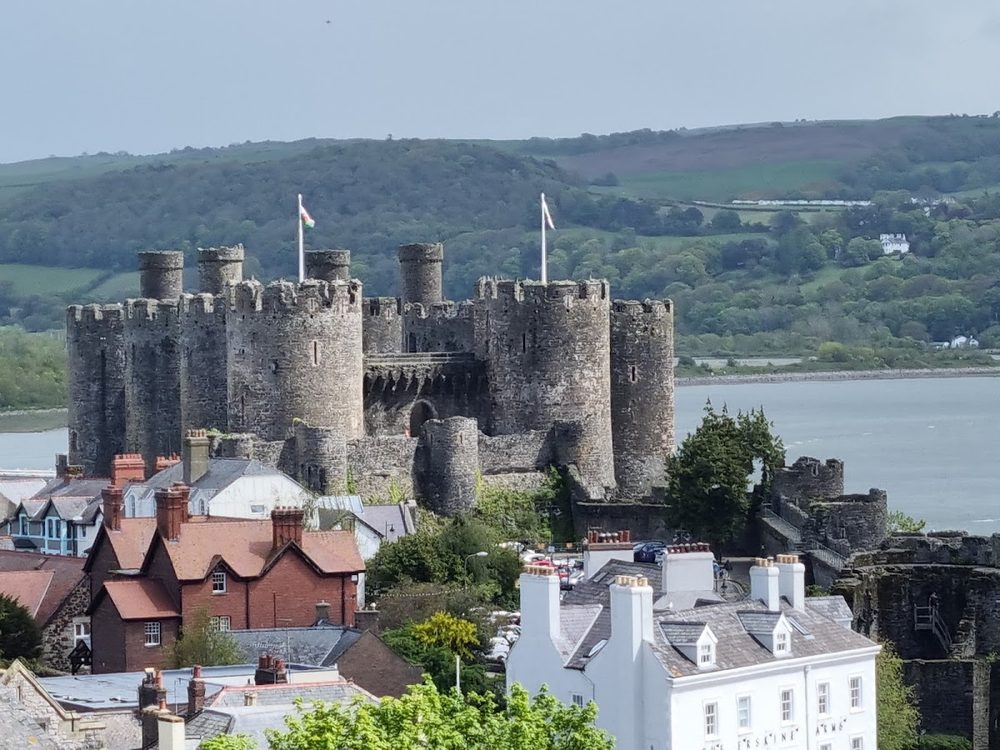
The people who ran it
The man in charge was the constable, sometimes called the castellan. He held the castle for its owner, whether that was the king, a bishop or a baron, and he answered for it if it was lost. He commanded the garrison, kept the stores and the prisoners, and in practice made most of the day-to-day decisions, because the owner was usually somewhere else.
Below him the posts that mattered most were the least glamorous. The porter held the gate, which was the one opening every attacker wanted. Watchmen kept the walls at night. A smith, a carpenter and a mason kept the fabric working, and a chaplain served the chapel. The 1284 arrangements for Conwy list that kind of staff: 30 soldiers, 15 of them crossbowmen, with a carpenter, a chaplain, a smith, an engineer and a stonemason. The constable there was also mayor of the new town by royal charter, which tells you the job was as much administration as soldiering. At Harlech the post went to Master James of St George, the castle's own builder, from 1290 to 1293.
Castle-guard: owing the castle your time
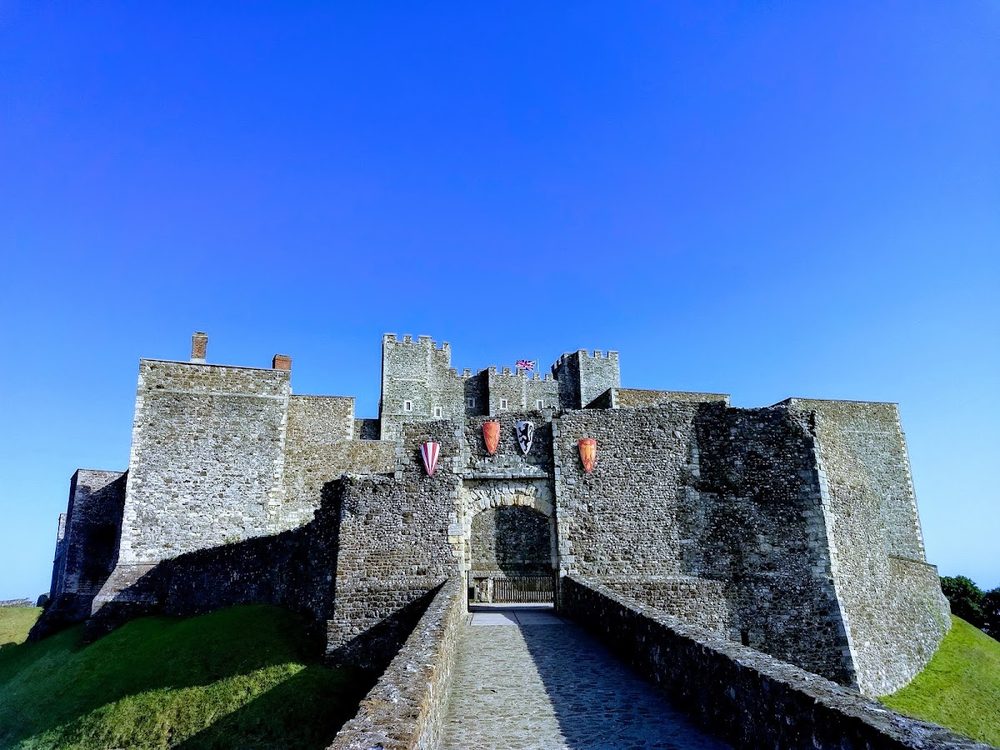
Before paid garrisons became normal, many castles were guarded through land tenure. Under castle-guard, a tenant held his estate on condition that he, or a knight he sent, served in the garrison of a named castle for a fixed period each year. The castle might be a long way from the land: knights from Northamptonshire owed guard at Dover, on the other side of the country.
That distance is why the arrangement changed so early. Riding across England to stand on a wall for a few weeks was a poor use of a knight, so the service was commuted into a fixed payment known as castle-guard rent, and the money could be used to pay for a standing garrison. The rent outlived its purpose by centuries and was still being collected into modern times.
The obligation has left marks you can still find. Several of Dover's wall towers carry the names of the families whose lands owed guard there, among them Avranches, Peverell and Crevecoeur. At Richmond the knights of the honour took turns in the garrison for a set period every year. On the Isle of Wight castle-guard was owed from almost every manor, all of them held from the lord at Carisbrooke.
Peace and war
The great households explain why so many castles were quiet. A lord moved between his houses through the year and took most of his household with him: knights, clerks, cooks, grooms and servants. When he arrived, a castle could hold well over a hundred people. When he left, it went back to its skeleton staff. Paid soldiers also turn up in the Crown's accounts, the pipe rolls, because men on wages were a cost somebody had to account for.
War changed the numbers completely. Hubert de Burgh held Dover against Prince Louis of France in 1216 with 140 knights and more than 140 serjeants, which was a very large force for a single castle. Most garrisons under siege were far smaller. Harlech came through the Welsh rising of 1294 to 1295 with a garrison reported at times as just 37 men, because ships could still reach its water gate. In the Civil War the numbers were similar: Harlech surrendered in March 1647 with 44 men, and Beeston in November 1645 with fifty-six.
The weak point was people
A small garrison could hold a big castle because the walls did most of the work. The danger was that a handful of people could be surprised. On Good Friday 1401, Rhys and Gwilym ap Tudur took Conwy for Owain Glyndwr's rising while most of the garrison was at church in the town. They got in disguised as carpenters come to work on the castle, killed the two watchmen on duty, and held it for about three months before negotiating a surrender.
The story shows how thin a castle's guard could be at any given moment, even in wartime, since Glyndwr's rising had begun the previous September. When Conwy was attacked, most of its garrison was in the town and two watchmen were on duty. The castle was lost through the gate and the watch, with its walls untouched.
Quick answers
How many soldiers were in a medieval castle garrison?
Far fewer than most people expect. In peacetime a castle might be kept by a constable, a porter and a few watchmen. Even on a frontier, numbers stayed small. When Edward I settled his new castles in north Wales in 1284, Conwy and Harlech were each given a garrison of 30 men and Caernarfon 40. In wartime numbers rose sharply: Hubert de Burgh held Dover in 1216 with 140 knights and more than 140 serjeants.
What was castle-guard?
Castle-guard was a feudal obligation. Some tenants held their land on condition that they, or a knight they sent, served for a fixed period each year in the garrison of a particular castle. The castle could be a long way from the land: knights from Northamptonshire owed guard at Dover. Because of that distance, the duty was turned into a fixed money payment very early on. That payment, called castle-guard rent, carried on being collected into modern times.
What did a castle constable do?
The constable, also called the castellan, ran the castle on the owner's behalf. He commanded whatever garrison there was, kept the gates, the stores and the prisoners, and answered for the place if it was lost. In Edward I's Welsh castles the job often came with the town as well: the constable of Conwy was also mayor of the new borough under a royal charter of 1284.
Who lived in a castle when the lord was away?
A skeleton staff. Great lords moved between several houses through the year and took most of their household with them, so a castle could spend months with only a constable, a porter, a watchman or two and the servants who kept the buildings in repair. The full household of knights, clerks, cooks and grooms arrived when the lord did and left with him.
How could a small garrison hold a big castle?
Because the walls did most of the work, as long as the gate held and supplies kept coming. Harlech was held through the Welsh rising of 1294 to 1295 by a garrison reported at times as just 37 men, supplied by sea through its water gate. The weak point was usually people. In 1401 Conwy was taken by two brothers who got in disguised as carpenters and killed the two watchmen on duty.
Where to stand inside the idea
Eight castles on the roll where the record says who was actually inside:
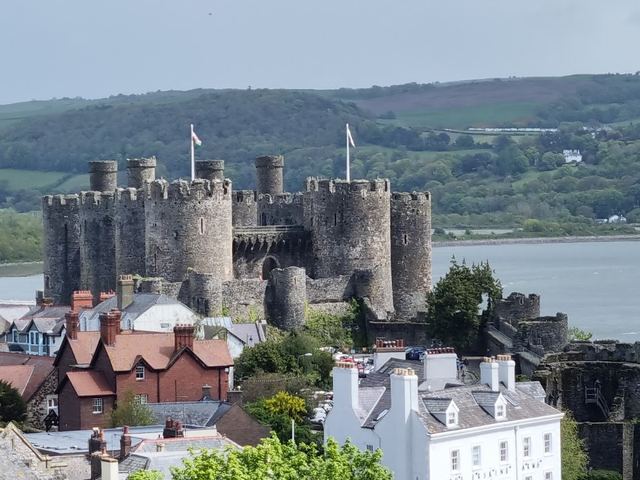
Conwy Castle
Given a garrison of 30 in 1284, 15 of them crossbowmen, under a constable who was also the town's mayor. Taken in 1401 by two brothers posing as carpenters.
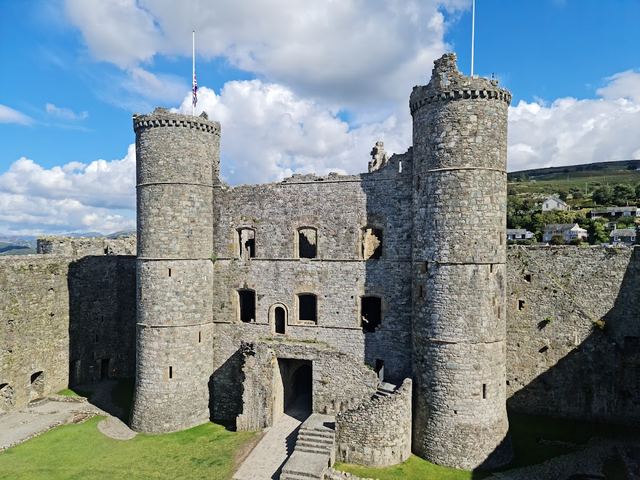
Harlech Castle
Thirty fighting men in 1284, ten of them crossbowmen. Master James of St George, its builder, was its constable from 1290 to 1293, and 44 men surrendered it in 1647.
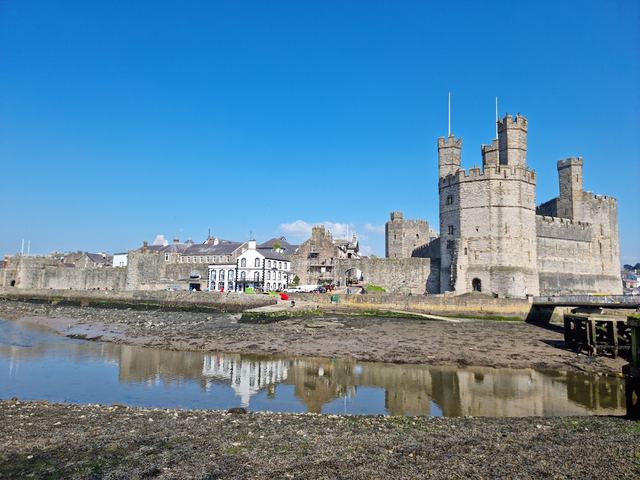
Caernarfon Castle
The largest of the three new garrisons of 1284, at 40 men, which still left a few dozen people inside the most ambitious of Edward I's Welsh castles.
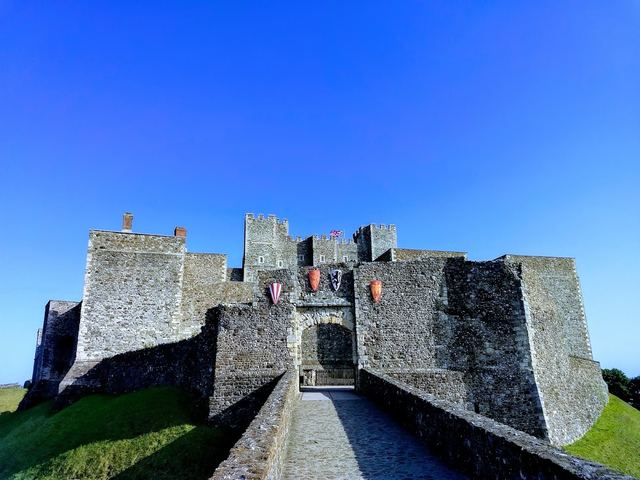
Dover Castle
One of the best-documented examples of castle-guard in England. Knights from estates across England owed service here, and several wall towers carry the names of the families who owed it.
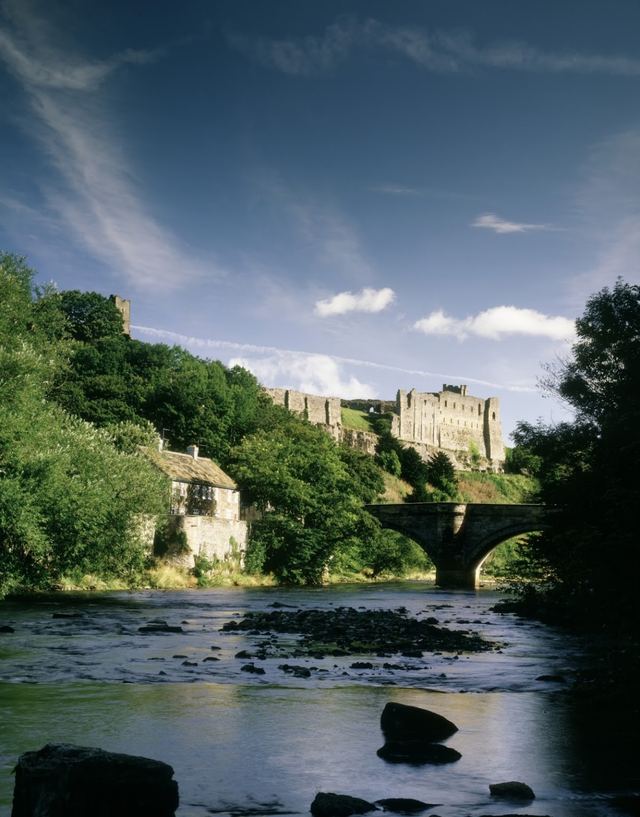
Richmond Castle
Guarded by the knights of the honour of Richmond, each of whom took a turn in the garrison for a fixed period every year in return for their land.
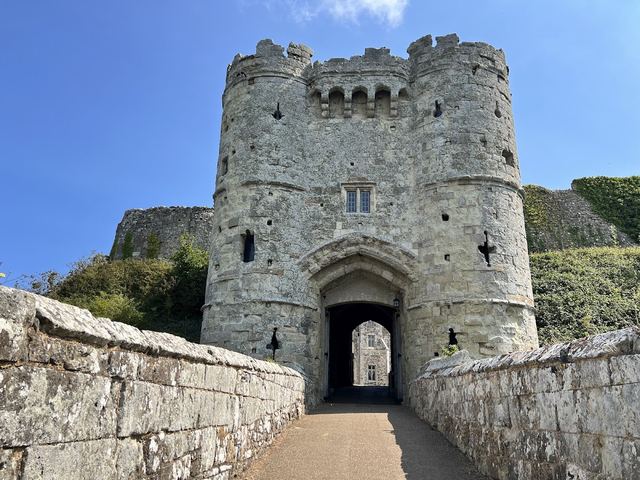
Carisbrooke Castle
The seat of the lords of the Isle of Wight, where castle-guard was owed from almost every manor on the island.
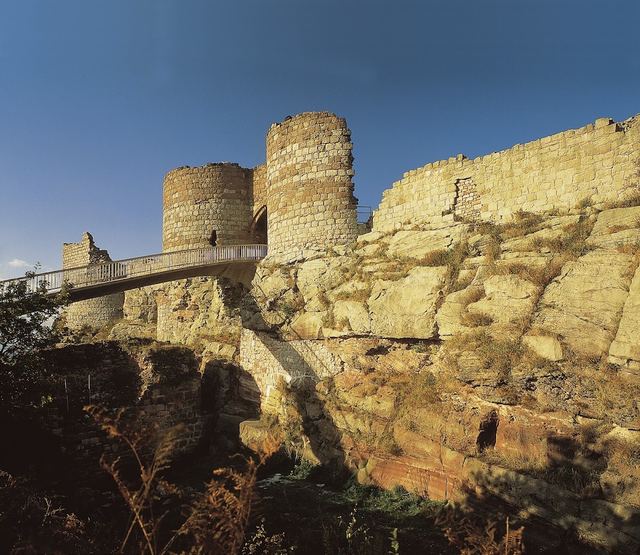
Beeston Castle
A Civil War ending in numbers. When the royalist garrison surrendered in November 1645 after a year of blockade, Captain Vallet marched out with fifty-six men.
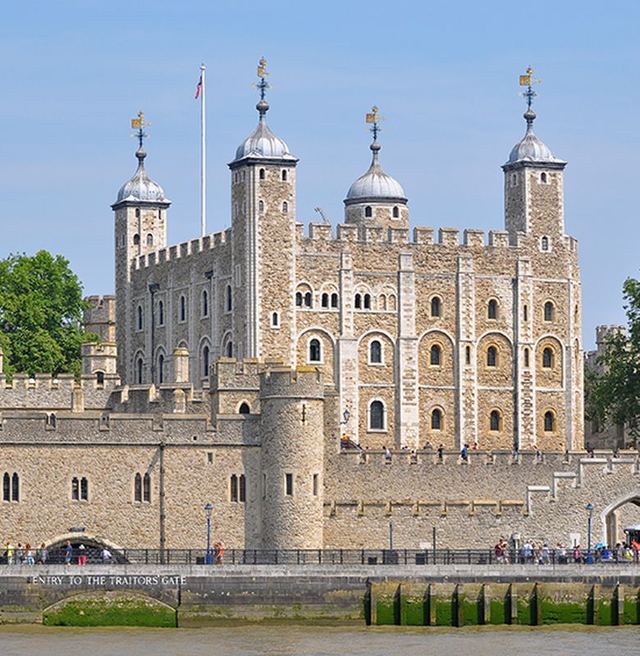
Tower of London
A guard still in residence. The Yeoman Warders have been part of the Tower since the Tudor period and still live inside its walls with their families.