Guide No. 31 · The Castle Rolls
How a Castle Was Actually Taken
Ladders against the wall, a ram at the gate, men pouring over the parapet. It is the picture everyone has, and it describes the rarest and least favoured way of ending a siege. Most castles fell to arithmetic.
A medieval siege was the reduction of a fortified place by surrounding it and cutting it off, and the assault was the option a commander reached for last. Far more castles were taken by hunger, disease, mining and negotiation than by men going over a wall. The reason is money. Feudal service was finite, wages were not, an army camped in one place stripped the surrounding country bare within weeks, and sickness ran worse through the besiegers' lines than through the garrison's. Every day a castle stood, the attacker paid for it. Everything else in siege warfare - the mines, the engines, the terms offered at the gate - was an attempt to shorten that bill.
Under the wall
Mining was the most reliable way to break masonry before gunpowder, and it needed no machine at all. Miners dug a gallery in under the foundation, propped the space they had excavated with heavy timber, packed it with brushwood and grease, and set it alight. When the props burned through, the wall dropped into the hole.
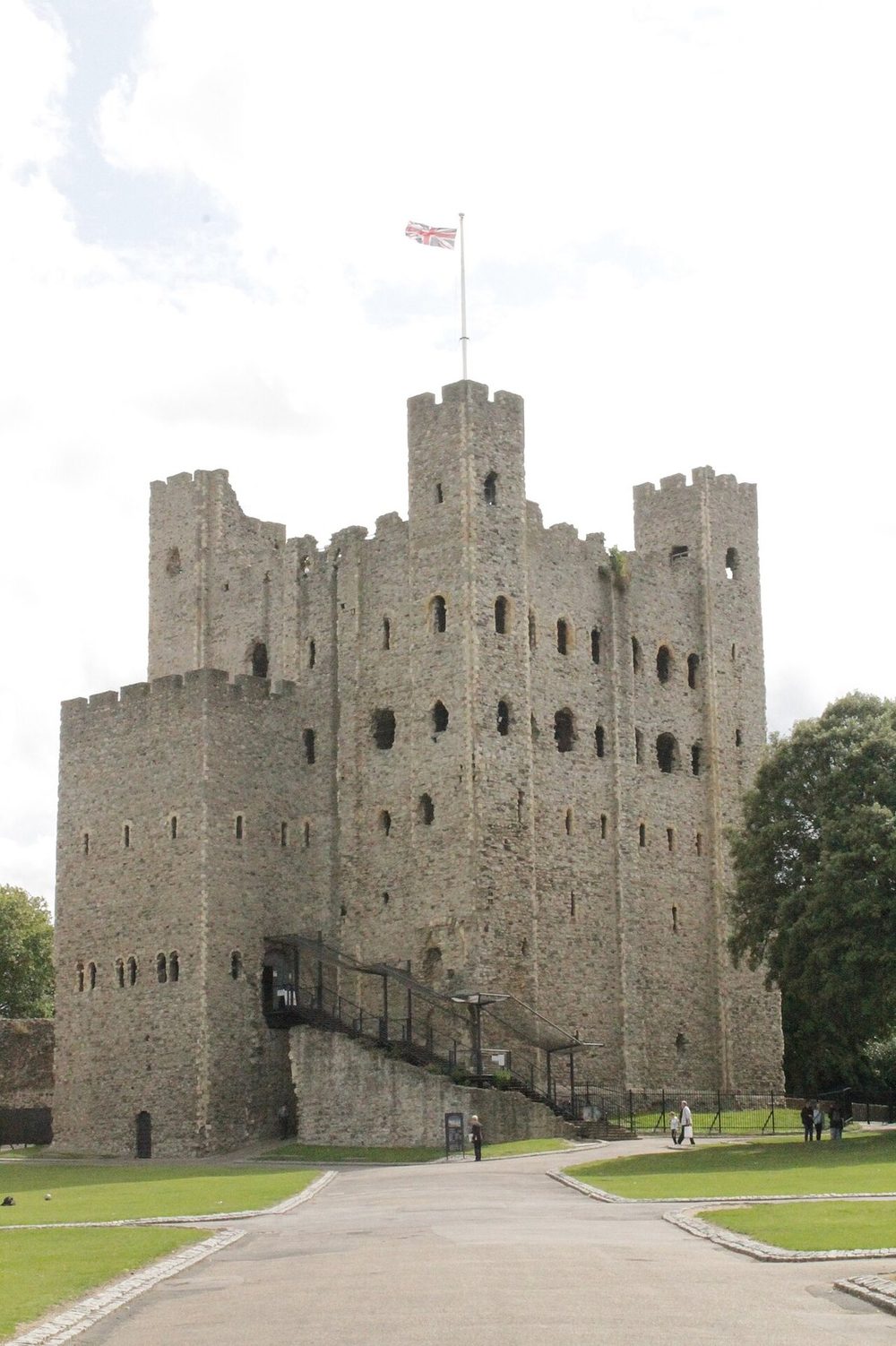
Rochester is the case that made the technique famous in England. King John arrived in October 1215, took the bailey, and set his miners under the great tower. His writ to Hubert de Burgh asked for forty of the fattest pigs of the sort least good for eating, and the fat went under the props. On 30 November the south-east corner came down. The garrison fell back behind the tower's internal cross-wall and held there until hunger finished the argument. The corner that was rebuilt afterwards is round rather than square, which is why Rochester's keep still has three square angles and one curve.
Mining also failed, sometimes spectacularly. At Dryslwyn in 1287 a stretch of wall came down before the besiegers expected it and fell on them, killing several knights of the attacking army including Sir William de Monte Caniso. And a mine can be answered. Garrisons countermined, listening for the digging and breaking into the gallery to fight it out underground. Wet ground defeated the whole method, which is one honest reason for a moat, and living rock defeated it absolutely, which is one honest reason for a crag.
Dover shows what happened when a mine worked and still lost. Prince Louis brought down the eastern tower of the north gate in 1216; Hubert de Burgh's garrison fought his men back out of the breach with timber and whatever came to hand, and the castle was never taken. The repair is the evidence. After the war the north gate was blocked solid and the Constable's Gate built to replace it.
Over the wall, and through it
Escalade, an assault by ladder, was the cheapest attack available and the one most likely to kill the men who tried it. It worked against surprise, against a thin garrison, or against a place whose defenders had already given up, and commanders used it early precisely because it was worth one quick attempt before the expensive part began.
The belfry was the serious version: a timber tower on rollers, hide-covered against fire, tall enough to put men onto the parapet from a drawbridge at the top. It had to be built, and then the ground in front of the castle had to be levelled and filled to get it there, which is why so few sieges used one. Edward I did at Bothwell in 1301, having the belfry made at Glasgow and dragged overland to the castle; Bothwell surrendered inside a month. The ram and the bore, worked under a timber shed called a cat or a sow, did the same job at ground level against a gate or a wall base.
The engines, and what they were really for
The traction trebuchet, worked by a team of people hauling down on ropes, was the standard stone-thrower of the early Middle Ages. The counterweight trebuchet that spread from the late twelfth century was heavier, slower and far more accurate. Neither of them knocked a curtain wall flat in an afternoon. What they did well was strip the hoardings off a parapet, break roofs, make the courtyard unusable, and keep a garrison awake, and a besieger who could do all that indefinitely rarely needed a breach at all.
Kenilworth in 1266 is the proof by exception. Henry III brought nine engines and an arsenal that included tens of thousands of crossbow bolts against the garrison holding out for Simon de Montfort's cause, and the great water defences simply held. The siege ran about 172 days, the longest sustained in English medieval history, and it ended in December with disease and starvation, not with a hole in a wall.
Stirling in 1304 is the other extreme. Edward I already had twelve engines in front of the castle when he ordered his master of works, James of St George, to build a thirteenth, Warwolf, which took months and arrived in pieces on dozens of wagons. William Oliphant's garrison of about thirty offered to surrender. Edward refused to accept until the machine had been tried on the walls, and took the surrender on 24 July once it had.
Hunger, terms and the day of respite
The commonest ending was an agreement. A garrison would offer a conditional surrender: if no relieving army arrives by a named date, we open the gates and march out with our arms and our lives. It saved the besieger months and the defender a massacre, and it was regarded as honourable on both sides. Odiham took that road in 1216, where thirteen men held Prince Louis for a week or more and left with the honours of war.
The alternative was made deliberately memorable. Henry III spent eight weeks on Bedford Castle in 1224, lost more than two hundred men doing it, and hanged the surviving garrison from a gallows raised in front of the keep. That was not temper. A place taken by storm forfeited the protection that terms would have bought, and the next garrison to be offered terms was expected to have heard about it.
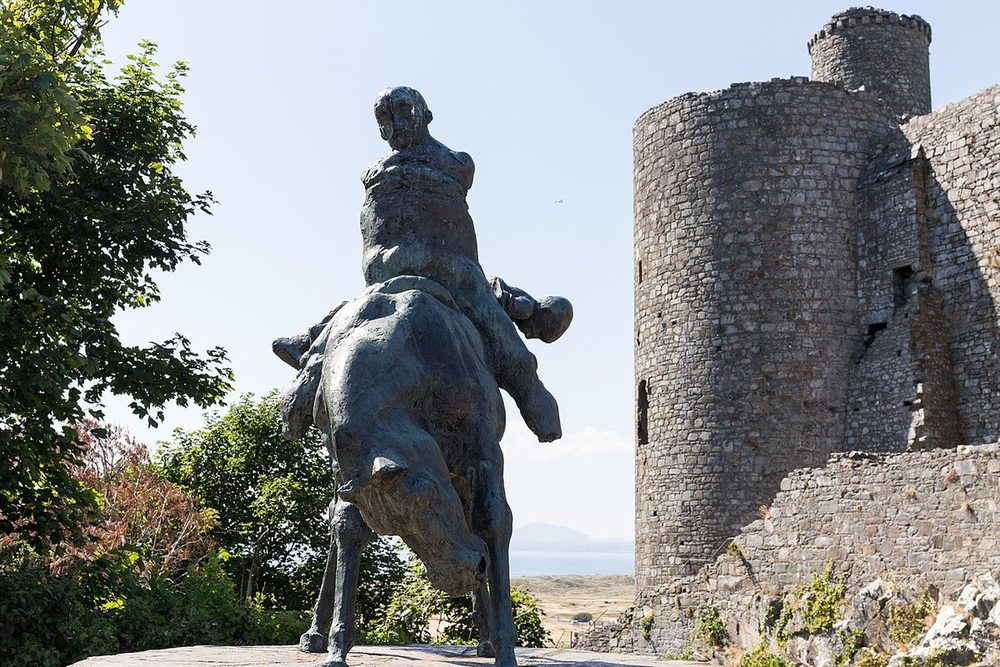
Where a castle could be fed, none of it applied. Harlech held for the Lancastrians from 1461 until 14 August 1468, the longest siege in British history, and the reason is the stair running down to the water: for most of those seven years the Yorkists were not attacking it, only sitting around it, while ships came in.
Where it stopped
In June 1464 the Earl of Warwick brought guns to Bamburgh: the great iron pieces named Newcastle and London, and a brass gun called Dijon. Shot from Dijon went through Sir Ralph Grey's own chamber and the falling masonry knocked him senseless; his second in command surrendered. Bamburgh is the first English castle known to have been reduced by gunpowder artillery, and the significance is not the drama but the timetable. What a mine did in weeks and hunger did in months, a battery now did in days.
That inverted the whole arithmetic. Height stopped being an advantage and became a target, and the answer, worked out over the next century, was to go low, thick and angled instead, which is the road that ends at Henry VIII's device forts. The castles in this guide were not made obsolete by better armies. They were made obsolete by a siege that no longer took long enough to be worth resisting.
Quick answers
How was a medieval castle taken?
Usually by hunger, not by assault. A besieger's first move was to surround the castle, cut its supply lines and open negotiations, because storming a wall threw away trained men against the one thing the defender had spent a fortune making difficult. When force was used it came in four broad forms: mining under the walls, escalade with ladders, battering with a ram or a bore under a protective shed, and bombardment by stone-throwing engines. All of them were slower and more expensive than starvation, and most sieges ended in a negotiated surrender rather than a breach.
What was the longest castle siege in British history?
Harlech Castle, held for the Lancastrians from 1461 until 14 August 1468, when it surrendered to William Herbert. That is roughly seven years, but the honest description is blockade rather than continuous attack: for much of the period the Yorkists simply isolated the castle, which could still be supplied from the sea. The longest sustained siege in English medieval history is Kenilworth in 1266, about 172 days from late June to mid-December.
How did miners bring down a castle wall?
By digging a gallery under the foundation, propping the excavated space with timber, packing it with brushwood and fat, and setting it alight. When the props burned through, the wall above dropped into the void. King John's siege of Rochester in 1215 is the best-documented example in England: his writ ordered forty of the fattest pigs of the sort least good for eating, to fire the props under the great tower. The south-east corner came down on 30 November 1215.
Did trebuchets actually knock down castle walls?
Slowly, and often that was not the main point. The traction trebuchet, worked by a team hauling on ropes, and the counterweight trebuchet that spread from the late twelfth century could break down hoardings, smash roofs and make the courtyard lethal long before they made a hole. Edward I's Warwolf, built at Stirling in 1304 by Master James of St George, is the famous exception: when the garrison offered to surrender, Edward refused to accept until the machine had been tried on the walls.
What ended medieval siege warfare?
Gunpowder artillery. In June 1464 the Earl of Warwick brought his great iron guns Newcastle and London, and the brass Dijon, against the Lancastrian garrison at Bamburgh, and it became the first English castle known to have been reduced by artillery. Once a wall could be broken in days rather than months, the answer to a castle stopped being time and started being metal, and fortification began the slow change towards the low, thick, angled forms of the sixteenth century.
Where to stand inside the idea
Ten castles on the roll where a siege left something you can still see, from a mined corner in Kent to the first walls in England broken by gunfire:
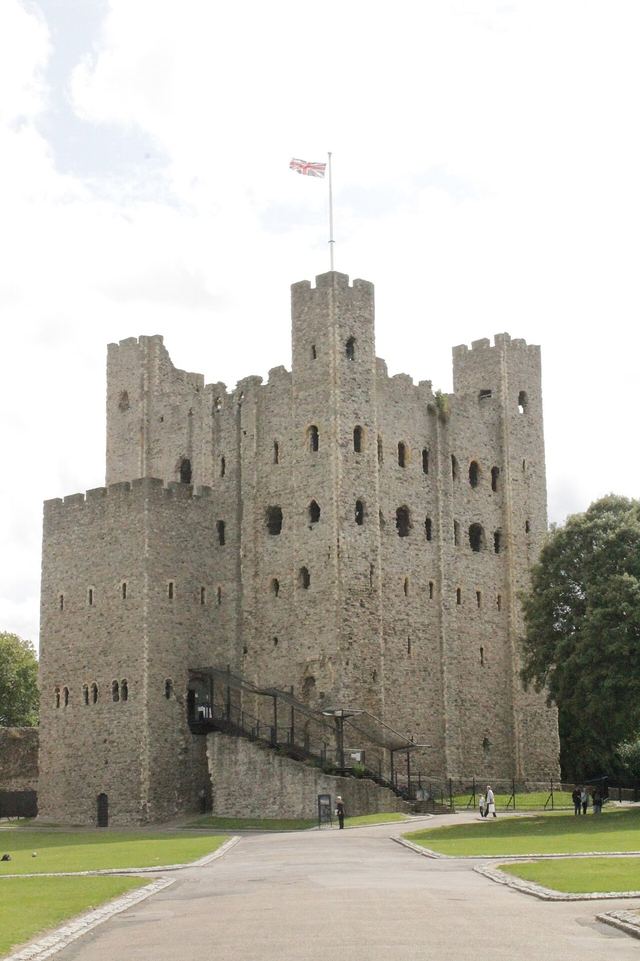
Rochester Castle
Mined by King John in 1215 with the fat of forty pigs. The south-east corner of the great tower fell on 30 November; the corner that replaced it is round, which is why three of Rochester's corners are square and one is not.
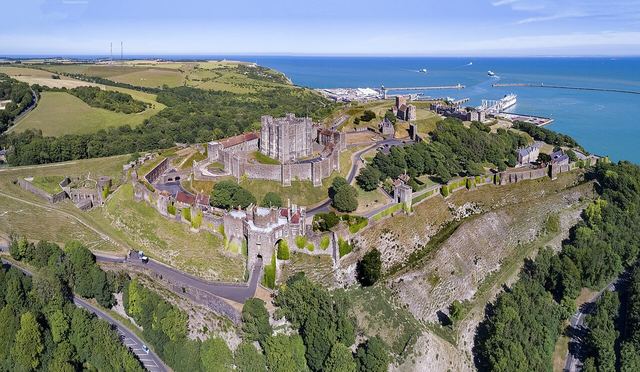
Dover Castle
Besieged twice by Prince Louis in 1216 and 1217 and never taken. French miners dropped the eastern tower of the north gate, the garrison fought them out of the breach, and after the war the gate was blocked solid and the Constable's Gate built instead.
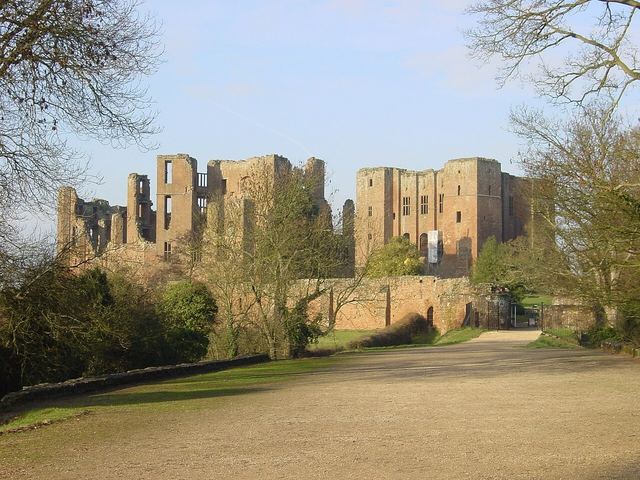
Kenilworth Castle
The longest sustained siege in English medieval history, about 172 days in 1266. Henry III assembled nine engines and tens of thousands of crossbow bolts, and none of it mattered: the great water defences held, and disease and hunger finished it in December.
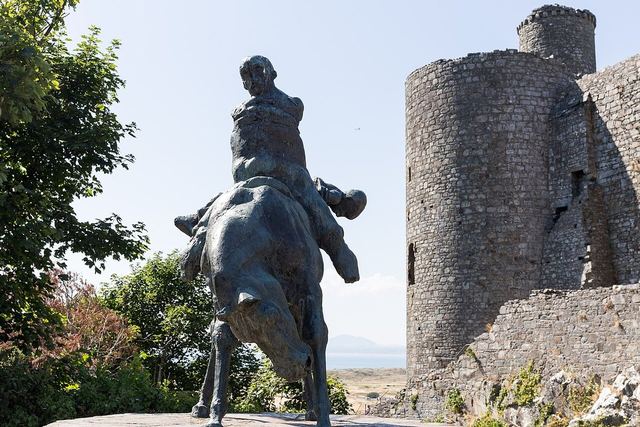
Harlech Castle
Held for the Lancastrians from 1461 to 14 August 1468, the longest siege in British history. Mostly blockade rather than battle, because the castle's stair to the sea meant it could be supplied by ship.
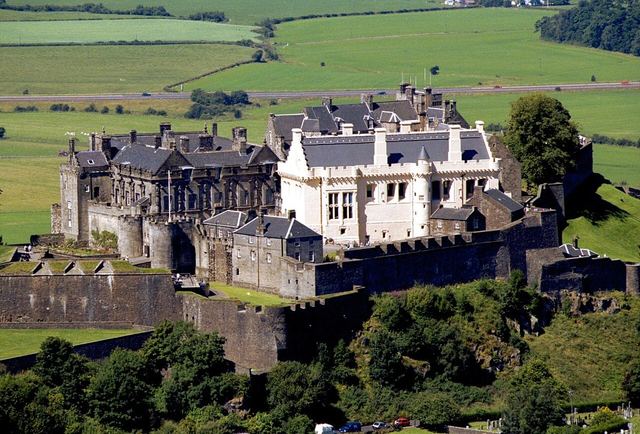
Stirling Castle
Where Edward I gathered twelve engines in 1304 and then built a thirteenth, Warwolf, and refused the garrison's surrender until he had seen it work.
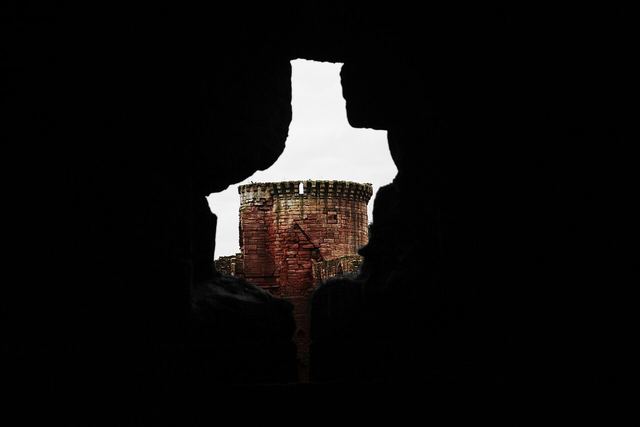
Bothwell Castle
Taken by Edward I in 1301 with a belfry, a mobile assault tower built at Glasgow and dragged overland to the castle. The clearest surviving Scottish case of a siege decided by a machine rather than a mine.
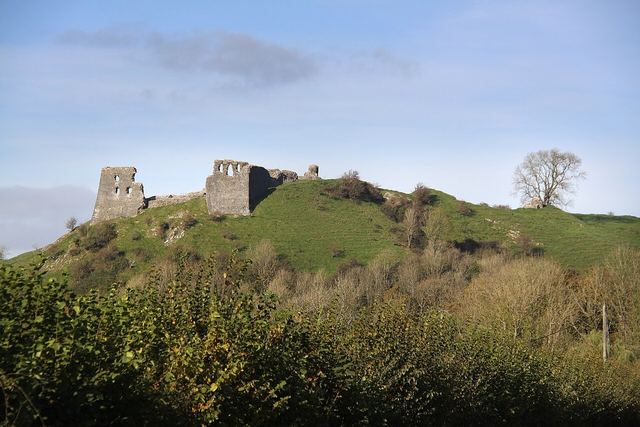
Dryslwyn Castle
Where a mine went wrong in 1287. A section of wall came down early and onto the besiegers, killing several of the attacking knights including Sir William de Monte Caniso. The garrison surrendered a fortnight later anyway.
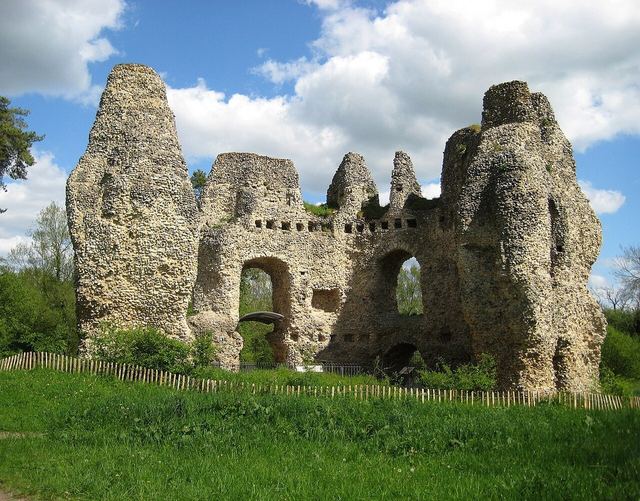
Odiham Castle
A garrison of thirteen men held out here against Prince Louis in 1216 for a week or more, depending on which chronicler you follow, and marched out with the honours of war.
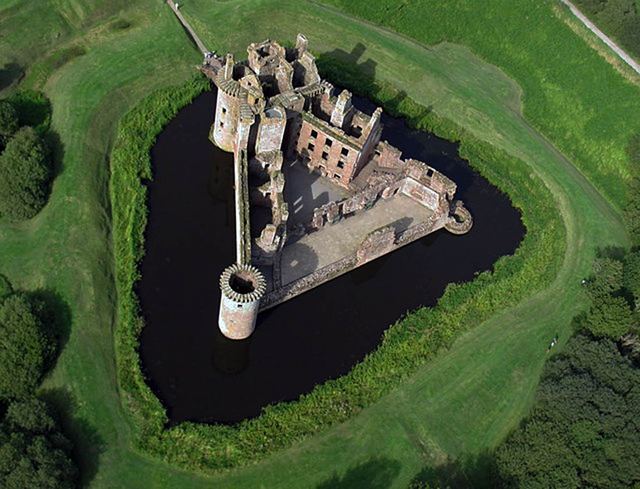
Caerlaverock Castle
Besieged by Edward I in July 1300 and commemorated in an Anglo-Norman heraldic poem that names the besieging knights and blazons their arms. Almost no other siege was written up as a guest list.
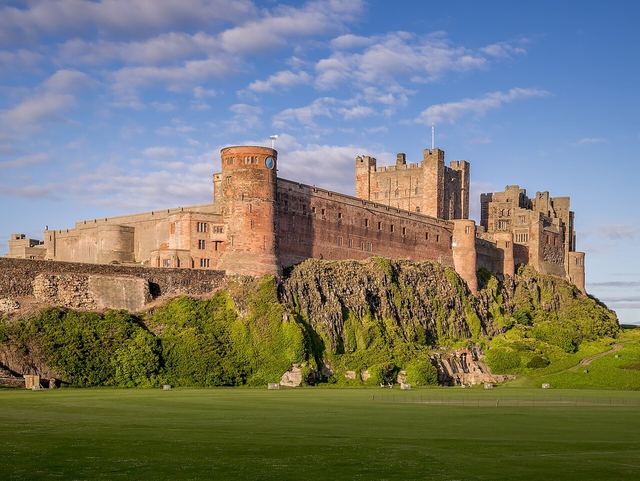
Bamburgh Castle
The first English castle known to have been reduced by gunpowder artillery, in June 1464. Warwick's guns did in days what a mine took weeks to do, and the argument about wall thickness was over.