Guide No. 40 · The Castle Rolls
Timber to Stone: When Castles Were Rebuilt in Masonry
The usual story is a tidy one: the Normans threw up castles in earth and timber, then rebuilt them in stone. What actually happened was slower, patchier and far more interesting, and on some castles the timber stage lasted a quarter of a millennium.
Castles were rebuilt in stone because timber rots, burns and needs constant repair, and because masonry made a statement about permanence that a palisade couldn't. There was no single moment when it happened. A few castles were stone from the day they were begun, most were left in timber, and the ones in between were done piece by piece over a century or more as money allowed. Pickering was founded in 1069 and still had a timber palisade round its outer bailey in 1324.
The standard sequence, and where it breaks
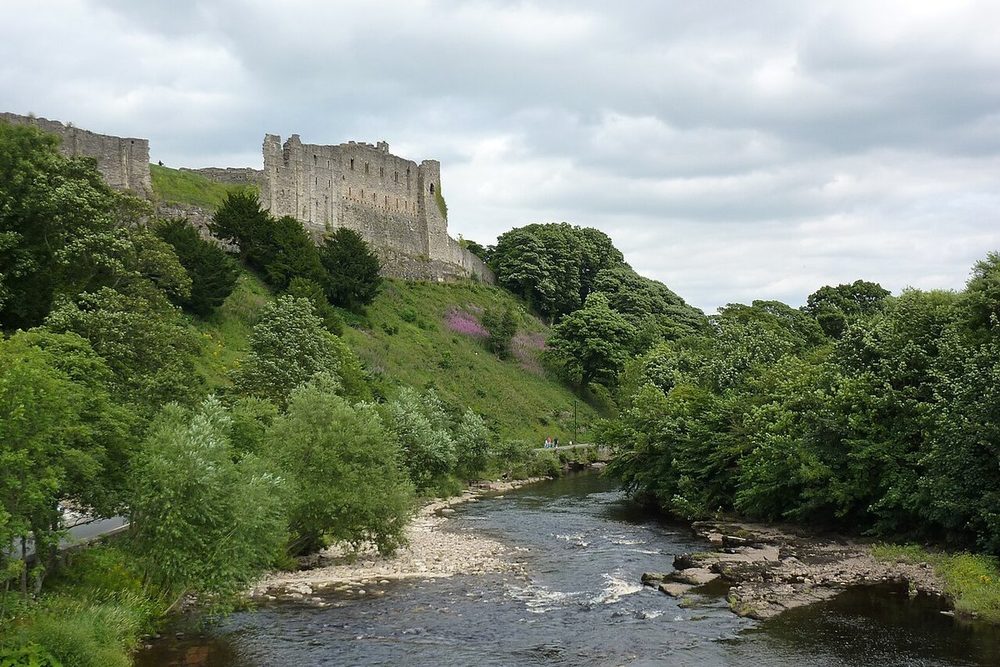
School history gives the change as a progression: earth and timber first, stone afterwards, with the second stage following the first the way one century follows another. The dates don't cooperate. Chepstow was begun in stone in 1067, within a year of Hastings, and the great tower begun there under William fitz Osbern is the oldest surviving post-Roman stone castle building in Britain. At Richmond, Alan Rufus started work in 1071 and by the 1080s had put up long stretches of stone curtain wall and Scolland's Hall, which is the oldest known great hall in England.
So masonry was available from the beginning to anyone who could pay for it. What the Normans lacked in 1066 was time, not technique, and where time was the binding constraint they built in timber. Where it wasn't, they didn't. The choice was being made site by site from the first year of the conquest, and the two supposed stages overlap by more than a century as a result.
What the conversion actually cost
Rebuilding an existing castle in stone was usually more expensive than founding it had been. A timber castle needed labourers, trees and somebody with the authority to conscript both. A stone one needed a quarry, carts, lime, scaffolding and masons who had to be hired, housed and fed for years rather than weeks. That's the whole reason the conversion was selective: it only happened where the site was worth the outlay, which in practice meant a cathedral city, a royal town, a river crossing or a border.
The ground imposed a second cost. A motte is piled spoil, not bedrock, so a great stone tower on a made mound risks settling and cracking unless its foundations are carried down to firmer ground, which costs money again. The common answer was the shell keep, a ring of wall built round the rim of the mound where the palisade had already stood, with lighter buildings ranged against the inside face, so the whole thing weighed a fraction of what a great tower would have done. Carisbrooke got one in the twelfth century and Launceston another, into which Richard, Earl of Cornwall, later dropped a taller round tower. Historic England's scheduling record for Restormel calls the shell keep rare, with seventy-one recorded examples, which is a small number set against the hundreds of mottes raised after 1066.
The slow cases
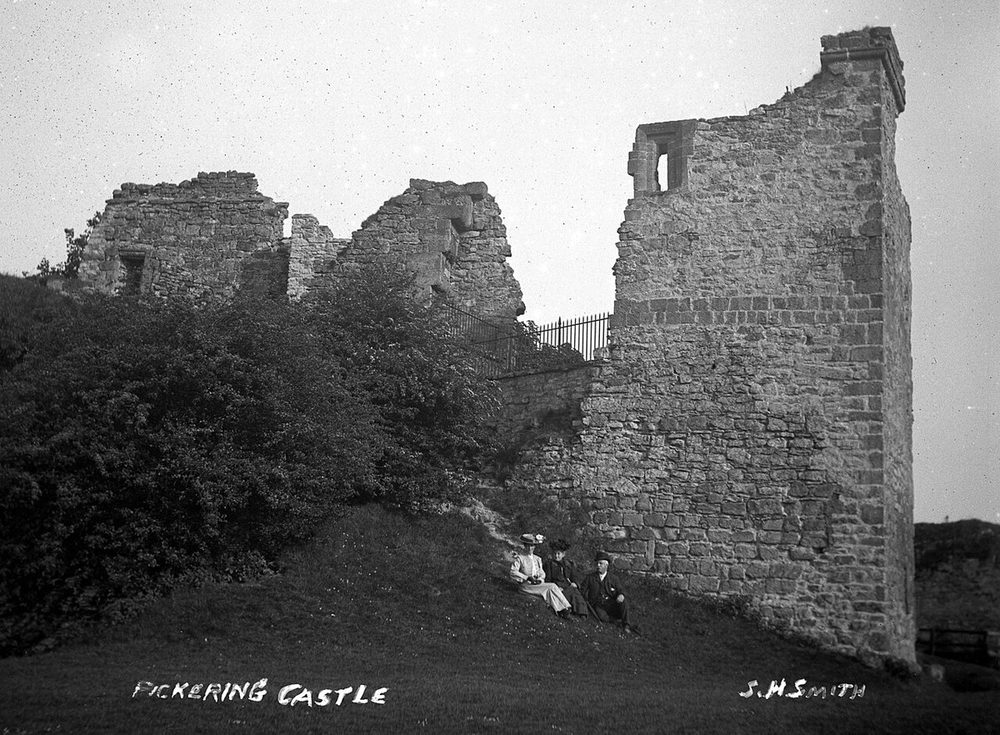
Pickering is the clearest illustration of how long the change could take. William the Conqueror founded it in 1069 or 1070 during the harrying of the north. The timber palisade round the inner bailey was replaced with a stone curtain in the late twelfth century, and a shell keep followed on the motte. The outer bailey was left in wood. It stayed in wood through the whole of the thirteenth century, and was only walled in stone, with three projecting towers and a new gatehouse, when Edward II ordered extensive works between 1324 and 1326 after nearly being caught by a Scottish raid. That's more than 250 years of timber defences, and the outer bailey was walled within two years of the Crown taking the castle back from the earls of Lancaster in 1322.
Totnes took a similar course. Juhel of Totnes raised the motte around 1087, the first stone shell keep went up about 1219, probably for Reginald de Braose, and the ring visitors climb to today was built for William, Lord Zouche, in the 1320s to replace a structure that had already gone derelict. Windsor and Berkhamsted sit in the middle of the range: both were timber castles of about 1070, and both waited roughly a century, Berkhamsted until Thomas Becket's tenure between 1155 and 1164, Windsor until Henry II rebuilt it in stone between 1165 and 1179.
The castles left in timber
Most weren't. A lord with a castle he no longer needed didn't rebuild it in stone or demolish it; he stopped spending on it, the posts rotted in the ground, and within a few generations there was a mound in a field and little else. That's the honest explanation for the great majority of motte sites on the map today, and it's why the type looks rarer in masonry than it ever was in practice.
Sometimes the decision was more deliberate. Roger de Montgomery built a timber castle at Hen Domen, above the Severn fords on the Welsh border, soon after 1071. When the Crown finally committed stone to that stretch of border, between 1223 and 1234, it didn't rebuild Hen Domen. It built a new castle on a rock a mile to the south east, and the town of Montgomery grew up around that instead. The old site was left alone, which turned out to be the most useful thing that could have happened to it.
Why the timber phase is nearly invisible
Stone leaves walls. Timber leaves stains in the subsoil where posts stood and rotted, so what we know about how these castles were laid out inside comes from excavation rather than from looking. Because Hen Domen was abandoned rather than rebuilt, no later foundations cut through the evidence, and the digs carried out there from the 1960s to the 1990s remain the most detailed examination of a timber castle anywhere in Britain. They found a tall timber building on the motte connected by a bridge to the bailey, a hall, a palisade, a tower, a gatehouse, a granary and a structure that may have been a chapel.
The practical lesson for a visit is that a converted castle has usually erased its own first draft. At Tamworth the bailey walling carries herringbone masonry of a kind usually dated to the late eleventh or early twelfth century, and the shell keep on the mound has been standing so long that the timber phase underneath it can only be inferred. The bare mounds are the ones still holding their evidence.
Quick answers
Why were timber castles rebuilt in stone?
Because timber rots, burns and needs constant repair, and because a stone castle said something a wooden one couldn't. A palisade and a timber tower had a working life of a few decades before the posts in the ground failed, so any castle a lord meant to keep needed either endless carpentry or one very expensive rebuild. Stone also raised the cost of attacking the place and the cost of ignoring its owner, and by the twelfth century that second point mattered as much as the first.
When were castles rebuilt in stone?
There's no single date. Some castles were stone from the day they were begun: work started on the great tower at Chepstow in 1067 under William fitz Osbern, and Alan Rufus was building a stone curtain and hall at Richmond in the 1080s. Others waited a century, like Windsor, rebuilt in stone by Henry II between 1165 and 1179. Pickering's outer bailey was still a timber palisade until Edward II walled it between 1324 and 1326, more than 250 years after the castle was founded.
Were all motte and bailey castles rebuilt in stone?
No, and most weren't. Converting a castle to stone cost more than founding one had, so it only happened where the site was worth the money: a cathedral city, a royal town, a river crossing, a border. The rest were repaired in timber until the lord stopped caring, then left. That's why so many motte sites today are a grassy mound in a field with no masonry anywhere on them.
Why did so many mottes get a shell keep instead of a stone tower?
Weight. A motte is piled-up spoil, not bedrock, so a great tower on a made mound risks settling and cracking unless its foundations are taken down to firmer ground. A shell keep avoided the problem by putting a ring of wall around the rim of the motte, where the timber palisade had already stood, and ranging lighter buildings against the inside face, so the whole structure weighed far less. Historic England's scheduling record for Restormel calls the shell keep rare, with seventy-one recorded examples.
Can you still see the timber phase of a castle?
Hardly ever above ground, because timber leaves post-holes rather than walls. What we know about how these castles were arranged inside comes from excavation, and the fullest example is Hen Domen near Montgomery in Powys, dug from the 1960s to the 1990s. It was left alone rather than rebuilt in stone, so no later building disturbed it, and the digs recovered a timber tower on the motte bridged across to a hall in the bailey, with a palisade, a gatehouse, a granary and what may have been a chapel.
Where to stand inside the idea
Ten places on the roll that mark a different point on the timber-to-stone range, from stone in 1067 to timber still standing in 1324:
Chepstow Castle
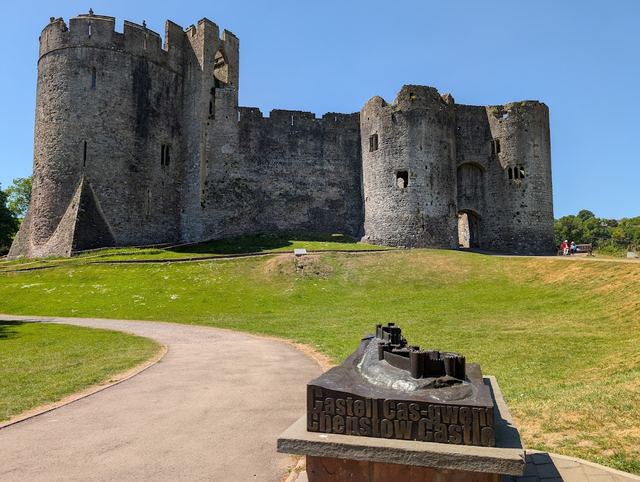
The sequence broken at the start. Work began here in stone in 1067 under William fitz Osbern, and the great tower is the oldest surviving post-Roman stone castle building in Britain.
Richmond Castle
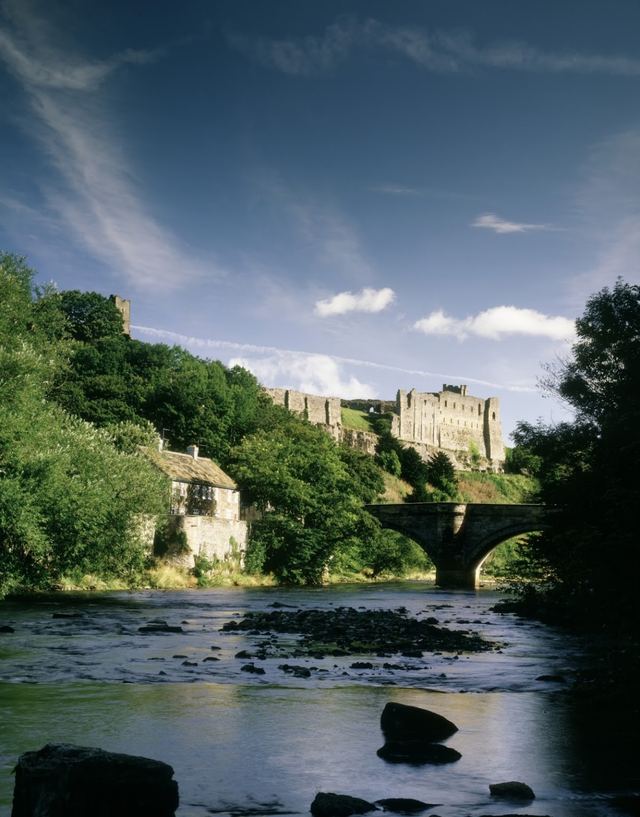
Alan Rufus began the castle in 1071 and was raising stone in the 1080s. Long stretches of his curtain wall survive, along with Scolland's Hall, the oldest known great hall in England.
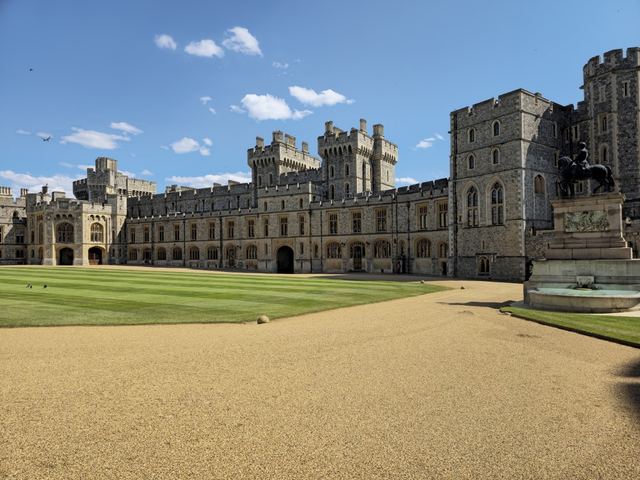
Windsor Castle
A timber motte and bailey of about 1070. Henry II rebuilt it in stone between 1165 and 1179, and the Round Tower grew from the shell keep he put where the wooden tower had stood, heightened again for George IV in the 1820s.
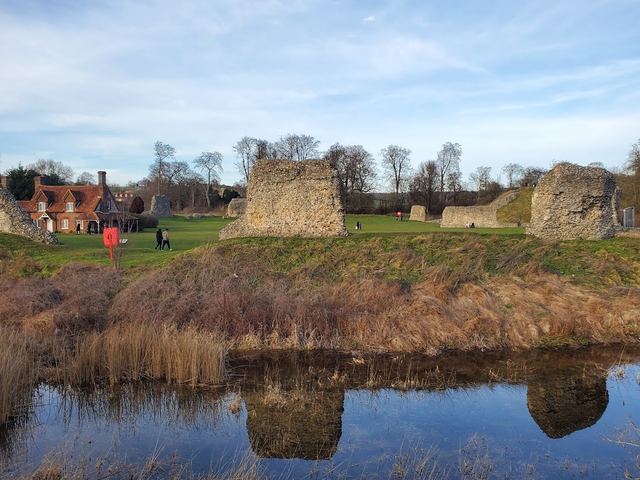
Berkhamsted Castle
Robert of Mortain built here in timber about 1070. The earliest stone on the site dates from Thomas Becket's tenure between 1155 and 1164, when large sums were spent on new defences.
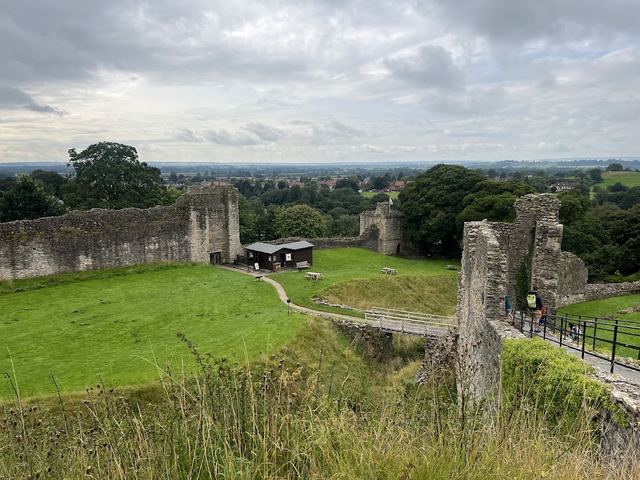
Pickering Castle
The slowest conversion on the roll. Founded in 1069, walled in stone around the inner bailey in the late twelfth century, and still timber round the outer bailey until Edward II's works of 1324 to 1326.
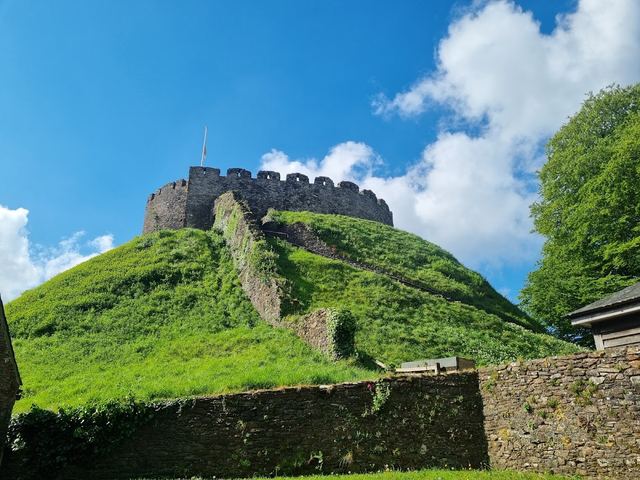
Totnes Castle
Raised by Juhel of Totnes around 1087, given its first stone shell keep about 1219, and rebuilt again for William, Lord Zouche, in the 1320s.
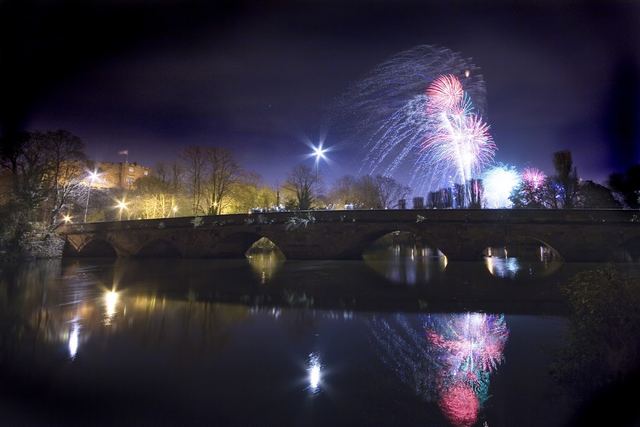
Tamworth Castle
An early conversion, though how early is argued. The bailey walling carries herringbone masonry of a kind usually dated to the late eleventh or early twelfth century, while the shell keep on the mound has been dated as late as the 1180s.
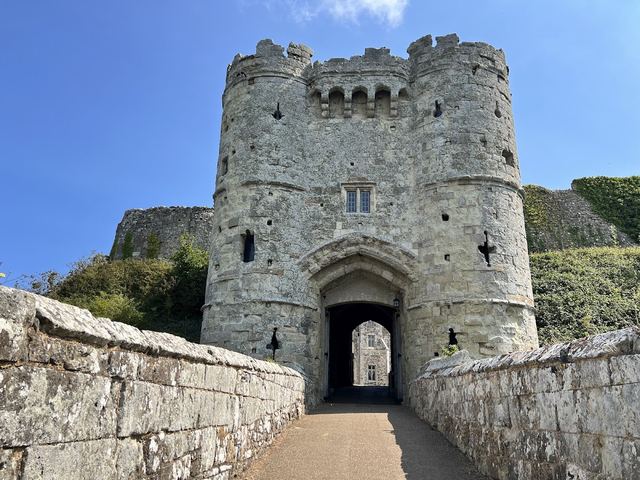
Carisbrooke Castle
The Norman timber tower on the motte gave way to a stone shell keep during the twelfth century, and the castle went on being rebuilt for defence into the Elizabethan period.
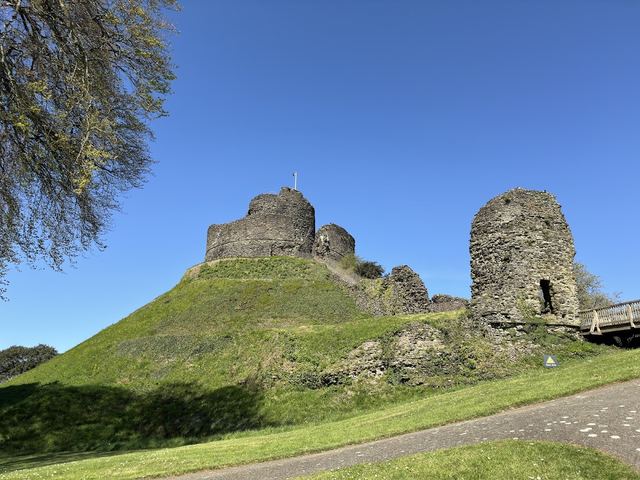
Launceston Castle
A shell keep of the late twelfth century. Richard, Earl of Cornwall, built a second, taller round tower inside the ring and rebuilt the bailey in stone in the mid thirteenth century.
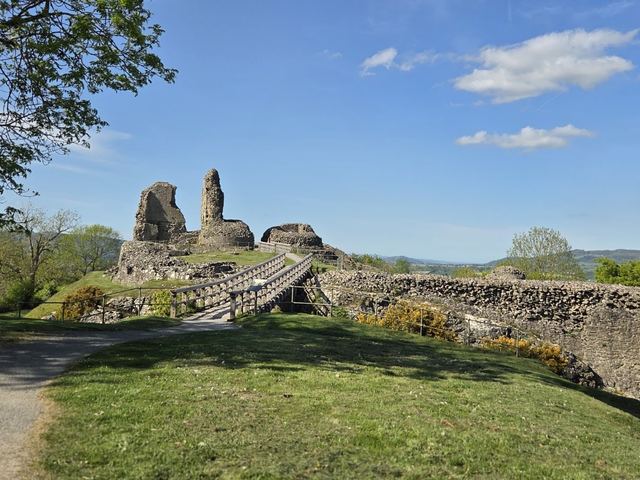
Montgomery Castle
The castle that shows conversion was a choice. Instead of rebuilding the timber castle at Hen Domen a mile away, Henry III began a new stone castle on this rock between 1223 and 1234, and the town followed it.