Guide No. 42 · The Castle Rolls
The Castles of the Welsh Princes
The usual story of castles in Wales runs from Norman mottes straight to Edward I's great fortresses. In between, for about seventy years, the rulers of Gwynedd built stone castles of their own, and most of them still stand above the valleys they were built to hold.
Native Welsh castles are the stone castles built by Welsh rulers rather than by English kings or Anglo-Norman lords, almost all of them in the thirteenth century. Most belong to the princes of Gwynedd: Llywelyn ab Iorwerth, known as Llywelyn the Great (died 1240), and his grandson Llywelyn ap Gruffudd, known as Llywelyn the Last (killed 1282). Others were raised by the rulers of Powys and Deheubarth. They're smaller than Edward I's castles, follow the shape of the rock they stand on, and often use a long D-shaped tower that historians treat as a Welsh signature. Dolbadarn, Dolwyddelan, Castell y Bere, Criccieth and Ewloe are the best known.
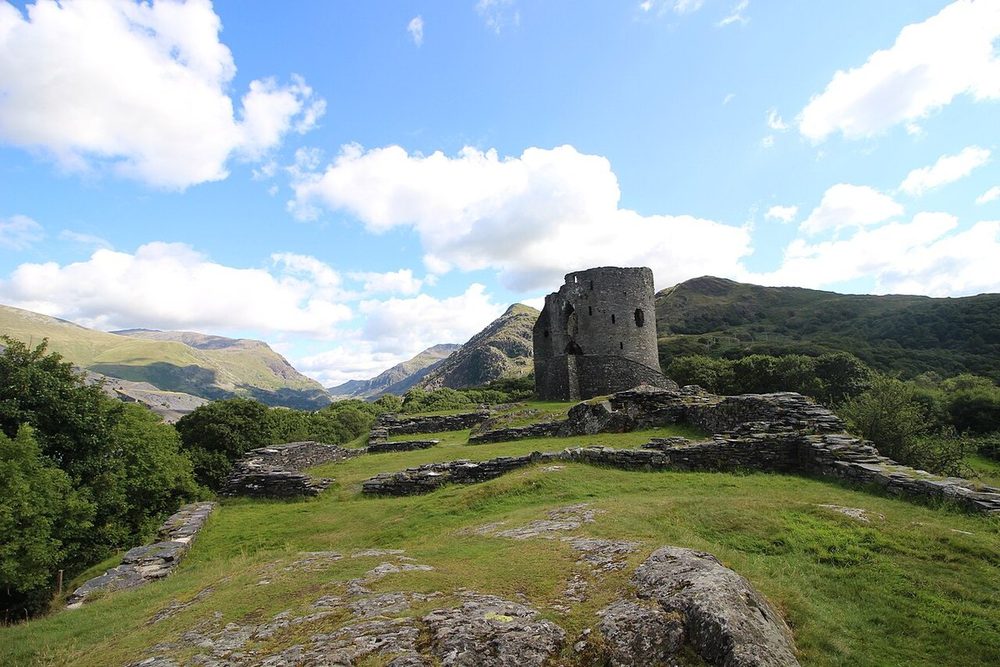
Why the princes built in stone
Welsh rulers had built castles since the twelfth century, almost all in earth and timber. The Lord Rhys of Deheubarth is recorded building in stone at Cardigan in 1171, but little of that survives. Building in stone on a large scale came with Llywelyn ab Iorwerth, who by the late 1210s had made himself the dominant power in Wales from his base in Gwynedd. His castles sit at the edges and entrances of that mountain heartland. Dolwyddelan stands over the Lledr valley. Dolbadarn sits at the foot of the Llanberis Pass. Castell y Bere, founded in 1221 below Cadair Idris, held his southern frontier, and Llywelyn took the site from his own son Gruffudd to build it. Criccieth, on its headland above Cardigan Bay, watched the coast.
These were the castles of a prince securing his own ground. They held routes, valleys and coastline, and they gave a ruler places to keep his household, his prisoners and his supplies. Dolbadarn is the clearest example of the prison role: Llywelyn ap Gruffudd is thought to have held his elder brother Owain Goch there for about twenty years after defeating him in 1255.
The film above comes from Visit Eryri, a small channel with about 1,300 subscribers, but its eight-minute film tells the story of the princes of Gwynedd and the castles, churches and royal palaces they left behind.
What makes a castle look Welsh
A native Welsh castle rarely has a regular plan. The builders took a rocky summit and ran the curtain wall around whatever shape it offered, so the courtyard is often long, narrow and uneven. The strength sits in one or two towers. At Dolwyddelan that tower is a rectangular keep. At Dolbadarn, Dinefwr and Dryslwyn it's round.
The most distinctive form is the apsidal tower: square at one end, rounded at the other, so that its plan looks like a stretched letter D. The south tower at Castell y Bere and the Welsh Tower at Ewloe are the best survivors. Criccieth's twin-towered inner gatehouse, raised by Llywelyn ab Iorwerth in the 1230s, shows the princes could also build the kind of gate English castles used. What none of them has is the concentric plan Edward I used at Beaumaris, Harlech and Rhuddlan, with one full ring of walls inside another.
Gwynedd wasn't the only builder. Castell Dinas Bran, on its hill above Llangollen, was built in stone in the 1260s or around 1270, probably by Gruffudd ap Madog, ruler of northern Powys. In the south-west the princes of Deheubarth held Dinefwr and probably founded Dryslwyn in the 1220s.
Llywelyn the Last and the end of the princes' castles
Llywelyn ap Gruffudd took his grandfather's project furthest. In 1267 the Treaty of Montgomery had Henry III recognise him as Prince of Wales. In 1273 he began Dolforwyn, facing the English lordship of Montgomery, and carried on building after Edward I wrote to forbid it. When war came in 1277, Roger Mortimer took Dolforwyn after a siege of about two weeks, and the garrison of Dinas Bran burned their own castle rather than hand it to the English.
The final war began in March 1282, when Llywelyn's brother Dafydd attacked Hawarden from his new castle at Caergwrle. Llywelyn was killed near Cilmeri in December 1282. Dolwyddelan fell to Edward's army in January 1283 and Castell y Bere surrendered in April. Within months Edward was building Conwy, Caernarfon and Harlech, and timber from Dolbadarn was taken for the work at Caernarfon. In the south, Rhys ap Maredudd rebelled from Dryslwyn in 1287 and lost it to an English siege that summer.
Why they get left out
Edward's castles are larger and far better preserved, and four of them share a World Heritage listing, so they dominate the story of castles in Wales. The princes' castles are ruins, usually on hilltops or in remote valleys, and many of their dates rest on thin written records. Ewloe shows the problem: historians still disagree over whether its Welsh Tower was built by Llywelyn ab Iorwerth some time after 1210 or by his grandson after 1257. They're also some of the easiest castles in Wales to visit: most are free, and a walk up to Dolbadarn or Castell y Bere shows the ground the princes were trying to hold.
Quick answers
What is a native Welsh castle?
A native Welsh castle is one built by a Welsh ruler rather than by an English king or an Anglo-Norman lord. The term usually means the stone castles of the thirteenth century, most of them raised by the princes of Gwynedd, Llywelyn ab Iorwerth and his grandson Llywelyn ap Gruffudd, with others built by the rulers of Powys and Deheubarth. Dolbadarn, Dolwyddelan, Castell y Bere, Criccieth and Ewloe are the best-known examples.
Who built castles in Wales before Edward I?
Two groups. Norman and Anglo-Norman lords built castles across south and east Wales from the 1060s onwards, and Welsh rulers built their own, first in earth and timber in the twelfth century and then in stone in the thirteenth. Llywelyn ab Iorwerth (Llywelyn the Great, died 1240) built Dolwyddelan, Dolbadarn, Castell y Bere and the inner gatehouse at Criccieth. His grandson Llywelyn ap Gruffudd built Dolforwyn and built or enlarged Ewloe.
What is an apsidal tower?
An apsidal tower is a long tower with one square end and one rounded end, so that its plan looks like an elongated letter D. Historians treat it as a characteristically Welsh form. The south tower at Castell y Bere and the Welsh Tower at Ewloe are the clearest surviving examples.
Can you visit the castles of the Welsh princes?
Yes. Dolbadarn, Dolwyddelan, Castell y Bere, Ewloe, Castell Dinas Bran, Dolforwyn and Dryslwyn are all free to visit, though most involve a walk from the nearest parking, and Dolwyddelan's keep interior opens on set days. Criccieth, on its headland above Cardigan Bay, charges for entry. Check opening details on each castle's page before you travel.
Did Edward I destroy the Welsh castles?
Mostly not. His armies captured several of them in 1282 and 1283 and some, including Dolwyddelan, Criccieth and Castell y Bere, were garrisoned and altered by the English for a time. They then lost their purpose and decayed. Some damage came from the Welsh themselves: the garrison of Castell Dinas Bran burned it in 1277 rather than let it fall to the English, and Owain Glyndwr's rising burned Criccieth around 1404.
Where to stand inside the idea
Ten castles on the roll built by the princes of Gwynedd, Powys and Deheubarth:
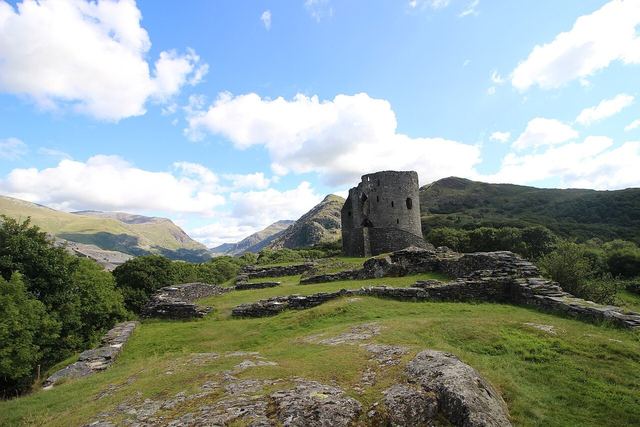
Dolbadarn Castle
A round tower above Llyn Padarn at the foot of the Llanberis Pass, built by Llywelyn ab Iorwerth in the early 13th century. His grandson Llywelyn ap Gruffudd is thought to have held his own brother Owain Goch prisoner here for about twenty years.
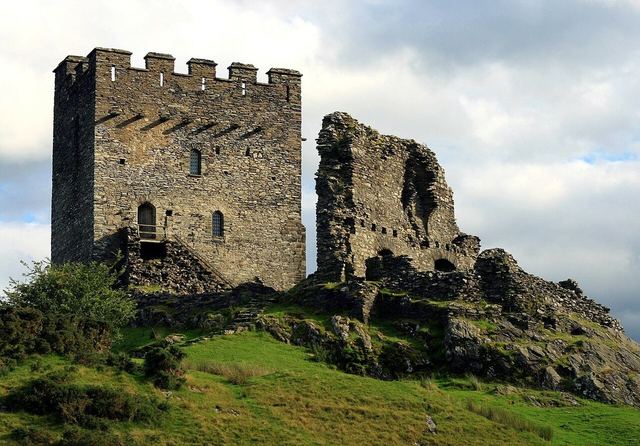
Dolwyddelan Castle
Llywelyn ab Iorwerth's rectangular keep above the Lledr valley, begun some time between about 1210 and 1240. It fell to Edward I in January 1283. The battlements on top date from a restoration of 1848-50.
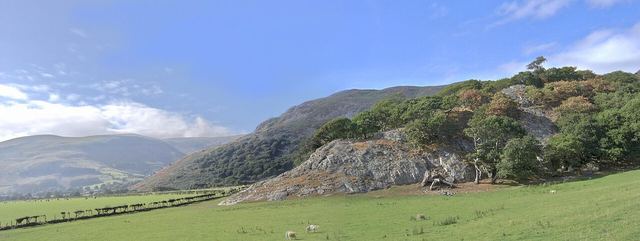
Castell y Bere
Founded by Llywelyn ab Iorwerth in 1221 below Cadair Idris, with two of the elongated D-shaped towers that mark Welsh building. It surrendered to Edward I in April 1283.
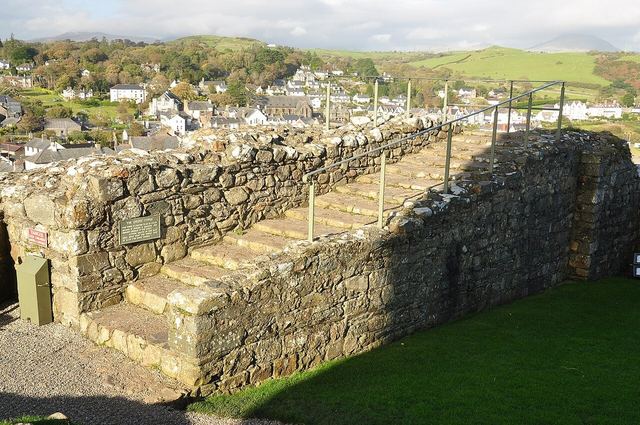
Criccieth Castle
Llywelyn ab Iorwerth raised the twin-towered inner gatehouse in the 1230s. The English heightened it after 1283, and Owain Glyndwr's rising burned the castle around 1404.
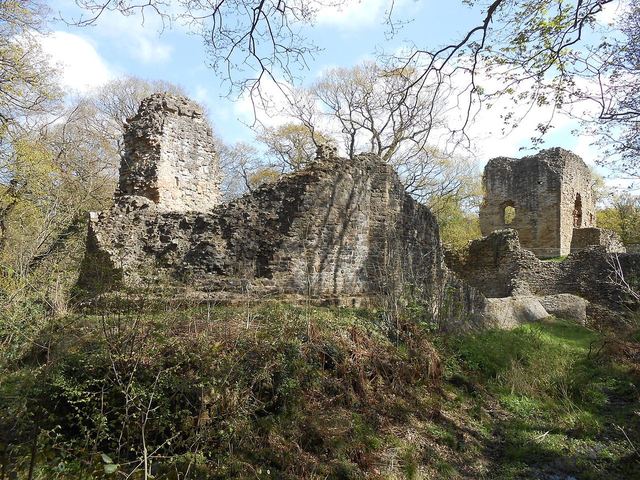
Ewloe Castle
Hidden in a wooded hollow instead of on a summit. Cadw says its apsidal Welsh Tower was probably built by Llywelyn ab Iorwerth some time after 1210. Coflein follows a 1311 record that dates the castle to his grandson in 1257.
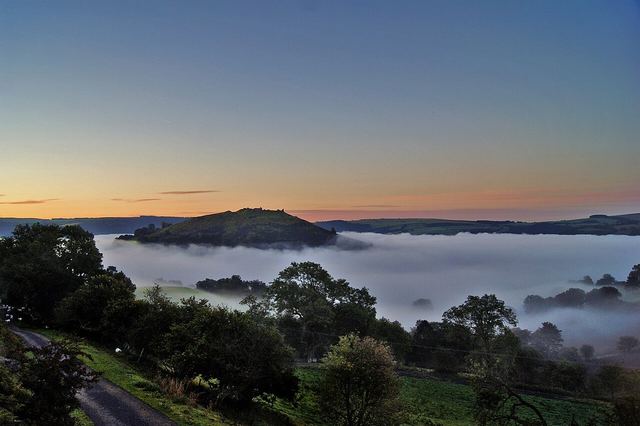
Castell Dinas Bran
Built in stone in the 1260s or around 1270, probably by Gruffudd ap Madog, ruler of northern Powys, on a hilltop above Llangollen. Its own garrison burned it in 1277 to keep it from the English.
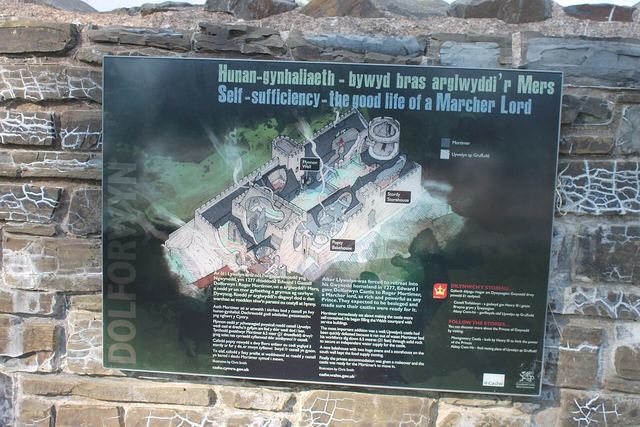
Dolforwyn Castle
Begun by Llywelyn ap Gruffudd in 1273, facing the English lordship of Montgomery, and continued after Edward I wrote to forbid it. Roger Mortimer took it in 1277 after a siege of about two weeks.
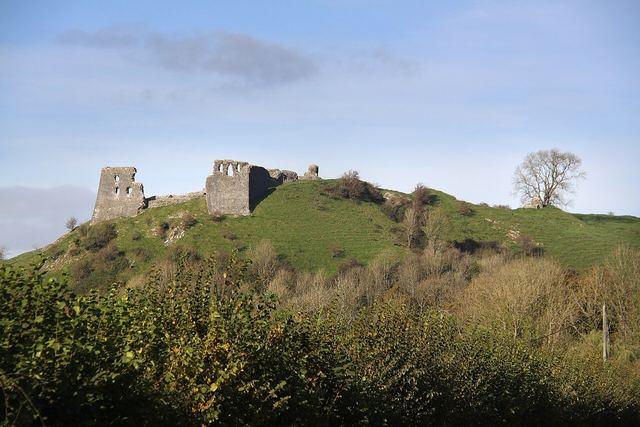
Dryslwyn Castle
Probably founded in the 1220s by the princes of Deheubarth on a hill above the Tywi. Rhys ap Maredudd enlarged it, rebelled in 1287, and lost it to an English siege that summer.
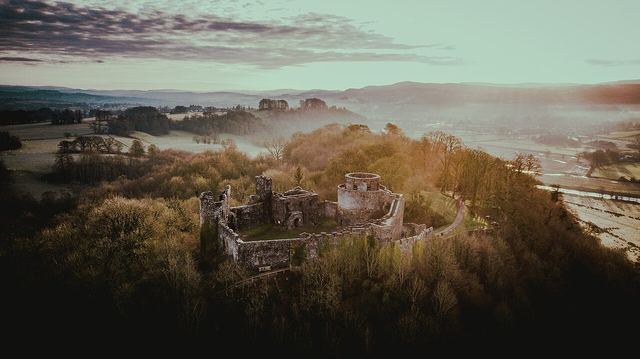
Dinefwr Castle
The traditional seat of the rulers of Deheubarth, above the Tywi near Llandeilo, reached on a walk through Dinefwr Park. Its round keep is 13th-century work.
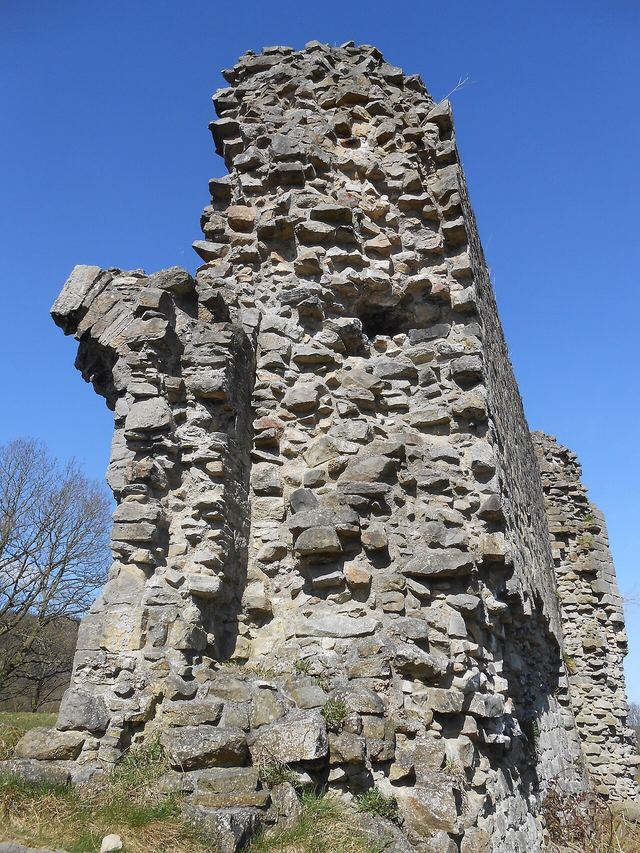
Caergwrle Castle
Begun by Dafydd ap Gruffudd after 1277 on land Edward I had granted him. His attack on nearby Hawarden in March 1282 opened the war that ended Welsh independence.