Guide No. 23 · The Castle Rolls
The Marcher Lords
Most great castles in Britain were built by kings, or by barons who had to ask a king first. Along the Welsh border, for four and a half centuries, neither was true - and the landscape still shows it.
The Marcher lords were the Anglo-Norman barons who conquered and held the borderland between England and Wales from the late eleventh century onwards. Because they took that ground by private conquest rather than receiving it as a royal grant, they held it almost as independent rulers - their own courts, their own law, their own wars, and the right to raise a castle wherever they liked without asking the crown. That single legal quirk is why the Welsh border carries one of the densest concentrations of castles anywhere in Britain, and why so few of them are royal.
A border nobody had drawn
"March" is simply an old word for a border district, from the same root as the German Mark. It described a zone rather than a line, and that vagueness was the point: unlike the Anglo-Scottish frontier, the England-Wales border had no agreed position at all. It was wherever the last castle stood.
William the Conqueror's answer to Wales in the years after 1066 was to install three of his most trusted men on the edge of it - Hugh d'Avranches as Earl of Chester, Roger de Montgomerie as Earl of Shrewsbury, and William fitz Osbern as Earl of Hereford - and then, in effect, to leave them to it. They were not being given a defensive brief. They were being told that whatever they could take from the Welsh kingdoms, they could keep, on their own terms. Fitz Osbern started building at Chepstow in 1067, one year after Hastings, in stone rather than the usual timber. He was not securing a frontier. He was opening a door.
Kings in all but name
What grew out of that arrangement was constitutionally strange, and it lasted. By the thirteenth century the March was not England and not the Principality of Wales but a patchwork of dozens of separate lordships, each run as a miniature kingdom. A Marcher lord kept his own courts and applied his own blend of English and Welsh law. He took the lands of felons convicted in those courts instead of forfeiting them to the crown. He could found markets, boroughs and forests, rights normally reserved to a king. He was largely beyond royal taxation. Contemporaries described the status in Latin as sicut regale - like unto a king.
Most consequential of all, for anyone looking at the map today: he did not need a licence to crenellate. An English baron who wanted to fortify his house applied to the crown and often waited. A Marcher lord simply built. Add to that a frontier being taken and retaken piece by piece against Welsh rulers who never accepted the loss, plus lords who fought each other nearly as often as they fought the Welsh, and the result is exactly what survives: hundreds of castles, most of them private, many of them small, packed into a strip of country a few dozen miles wide.
The families
The March was run by dynasties rather than institutions, and a handful of them shaped it. The de Braose family held Abergavenny, Brecon and Radnor, and left the worst single story in the region's history: at Christmas 1175 William de Braose invited Seisyll ap Dyfnwal and other Welsh leaders to a feast at Abergavenny, asked them to leave their weapons at the door, and had them killed in the hall. He was remembered afterwards as the Ogre of Abergavenny, and the killing was avenged on his lands seven years later. The same family held Hay on the upper Wye.
The Mortimers of Wigmore were the ones who mattered most in the end. From Wigmore they accumulated lordships across the central March and married into royal blood, and in 1327 Roger Mortimer deposed and replaced Edward II in all but title, ruling England for three years before his own execution. A cousin built Chirk in the 1290s, which is still lived in seven centuries later. The Mortimer claim to the throne passed by marriage into the house of York and became, a century after that, one of the roots of the Wars of the Roses. A family made powerful by a lawless border ended up deciding who wore the English crown.
Three castles, one lordship
Not every Marcher holding was a single great fortress. In Gwent, White Castle, Skenfrith and Grosmont were held together as one lordship and worked as one defensive system, covering the approaches between the Monnow and the Usk. Hubert de Burgh rebuilt all three in the early thirteenth century, and because none of them later became a country house, all three survive as fairly pure medieval ruins. Two are free to walk into. They are the best surviving demonstration of how a Marcher lordship actually held ground: not with one enormous castle, but with a network of ordinary ones.
By the late thirteenth century, parts of the March had been held long enough to feel safe. Stokesay is the proof - a wool merchant's house, licensed in 1291, with a great hall of broad windows and a timber-framed range that nobody would build if they seriously expected to be attacked. It is the same shift the border would take another two and a half centuries to complete.
How it ended
Edward I's conquest of Gwynedd in the 1280s removed the independent Welsh princes the Marcher lords had been fighting, and with them the original justification for the whole arrangement - though the lordships themselves carried on for another two hundred and fifty years, increasingly an anomaly. The crown chipped away at them. Edward IV set up a council at Ludlow in 1472 to govern the border in his son's name, quietly inserting royal administration into a region that had never had any.
The formal end came under Henry VIII. The Laws in Wales Acts of 1535 and 1542 abolished the lordships' jurisdiction in 1536 and reorganised the March into five new Welsh counties - Monmouthshire, Brecknockshire, Radnorshire, Montgomeryshire and Denbighshire - with the rest attached to existing counties on either side. The Council in the Marches of Wales, permanently seated at Ludlow, governed what was left until it was abolished in 1689. Four and a half centuries of private lordship ended in an act of parliament, and what it left behind was the castles: too many of them, too close together, built by men who never had to ask.
Quick answers
Who were the Marcher lords?
The Marcher lords were the Anglo-Norman barons who conquered and held the borderland between England and Wales from the late 11th century onwards. Because they took their lands by private conquest rather than receiving them as a grant from the king, they governed them almost as independent rulers: with their own courts, their own law, and the right to build castles and wage war without asking permission. Families like the Mortimers of Wigmore, the de Braoses and the de Clares held these lordships for centuries.
What were the Welsh Marches?
The Welsh Marches were the frontier zone along the England-Wales border, roughly covering modern Herefordshire, Shropshire, Monmouthshire, Powys and the Gwent and Glamorgan lowlands. The word comes from an old term for a border district, related to the German Mark. The March was neither England nor the Principality of Wales but a patchwork of dozens of separate lordships, each effectively its own small country.
What powers did Marcher lords have that ordinary barons did not?
A great deal. A Marcher lord ran his own courts and administered his own mixture of English and Welsh law, kept the lands of convicted felons instead of forfeiting them to the crown, could create markets, boroughs and forests, was largely exempt from royal taxation, and could raise a castle without the royal licence to crenellate that an English baron needed. Some Marcher lords even waged private war on each other. The contemporary phrase for this status was sicut regale - like unto a king.
Why are there so many castles on the Welsh border?
Because nobody had to ask permission to build one, and everybody had a reason to. Marcher lords could fortify at will, they were conquering the ground piece by piece against Welsh rulers who kept taking it back, and they quarrelled among themselves as much as with the Welsh. The result is one of the densest concentrations of castles anywhere in Britain, most of them private baronial works rather than royal ones.
When did the Marcher lordships end?
Their jurisdiction was abolished in 1536 under Henry VIII's Laws in Wales Acts of 1535 and 1542. The lordships were swept together into five new Welsh counties - Monmouthshire, Brecknockshire, Radnorshire, Montgomeryshire and Denbighshire - with the remainder attached to existing counties on both sides of the line. Government of the region passed to the Council in the Marches of Wales, seated at Ludlow Castle, which lasted until 1689.
Where to stand inside the idea
Ten castles on the roll built by, or in the shadow of, the Marcher lords - from the first stone castle of the Conquest to a merchant's house that shows the danger passing:
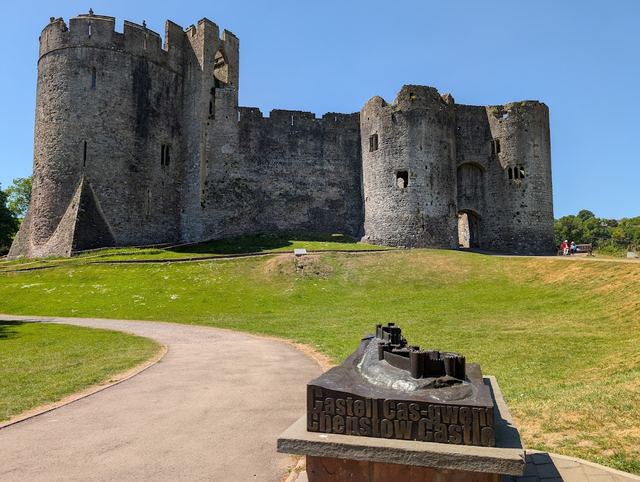
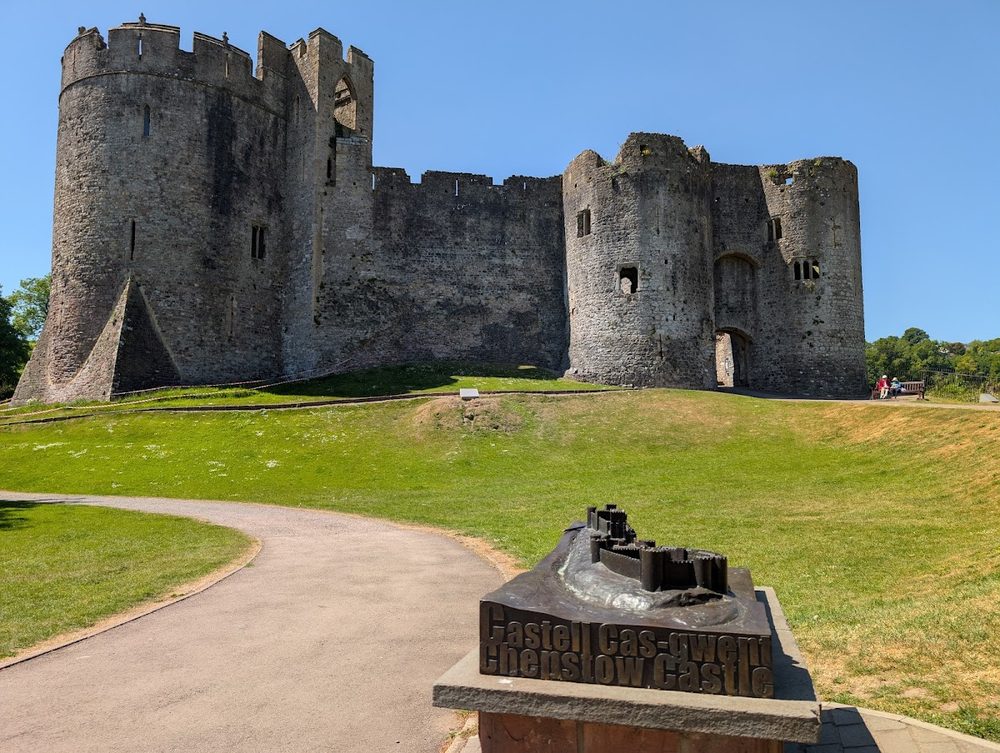
Chepstow Castle
Begun by William fitz Osbern in 1067, within a year of the Conquest, and reckoned Britain's oldest surviving post-Roman stone castle. It sits on a cliff above the Wye at the gateway into south Wales.
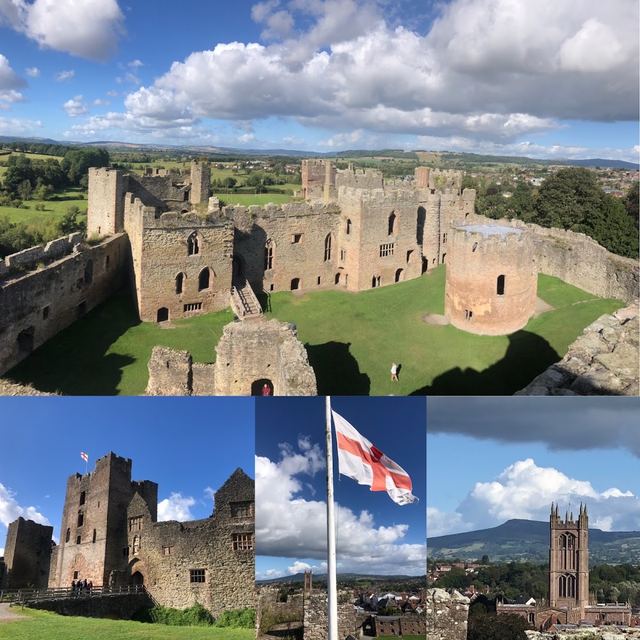
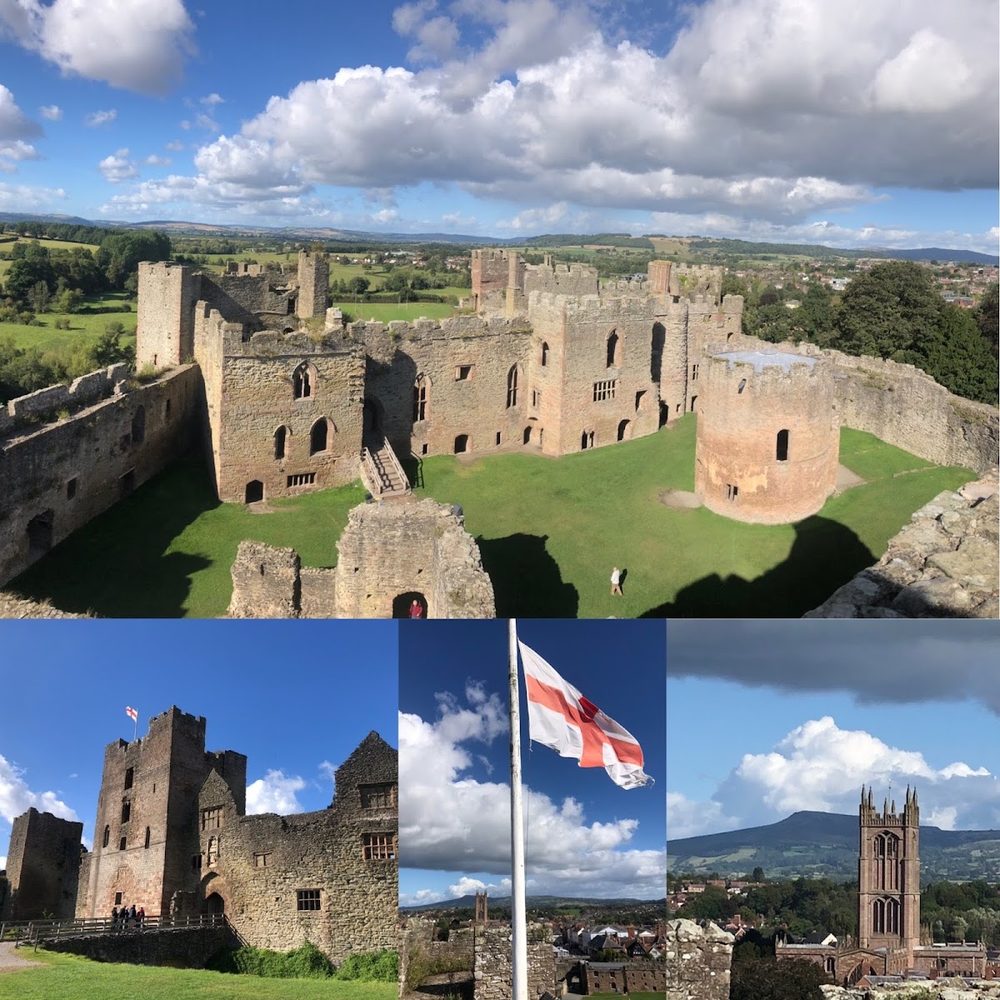
Ludlow Castle
Founded by the de Lacys, later a Mortimer seat, and finally the headquarters of the Council in the Marches of Wales - the capital of the March in all but name.
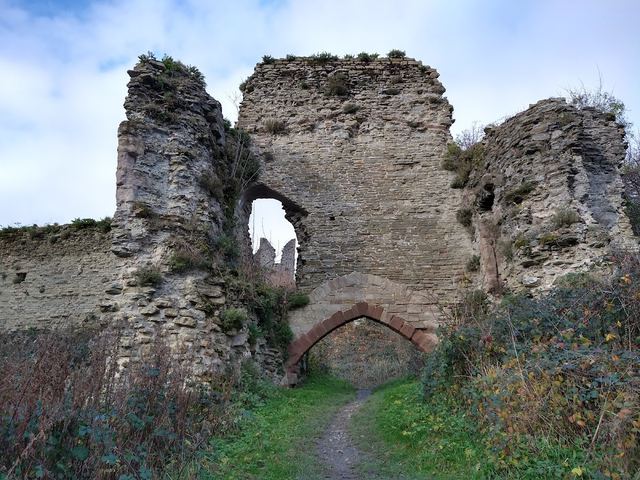
Wigmore Castle
The Mortimers' own seat, and the base from which the greatest of the Marcher dynasties reached for the English crown itself. Conserved as a ruin rather than cleared, with much of its masonry still buried in its own collapse.
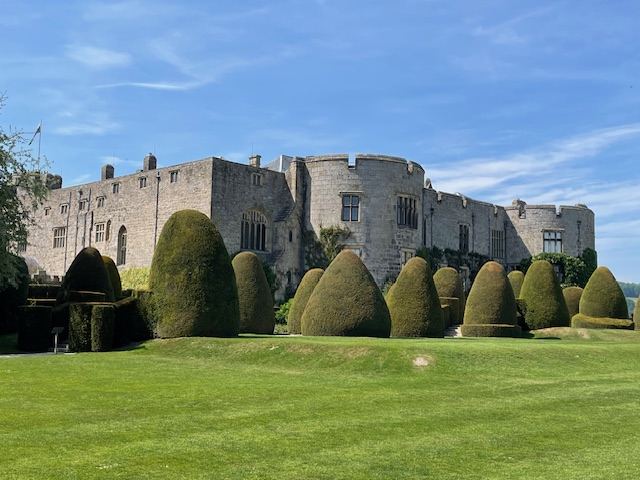
Chirk Castle
Begun by Roger Mortimer of Chirk in the 1290s and lived in ever since - the rare Marcher castle that never became a ruin at all.
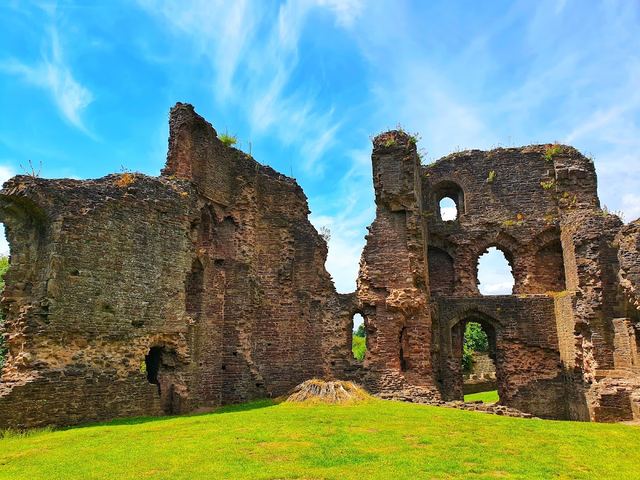
Abergavenny Castle & Museum
Where William de Braose invited Seisyll ap Dyfnwal and other Welsh leaders to a Christmas feast in 1175 and had them killed in the hall. Free to walk, with a museum in the grounds.
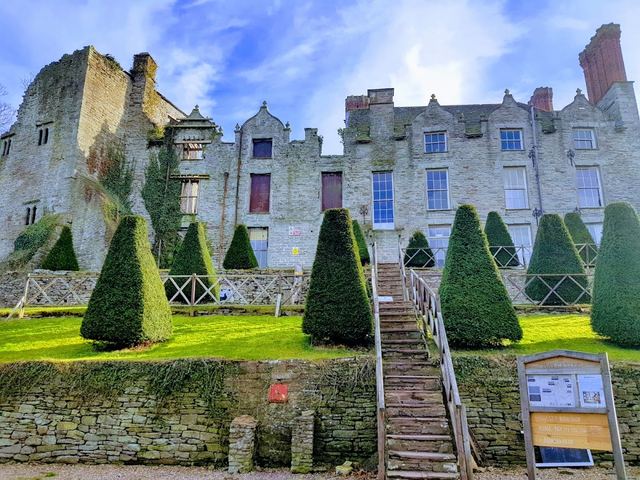
Hay Castle
A de Braose castle above the Wye, reopened in 2022 after a long restoration - the Norman gateway and tower now standing over a town far better known for its books.
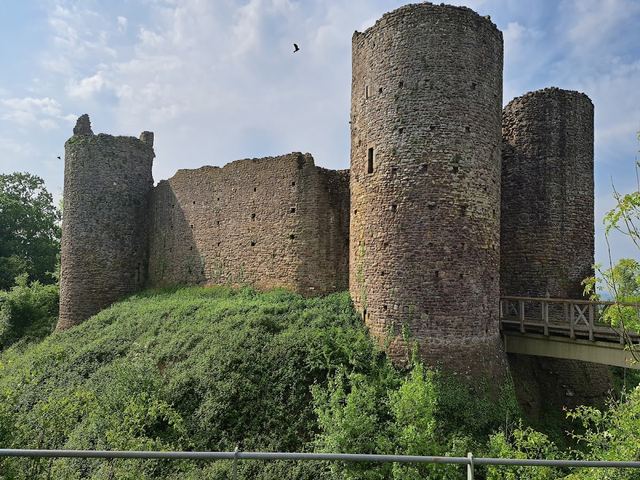
White Castle
The best preserved of the Three Castles of Gwent, its moat still holding water. Three fortresses held as one lordship and rebuilt as a single system, and free to visit.
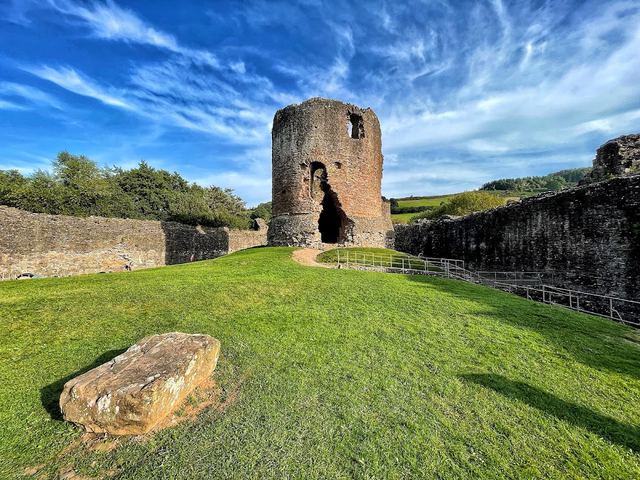
Skenfrith Castle
The second of the Three Castles, standing beside the River Monnow with its round keep largely intact - Hubert de Burgh's rebuilding of the early 1200s. Also free.
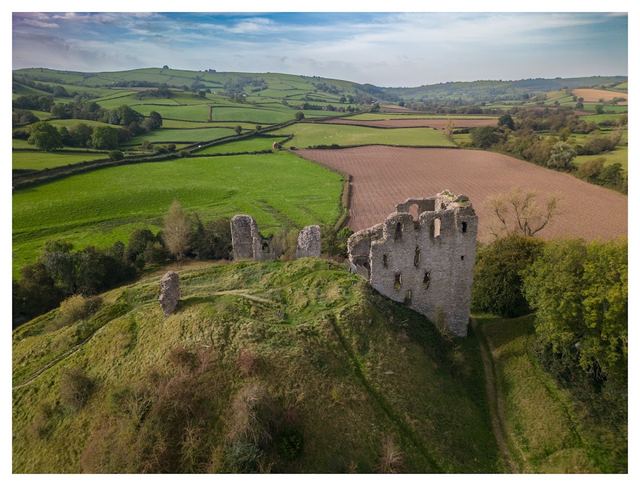
Clun Castle
A FitzAlan stronghold in south Shropshire, with a great tower built into the side of the motte rather than on top of it - an unusual answer to an awkward mound.
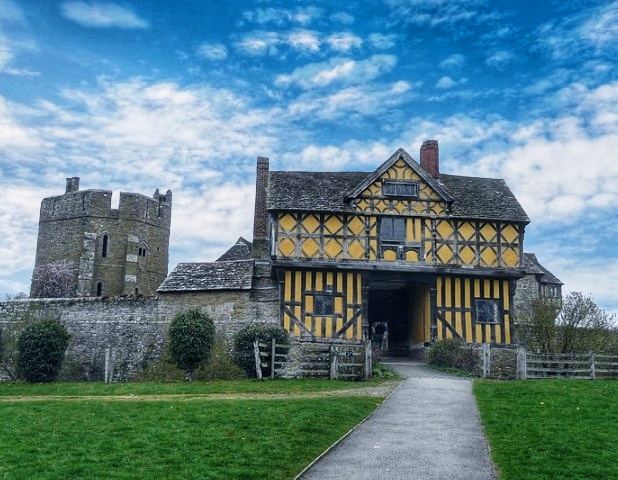
Stokesay Castle
Not a Marcher lord's castle at all but a wool merchant's fortified manor, licensed in 1291 - proof that parts of the March had by then grown rich and calm enough to build for comfort.