Guide No. 26 · The Castle Rolls
Scotland's Royal Castles
Scotland has hundreds of castles and only a handful were ever the king's. Those few had to do everything at once: house the court, hold the treasure, garrison the country and, when it came to it, lock people up.
A royal castle in Scotland was one held by the crown itself rather than by a noble family. It was kept by a constable or captain answering to the king, paid for from royal revenue, and put to whatever use the moment demanded: residence, garrison, arsenal, treasury, record store, prison. The list was never fixed, because kings granted castles away to loyal families and took forfeited ones back. Edinburgh and Stirling stayed royal throughout; the rest came and went with the politics.
The ones the crown could not do without
Four castles turn up again and again in the medieval records as the strategic core of the kingdom: Berwick, Roxburgh, Edinburgh and Stirling. The clearest measure of what they were worth is what happened in 1174, when William the Lion was captured at Alnwick and the terms dictated to him included handing those castles over to the English crown. They were the price of a king.
Two of the four are no longer Scottish castles in any practical sense. Berwick changed hands repeatedly and ended up in England. Roxburgh, once one of the most important royal castles in the country, is now a large green mound and a few stumps of wall above the Tweed. It was held by the English for most of the fourteenth and fifteenth centuries, and James II was killed beneath it in 1460 when one of his own siege guns burst. The Scots took it days later and pulled it down so that nobody could hold it against them again.
That left Edinburgh and Stirling, and they divided the work between them. Edinburgh was the strongbox: the regalia, the state records and the guns lived there, and it was besieged more often than anywhere else in Britain. Stirling was the residence and the gate, sitting where the Forth narrows and the roads north converge.
The Stewarts and their smaller houses
The picture changes in 1371, when the crown passed to Robert Stewart as Robert II and the first Stewart king brought his own western estates with him. He built Dundonald in Ayrshire on his accession, kept it as his favourite house, and died there in 1390. He used Rothesay on Bute often enough that when Robert III created Scotland's first dukedom in 1398 for his eldest son, the title he chose was Duke of Rothesay. It is still the title carried by the heir to the throne in Scotland.
Doune arrived by a less happy route. It was built for Robert Stewart, Duke of Albany, who governed Scotland for decades while the king was a prisoner in England, and it fell to the crown in 1425 when his son Murdoch was executed for treason. After that it was run by an appointed keeper and used as a hunting lodge, and it passed in turn to three widowed queens as a dower house: Mary of Guelders, Margaret of Denmark and Margaret Tudor.
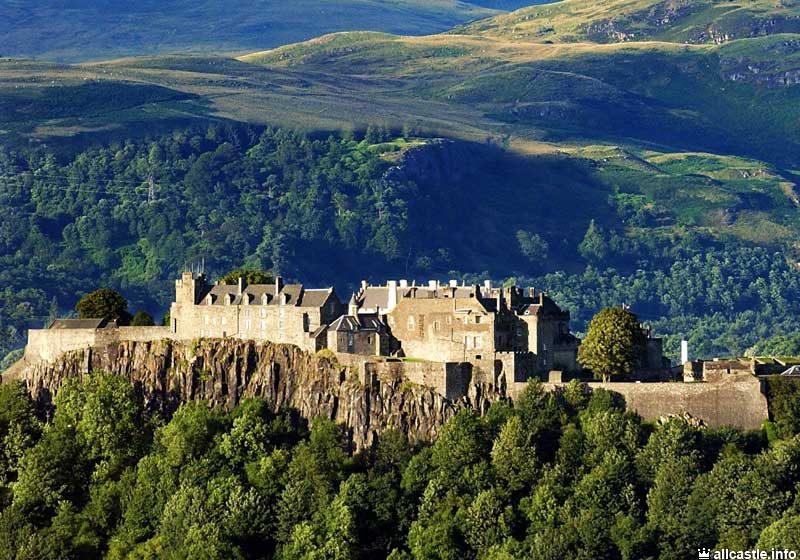
What the later Stewarts spent real money on was comfort. Stirling was rebuilt three times over: James IV's great hall in the early 1500s, James V's palace block in 1538 to 1542 with its carved facade and the Stirling Heads on the ceilings, and James VI's Chapel Royal, put up in 1594 for his son's baptism. The crown's most modern residences were not castles at all by then, but the palaces at Linlithgow and Falkland, which were built for a court rather than a siege.
The working end of the job
Most royal castles were not places the king slept. They were the machinery of holding a kingdom together, and they were run by keepers who treated the post as a family asset. Dumbarton guarded the Clyde from a volcanic rock that had been fortified since it was the capital of the kingdom of Strathclyde, centuries before Scotland existed as one country; it was from Dumbarton that the five-year-old Mary sailed for France in 1548. Urquhart on Loch Ness was fought over for two hundred years, granted to the Grants in 1509 to save the crown the trouble, and finally blown up in 1692.
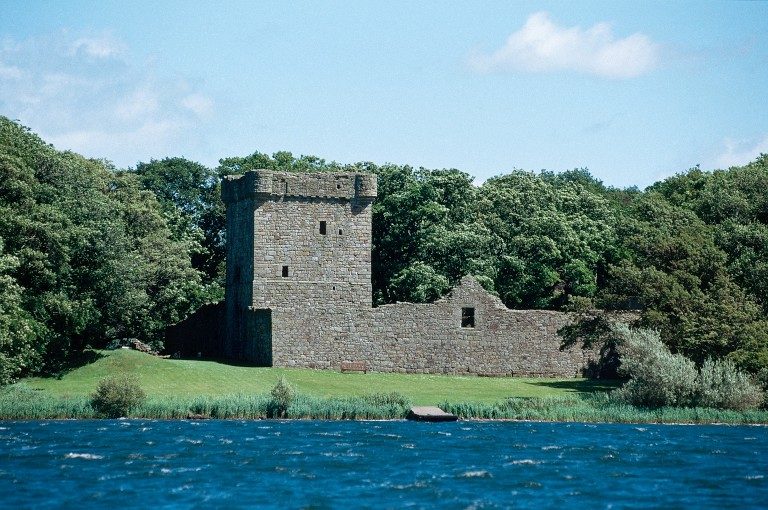
The darker jobs came with the territory. Blackness came to the crown in 1453 along with the Crichton lands and became a state prison, holding men as senior as Cardinal Beaton, before being rebuilt as an artillery fortress on the Forth. Lochleven was a modest royal tower on an island until 1567, when it became the most consequential prison in Scottish history: Mary was held there from June, forced to abdicate in favour of her infant son on 24 July, and got out the following May. Kildrummy in Aberdeenshire was the crown's stronghold in the north, and it was where Robert Bruce sent his family for safety in 1306, shortly before it fell to an English siege.
Royal use did not always mean royal ownership, which is worth keeping straight. Craigmillar, three miles from the centre of Edinburgh, belonged to the Preston family throughout. Mary simply used it as somewhere to go when she wanted to be out of the city, which is how the plot against her husband came to be discussed there in 1566.
After 1603
The Union of the Crowns ended the residential story quickly. James VI rode south in 1603 to become James I of England and came back to Scotland once, in 1617. A castle with no court in it is a barracks with good masonry, and that is broadly what these became: garrisons, magazines and prisons through the civil wars, the Jacobite risings and long afterwards. Edinburgh, Stirling and Dumbarton all kept soldiers in them for centuries after the last king packed up, which is why so much of what you walk through at Stirling today is eighteenth-century military work sitting on Renaissance foundations.
The royal thread picked up again in a different form in 1852, when Prince Albert bought the Balmoral estate on Deeside and had a new castle built there. Balmoral is a private house rather than a crown fortress, and nothing about it was designed to be held against an army. That is the honest end of the line: the buildings that once did the crown's hardest work are now mostly in state care and open to anyone with the entrance fee, while the monarchy's actual Scottish addresses are a palace and a Victorian country house.
Quick answers
What was a royal castle in Scotland?
A royal castle was one held by the crown itself rather than by a noble family. It was kept by a constable or captain who answered to the king, paid for out of royal revenue, and used for whatever the crown needed at the time: a residence, a garrison, an arsenal, a treasury, a place to hold state papers, and often a prison. Kings could and did grant royal castles away to loyal families, and forfeited noble castles came back the other way, so the list changed from reign to reign.
Which castles did the Scottish kings actually live in?
Edinburgh and Stirling are the two constants, and both were royal from the reign of David I in the early twelfth century onwards. The early Stewart kings favoured smaller western houses: Robert II built Dundonald in Ayrshire on his accession in 1371 and died there in 1390, and he used Rothesay on Bute regularly. Doune came to the crown by forfeiture in 1425 and served as a hunting lodge and a dower house for widowed queens. The crown also kept palaces at Linlithgow and Falkland, built for comfort rather than defence, which are a different building type from the castles here.
Which is the oldest of Scotland's royal castles?
Edinburgh and Stirling both go back to at least the early twelfth century as royal strongholds, and there was almost certainly a fortress on Edinburgh's rock long before that. The oldest building standing on either site is St Margaret's Chapel at Edinburgh, built in the 1130s and the oldest surviving building in the city. Dumbarton Rock was fortified centuries earlier still, as the capital of the kingdom of Strathclyde, though nothing of that period stands there now.
Where did Mary, Queen of Scots stay?
In a good many of these castles, in very different circumstances. She was crowned in the Chapel Royal at Stirling in 1543 at nine months old, sailed for France in 1548 from Dumbarton, gave birth to the future James VI at Edinburgh Castle in 1566, retreated to Craigmillar outside Edinburgh later that year, and was imprisoned on the island at Lochleven from June 1567, where she was forced to abdicate on 24 July 1567 before escaping the following May.
Are Scotland's royal castles still royal today?
Mostly not in any working sense. Edinburgh, Stirling, Dumbarton, Blackness, Urquhart, Doune, Rothesay and Lochleven are in state care under Historic Environment Scotland and open to visitors. The monarch's official residence in Scotland is the Palace of Holyroodhouse rather than a castle, and Balmoral on Deeside is privately owned, bought by Prince Albert in 1852 and rebuilt in the years that followed.
Where to stand inside the idea
Ten castles on the roll that the Scottish crown held, built, lived in or locked people up in:
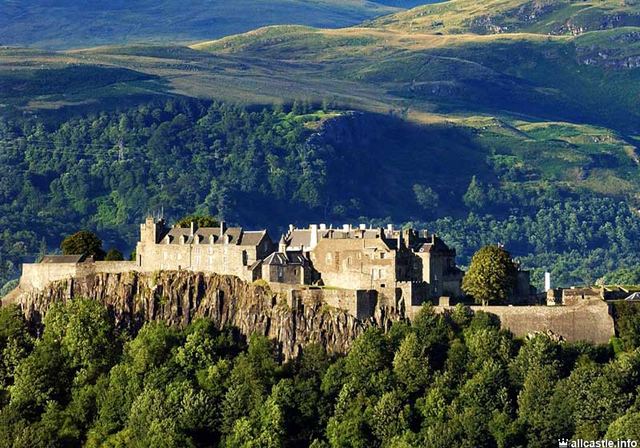
Stirling Castle
The crown's showpiece. James IV's great hall, James V's palace block and James VI's Chapel Royal stand together on one crag, and Mary was crowned here at nine months old.
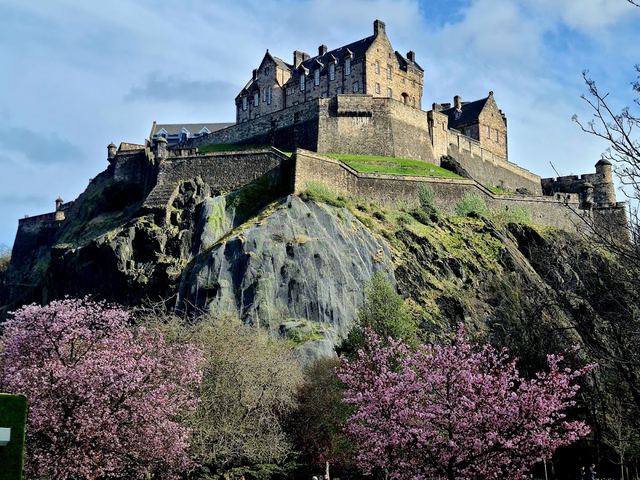
Edinburgh Castle
Royal from David I's reign, and the place the state papers, the regalia and, in 1566, the birth of the heir all happened. St Margaret's Chapel of the 1130s still stands at the top.
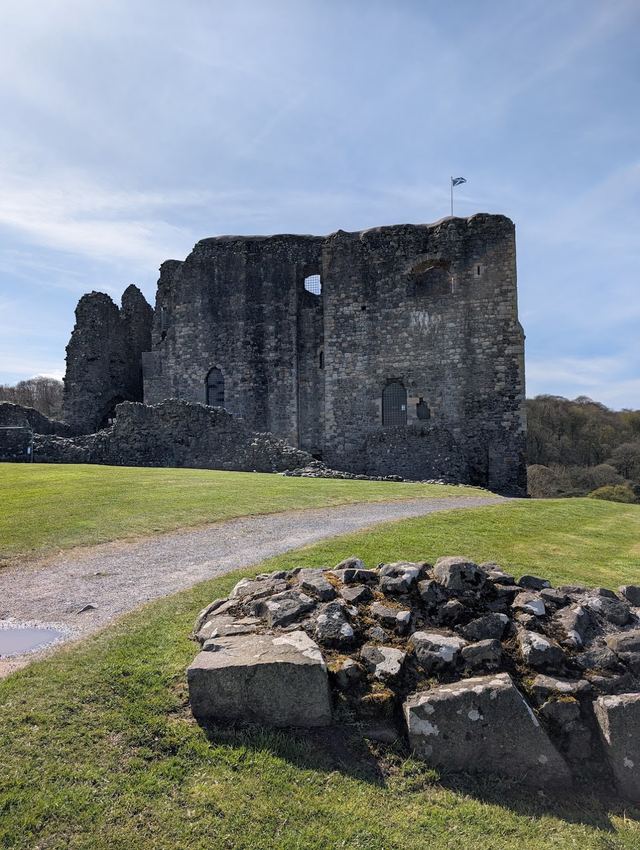
Dundonald Castle
Built for Robert II on his accession in 1371 and said to be his favourite house. He died here in 1390, and the early Stewart kings kept using it for well over a century.
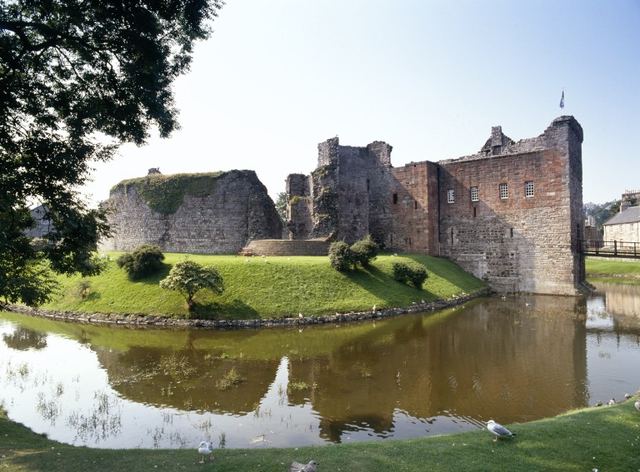
Rothesay Castle
A circular moated castle on Bute, a favoured residence of Robert II, and the castle that gave the heir to the Scottish throne his title when the dukedom was created in 1398.
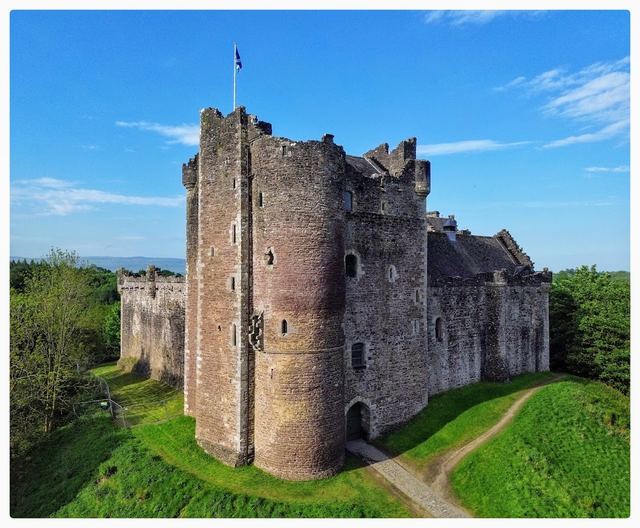
Doune Castle
Built for Robert Stewart, Duke of Albany, and forfeited to the crown in 1425 after his son's execution. It then served as a royal hunting lodge and as a dower house for three widowed queens.
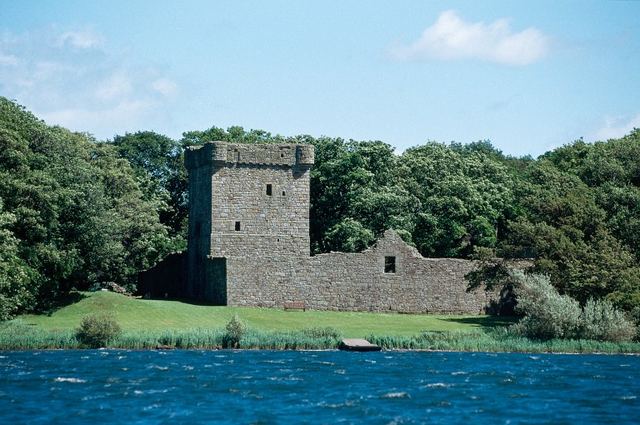
Lochleven Castle
A small royal tower on an island in the loch, reached by boat. Mary was held here from June 1567, forced to abdicate in July, and escaped the following May.
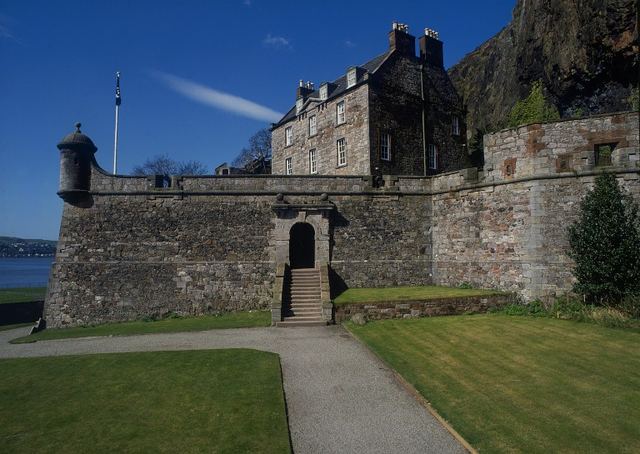
Dumbarton Castle
A royal fortress on a volcanic rock guarding the Clyde, fortified since long before the Scottish kingdom existed. Mary, aged five, sailed for France from below it in 1548.
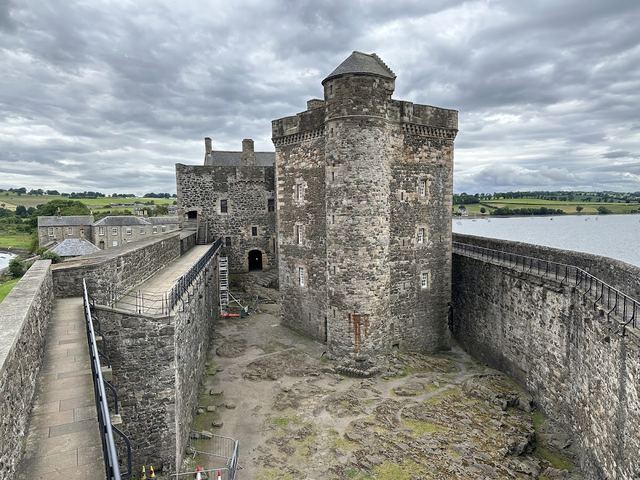
Blackness Castle
Came to the crown in 1453 with the Crichton lands and stayed there. It served as a state prison, then as a heavily rebuilt artillery fortress on the Forth.
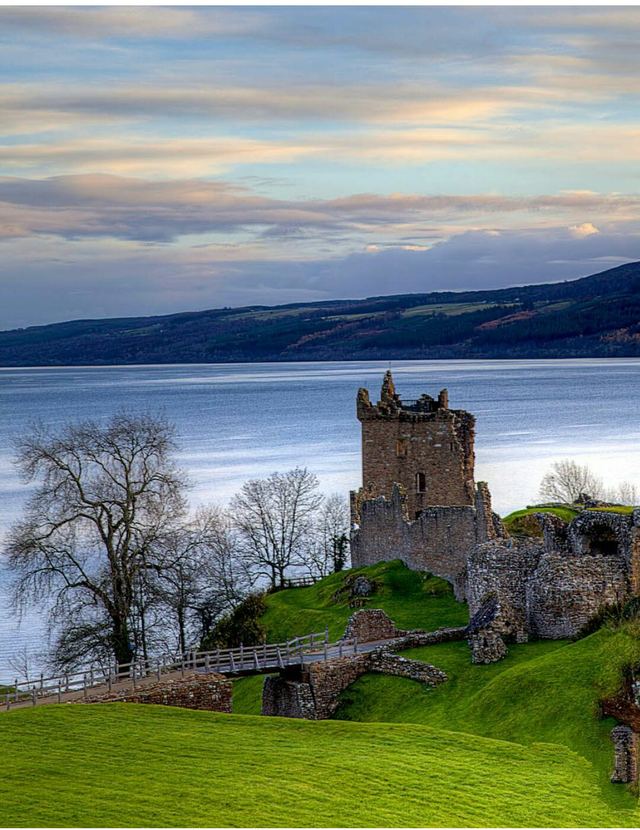
Urquhart Castle
A royal castle on Loch Ness fought over for two centuries, granted away to the Grants in 1509 and finally blown up in 1692 so that it could not be used against the government.
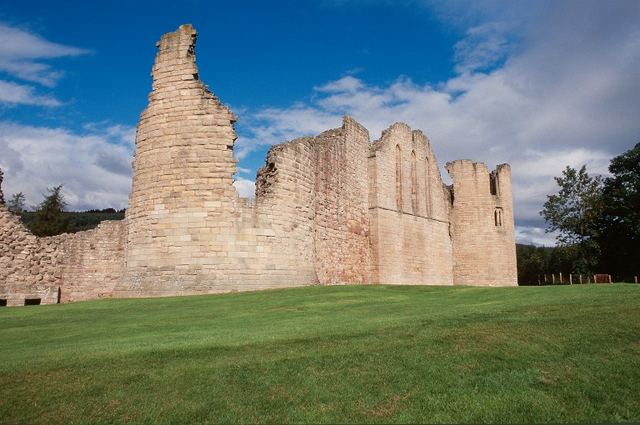
Kildrummy Castle
The crown's great northern stronghold, a shield-shaped thirteenth-century castle. Robert Bruce sent his family here in 1306, and it fell to an English siege soon afterwards.