Guide No. 16 · The Castle Rolls
Wars of the Roses Castles
England's 32-year royal civil war is remembered for its open-field slaughter - Towton, Barnet, Tewkesbury, Bosworth - not for sieges. But the castles still decided the war, just not by being attacked: they were the prizes, the family seats, and occasionally the execution sites that made and unmade kings.
The Wars of the Roses were a series of English civil wars fought between 1455 and 1487, between the royal houses of Lancaster and York, both descended from Edward III. Unlike the Norman Conquest or the Civil War a century and a half later, this was not primarily a war of sieges - most of the decisive fighting happened in open fields, because both sides needed a visible battlefield win to make their claim to the throne credible. Castles still mattered enormously, just in a different way: as the power bases that let great families like the Nevilles field armies in the first place, as prizes that changed hands with a lord's fortunes, and - more than once - as the place where a losing side's leaders were executed once the fighting was over.
A war fought mostly without sieges
It's worth saying plainly, because it cuts against what most people expect: castles were rarely the actual battlegrounds of the Wars of the Roses. Towton in 1461, the bloodiest battle ever fought on English soil, was fought in open snow-covered fields in Yorkshire. Barnet, Tewkesbury and Bosworth were the same - pitched battles in open country, not sieges. Both sides needed a decisive, visible victory to prove they held God's favour and the better claim to the crown; holing up behind stone walls didn't achieve that. The real exception was the north of England in the early 1460s, where Lancastrian loyalists held out in a genuine siege campaign at castles including Bamburgh and Alnwick, changing hands repeatedly before the Yorkists finally secured the region with artillery.
Castles as family power
What castles actually did was underwrite the great noble families whose private armies fought this war in the first place. No family illustrates this better than the Nevilles. Raby Castle was where Cecily Neville - later nicknamed 'Rose of Raby' - was born; she went on to marry Richard, Duke of York, and became mother to two Yorkist kings, Edward IV and Richard III. Barnard Castle was another Neville stronghold, later granted to Richard III himself, whose carved boar emblem still marks the ruins. And the family's most famous member, Richard Neville, Earl of Warwick, ran his power from Warwick Castle so effectively that history remembers him simply as 'the Kingmaker' - his full story is told on Warwick's own page, since one family's castle-biography is really the clearest single window into how this war actually worked.
Battlefield and execution site
When castles were fought over directly, it was often at the edges of the noble-family story rather than the centre of it. Sandal Castle is the starkest example: its earthworks mark the ground where Richard, Duke of York, was killed in battle just outside the walls in December 1460 - a defeat that briefly looked like it might end the Yorkist cause outright, before his son avenged him as Edward IV within four months. Middleham took a gentler path into the story: it was where the future Richard III actually grew up, under Warwick's guardianship, and later became his own favourite northern base once he held the crown himself.
Executions inside castle walls were, if anything, more common than sieges. At Ashby de la Zouch, William, Lord Hastings, was building a grand new tower when Richard III had him executed in 1483 - the tower was left unfinished. At Pontefract that same year, Richard had Earl Rivers, Richard Grey and Thomas Vaughan - the guardians of the young Edward V - put to death without trial, clearing the path to his own coronation. And at Caister Castle, the fighting took a more domestic form entirely: the Paston family, who inherited the castle from Sir John Fastolf, had to hold it against a full siege by the Duke of Norfolk in 1469, an episode recorded in unusual first-hand detail in the family's own surviving letters.
Quick answers
What were the Wars of the Roses?
The Wars of the Roses were a series of civil wars fought between 1455 and 1487 over the English throne, between the rival royal houses of Lancaster (badge: a red rose) and York (badge: a white rose), both descended from Edward III. The fighting ended with Henry Tudor, a Lancastrian claimant, defeating Richard III at Bosworth in 1485 and founding the Tudor dynasty.
Were castles actually fought over in the Wars of the Roses?
Less often than you might expect. Most of the decisive fighting - Towton, Barnet, Tewkesbury, Bosworth - happened in open fields, because both sides needed a visible battlefield victory to prove their claim to the throne, not a long siege. Castles mattered more as family power bases, prizes that changed hands with a lord's fortunes, and occasionally as execution sites, than as the primary battlegrounds themselves. The real exception was the north of England in the early 1460s, where a genuine siege campaign was fought over castles like Bamburgh and Alnwick.
Which castle is most associated with the Wars of the Roses?
Warwick Castle, power base of Richard Neville, Earl of Warwick - remembered as 'the Kingmaker' for his role in putting two different kings on the throne and then turning against the second one. Sandal Castle and Middleham Castle are the two other sites most directly tied to the war: Sandal is where Richard, Duke of York, was killed in battle in 1460, and Middleham was Richard III's own childhood home and favourite northern stronghold.
Can you still visit Wars of the Roses battle sites and castles today?
Yes - several of the castles most directly connected to the war are open to visitors, including Middleham, Sandal and Ashby de la Zouch. The actual battlefields (Towton, Barnet, Tewkesbury, Bosworth) are separately walkable sites, mostly open farmland with interpretation panels rather than visitor attractions in their own right.
Where to stand inside the idea
Nine castles from across the war, from a Yorkist battlefield motte to the tower a condemned man never finished building:
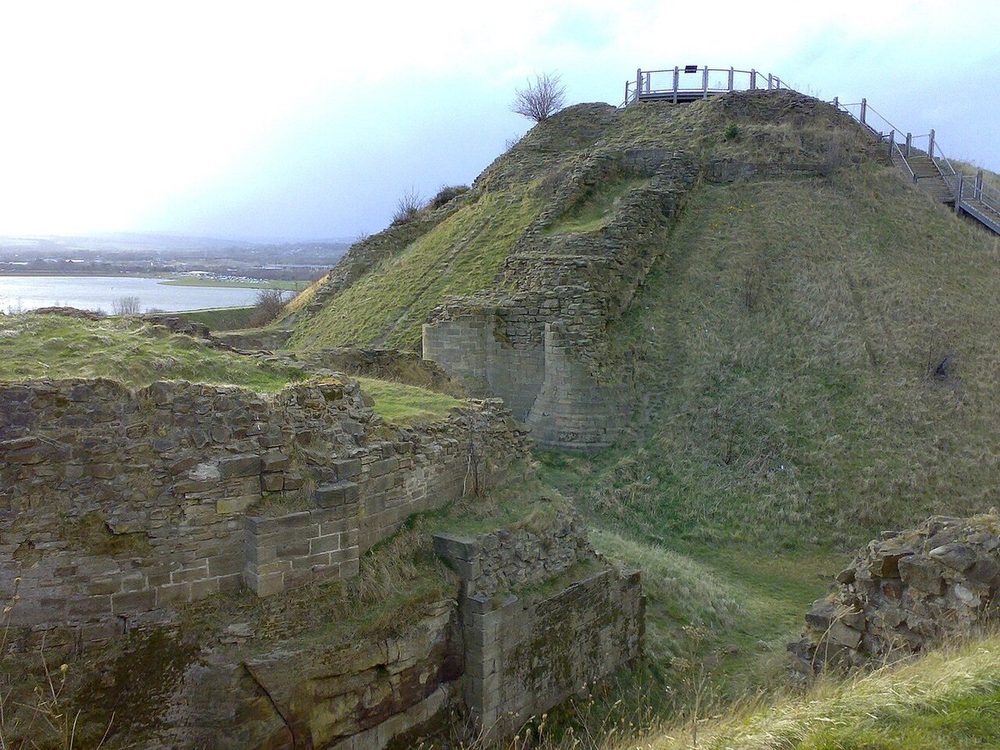
Sandal Castle
A Yorkist stronghold whose earthworks mark the ground where Richard, Duke of York, was killed at the Battle of Wakefield in 1460 - a defeat that briefly looked fatal to the Yorkist cause, before his son avenged him as Edward IV within months.
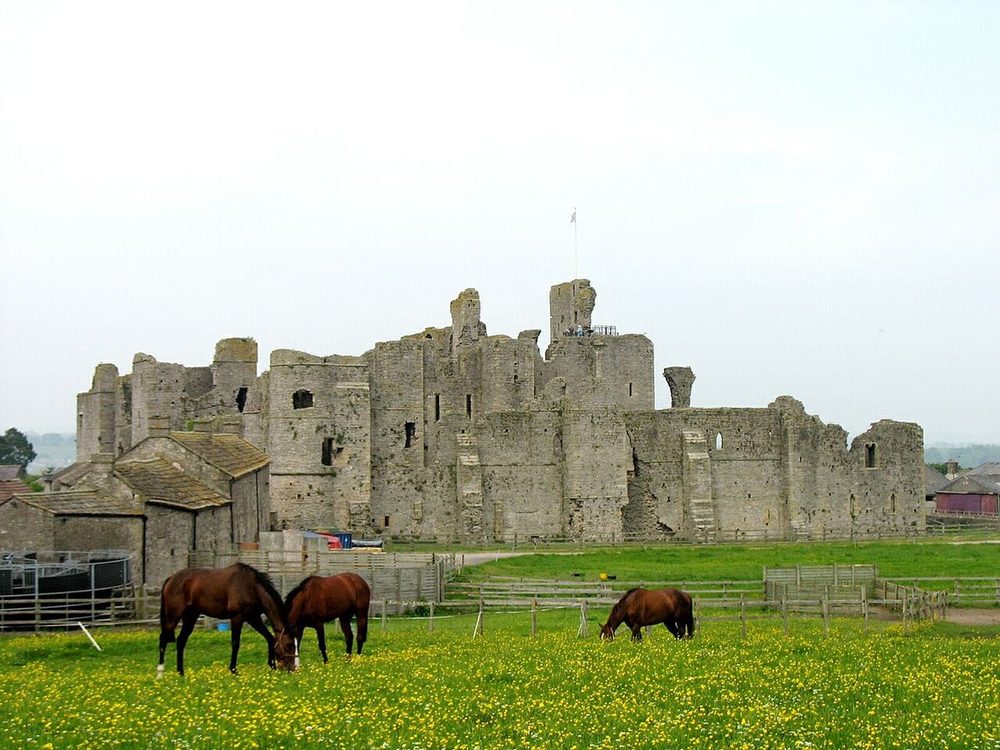
Middleham Castle
Richard III's childhood home and later one of his favourite northern strongholds - the extensive ruins are the single site on the roll most personally tied to a Wars of the Roses king.
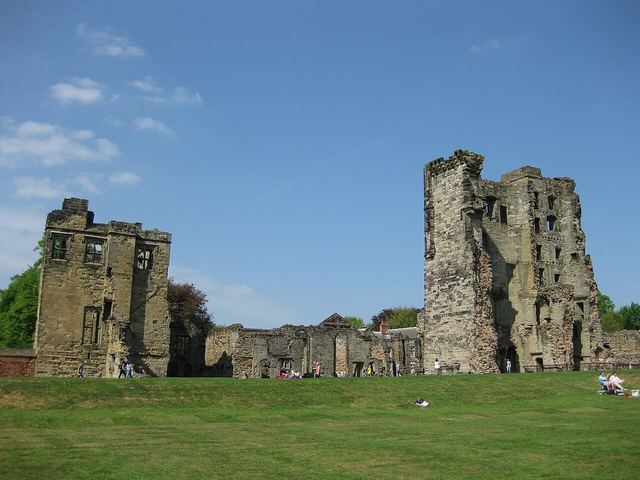
Ashby de la Zouch Castle
Built up by William, Lord Hastings, in the 1470s - his grand new tower was left unfinished when Richard III had him executed in 1483, one of the war's most abrupt reversals of royal favour.
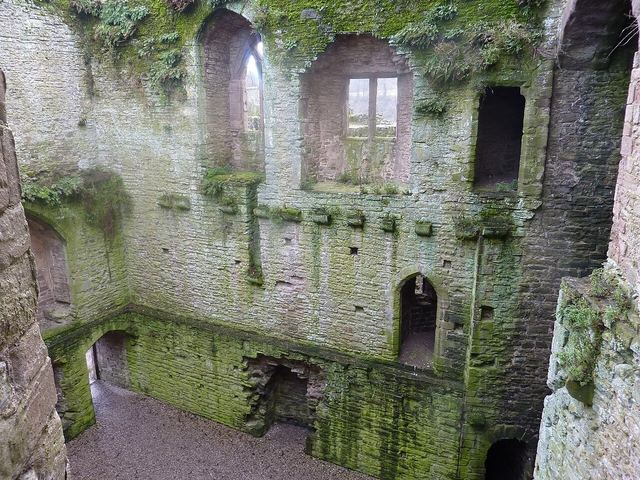
Ludlow Castle
The principal stronghold of Richard, Duke of York, and the childhood home of his son, the future Edward IV - Yorkist forces retreated here before the town was sacked by a Lancastrian army in 1459.
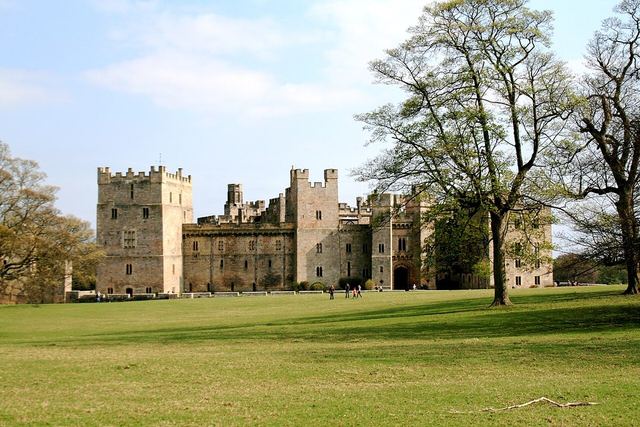
Raby Castle
Built by the Neville family and the birthplace of Cecily Neville, 'Rose of Raby' - mother to two Yorkist kings, Edward IV and Richard III, and grandmother to a third generation that never got the chance to rule.
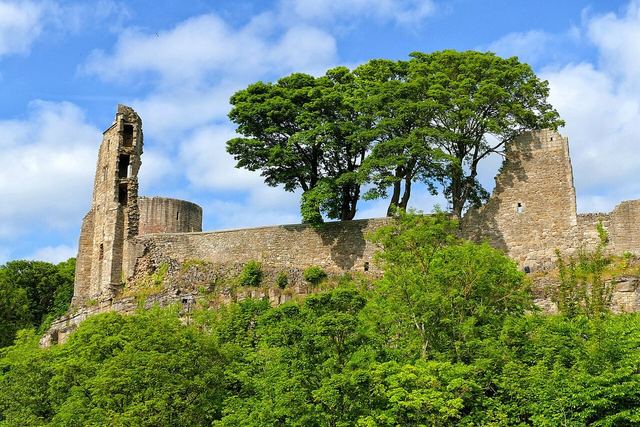
Barnard Castle
Held by the Neville family - the same family that produced Warwick 'the Kingmaker' - and later granted to Richard III himself, whose boar emblem is still carved into the ruins.
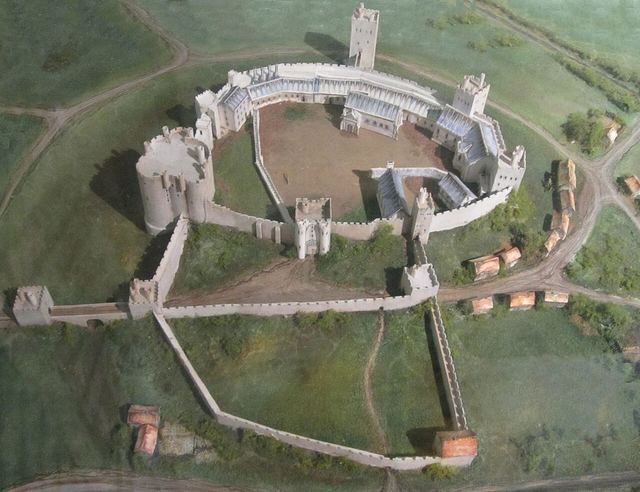
Pontefract Castle
A major Lancastrian-turned-royal castle where, in 1483, Richard III had Earl Rivers, Richard Grey and Thomas Vaughan - the young Edward V's guardians - executed without trial, clearing his path to the throne.
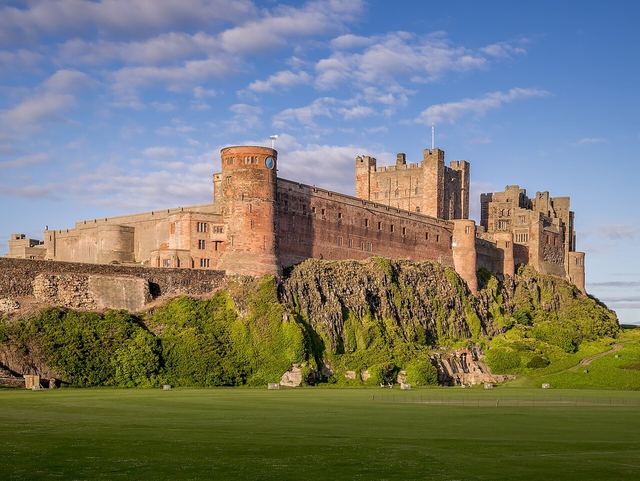
Bamburgh Castle
The last major Lancastrian holdout in the north, besieged and retaken by Yorkist artillery in 1464 - reputedly the first castle in England to fall to gunpowder siege guns rather than the older methods of starvation or mining.
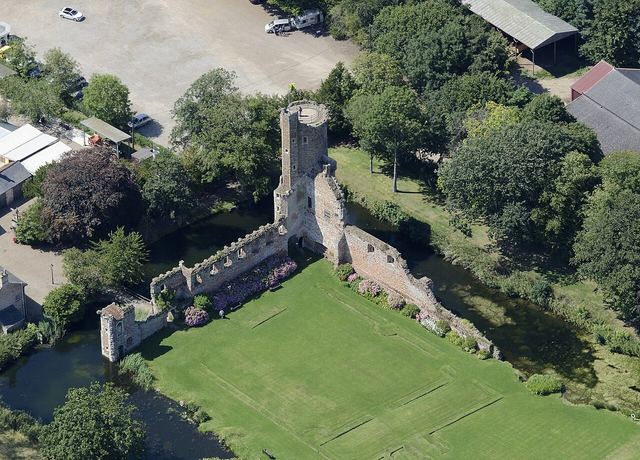
Caister Castle
Built by Sir John Fastolf and fought over afterwards - the Paston family, who inherited it, held it against a full siege by the Duke of Norfolk in 1469, an episode documented in unusual detail by their own surviving letters.