The roll · The Castle Rolls
The oldest castles in the UK you can still visit.
Published lists disagree about which castle is oldest because they are quietly measuring different things. Here are 21 visitable sites across 3 nations, sorted into the four eras that each have a fair claim, with what actually survives at each one.
There is no single oldest castle in the UK. Chepstow Castle, begun in 1067, is the usual answer for the oldest surviving stone castle, and Richmond Castle of 1071 is generally called the oldest stone-built Norman castle in England. But Bamburgh appears in writing in AD 547, and the Roman walls still standing at Pevensey and Portchester date to about AD 290, which makes them the oldest fortifications on this list by seven centuries. Which one is oldest depends entirely on what you are measuring.
That is the honest shape of this question, and it is why two reputable sources will hand you two different castles. The four sections below take the four tests in turn: the oldest walls still standing, the earliest place on record, the castles founded in the years immediately after 1066, and the oldest stone that is still up. Ratings and review counts come from the roll and are shown on every entry so you can see which of these are genuinely worth the journey.
Roman walls that are still standing
The oldest fortification you can walk up to in Britain is not a castle at all. Four sites on this roll are Roman forts that the Normans later re-used, and at two of them the Roman wall is still the wall you see. English Heritage dates the Pevensey fort by tree-ring analysis of the piles sunk into its wall foundations.
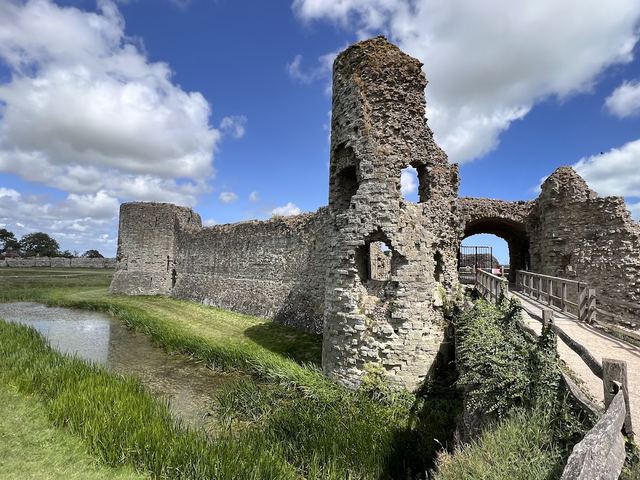
Pevensey Castle Roman fort about AD 290
4.5 across 2,660 Google reviews. England. Tree-ring dating of the wall foundations puts the Roman fort at about AD 290. William landed below it in September 1066 and threw up his first English fortification inside the Roman walls straight away.
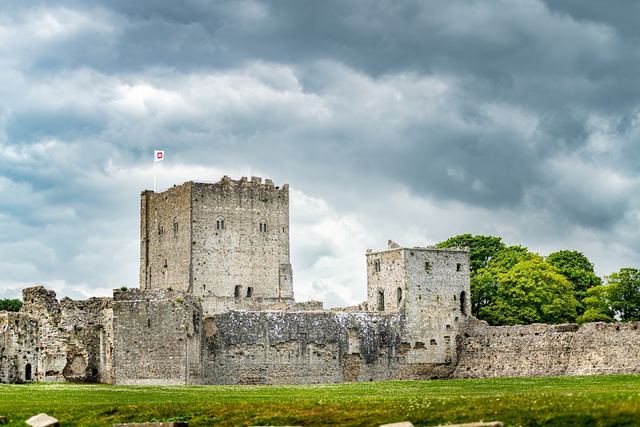
Portchester Castle Roman fort, late 3rd century
4.6 across 5,228 Google reviews. England. A Roman Saxon Shore fort that still retains most of its Roman defences, with a Norman keep dropped into one corner in the 12th century. The circuit is close to complete.
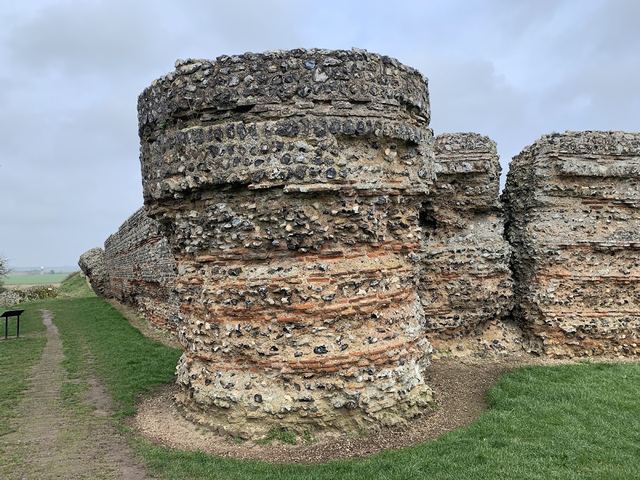
Burgh Castle Roman Fort Roman fort, late 3rd century
4.5 across 916 Google reviews. England. Another Saxon Shore fort, its flint and tile walls standing on three sides above Breydon Water, free to walk into and never converted into a stone castle. Free to enter.
Cardiff Castle Roman fort, 3rd century
4.6 across 22,719 Google reviews. Wales. The Roman fort wall is built into the circuit around the Norman motte, with the Roman stonework marked out in a different band so you can read the two ages apart.
Strongholds named before the Conquest
If the test is the earliest recorded fortress rather than the oldest masonry, the answer moves north and back five centuries. These sites were strongholds long before anyone in Britain built a castle in the Norman sense, and what survives above ground at each of them is much later than the first record of the place.
Bamburgh Castle first recorded AD 547
4.7 across 19,110 Google reviews. England. The first written reference is AD 547, when the citadel was taken by Ida of Bernicia. The defences then were timber on a basalt crag; every stone you see today is later.
Dover Castle Roman lighthouse, 2nd century
4.7 across 17,448 Google reviews. England. The Roman pharos in the grounds is one of the tallest surviving Roman structures in Britain and stands beside a Saxon church, centuries older than the Norman great tower next to them.
Tynemouth Priory and Castle Anglo-Saxon monastery, 7th century
4.6 across 3,707 Google reviews. England. An Anglo-Saxon monastic site on the headland long before the castle. The gatehouse and walls that give it the second half of its name are medieval.
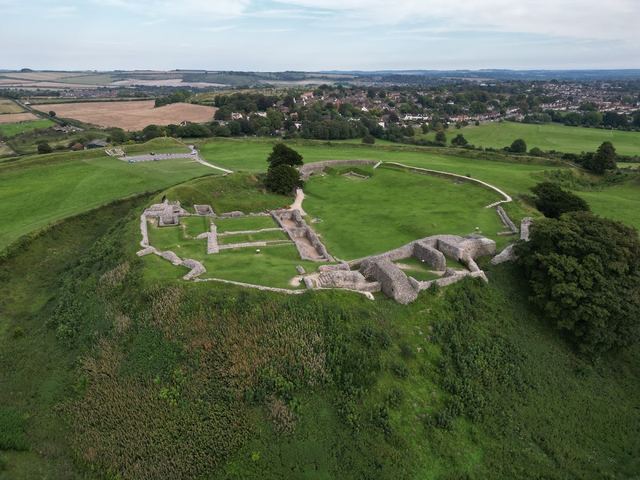
Old Sarum Iron Age hillfort, Norman castle 1069
4.5 across 3,557 Google reviews. England. An Iron Age hillfort that William took over in 1069, putting a royal castle inside ramparts that were already ancient when he arrived.
The castles of the Conquest itself
This is the group most lists mean by "oldest castle", and it is genuinely tight: a handful of sites founded inside six years of Hastings. Nearly all of them began as earth and timber, which is why so little of the original fabric survives even where the foundation date is not in doubt.
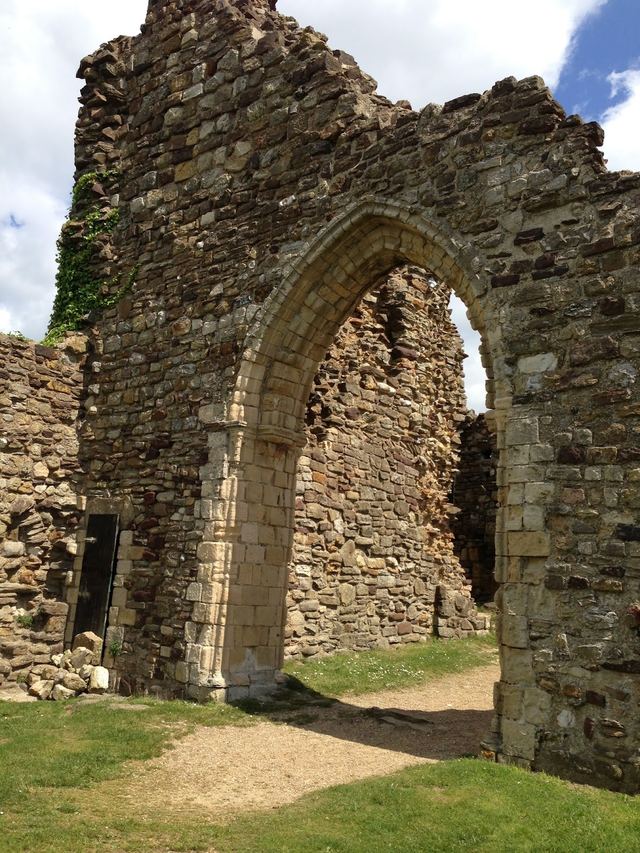
Hastings Castle 1066
4.2 across 2,756 Google reviews. England. One of the first Norman castles raised in England, a prefabricated timber fort put up within weeks of the landing and rebuilt in stone soon after.
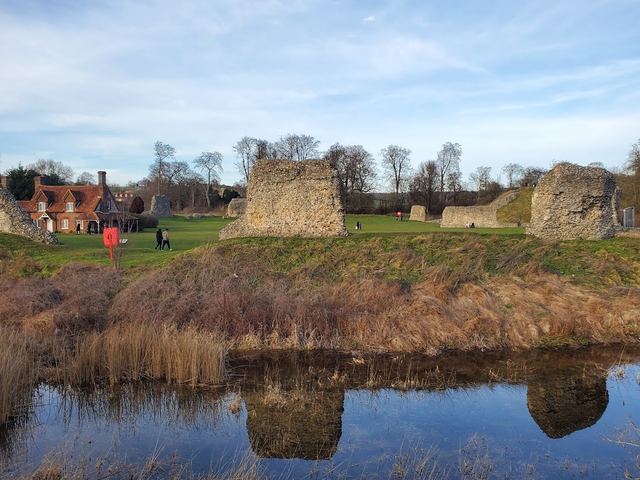
Berkhamsted Castle 1066 to 1067
4.5 across 940 Google reviews. England. Earthworks and flint from the castle where the English submitted to William after Hastings. Free, open daily, and mostly earthwork now. Free to enter.
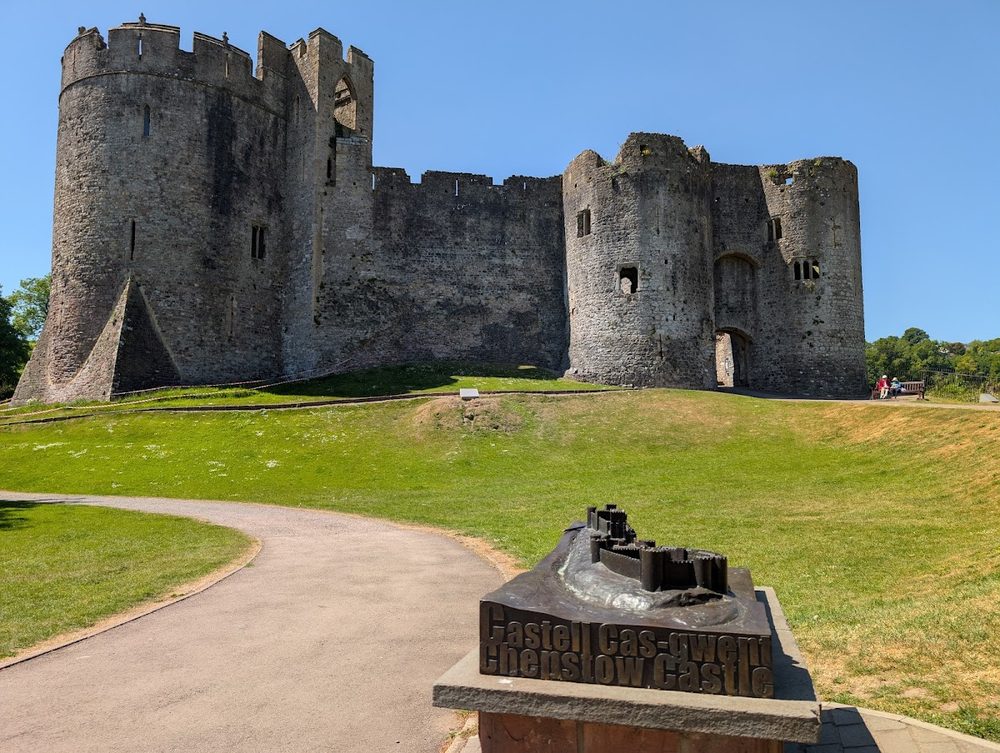
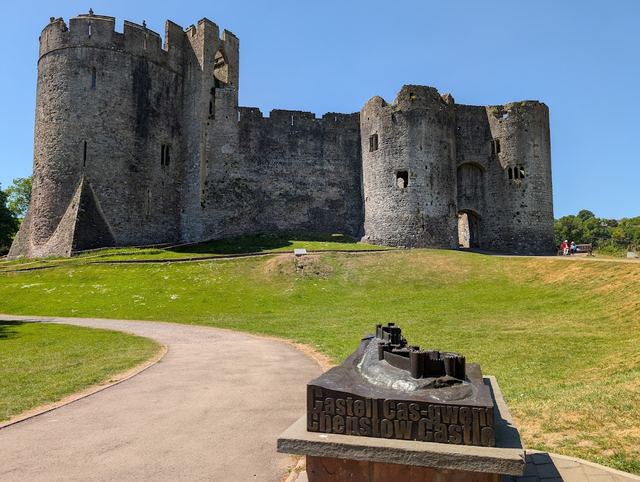
Chepstow Castle begun 1067
4.6 across 4,340 Google reviews. Wales. Cadw dates the start of building to 1067 under William fitz Osbern. It was stone from the outset rather than timber, which is the basis of its claim below.
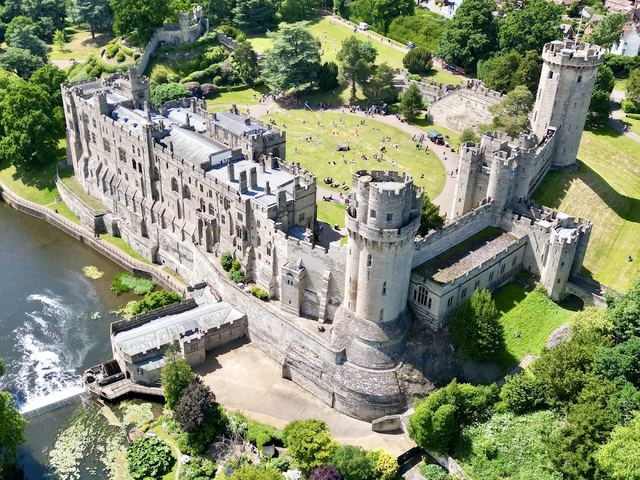
Warwick Castle 1068
4.6 across 26,516 Google reviews. England. Founded by William in 1068 as a motte and bailey. The mound is the Norman one; the towers and the show castle around it are far later.
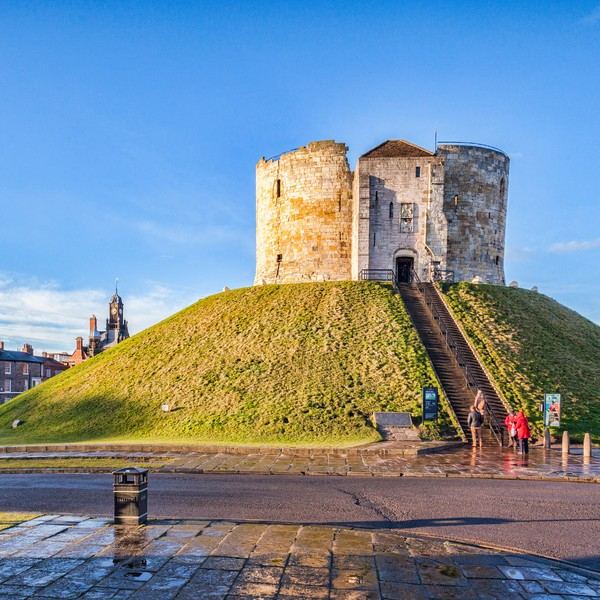
Clifford's Tower, York motte 1068
4.3 across 5,963 Google reviews. England. The motte was raised in 1068, but the stone tower standing on it dates from the 13th century, so the earthwork and the masonry are nearly two hundred years apart.
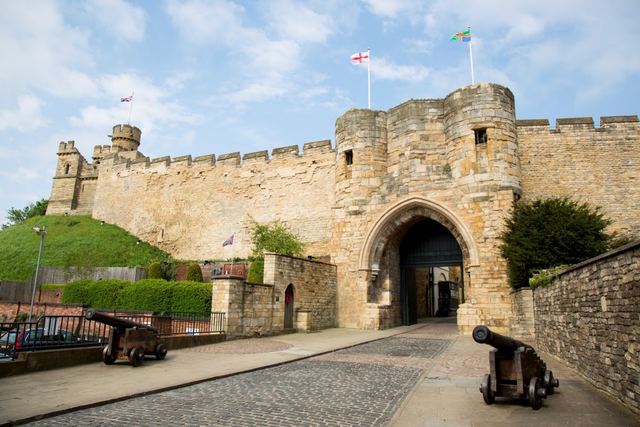
Lincoln Castle 1068
4.6 across 11,827 Google reviews. England. Ordered by William in 1068 and built inside the corner of the Roman upper city, with a full wall walk you can circuit today.
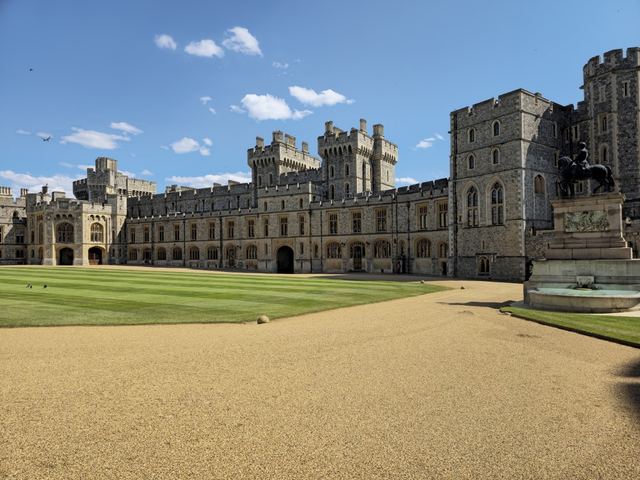
Windsor Castle about 1070
4.7 across 64,907 Google reviews. England. Begun about 1070 as one of the ring of castles around London, and the only one of them still in use as a royal residence.
Durham Castle 1072
4.6 across 2,087 Google reviews. England. Founded in 1072 and continuously occupied ever since, now a university college, which is why access is by guided tour rather than free wandering.
The oldest stone still standing
The narrowest and most defensible test: not when the site was first fortified, but how much of the earliest stonework is still up. On that measure the field thins to a few buildings, and the two names that come up most are Chepstow in Wales and Richmond in England.
Chepstow Castle stone from 1067
4.6 across 4,340 Google reviews. Wales. The great hall block is the oldest surviving stone castle building in Britain on most readings, because it was built in stone from the start rather than replacing an earlier timber castle.
Richmond Castle 1071
4.6 across 2,969 Google reviews. England. Founded by Alan Rufus from 1071 and widely described as the oldest stone-built Norman castle in England, with unusually complete curtain walls of that first build.
Colchester Castle begun 1076
4.5 across 3,440 Google reviews. England. The largest Norman keep in Europe by floor area, begun in 1076 on the podium of the Roman Temple of Claudius, so its foundations are Roman and its walls are Norman.
Tower of London White Tower, about 1078
4.7 across 120,472 Google reviews. England. The White Tower went up from about 1078 and is the reason the whole complex exists. Everything else at the Tower grew outward around it.
Rochester Castle keep 1127
4.6 across 9,222 Google reviews. England. One of the tallest Norman keeps in England, begun in 1127 and famously undermined by King John in 1215, which is why one corner tower is round and the other three are square.
Castle Sween 12th century
4.6 across 184 Google reviews. Scotland. A contender for the oldest standing stone castle on the Scottish mainland, free and unstaffed on the shore of Loch Sween. Free to enter.
All 21 on one page
Pevensey Castle
4.5 stars, 2,660 reviews
Portchester Castle
4.6 stars, 5,228 reviews
Burgh Castle Roman Fort
4.5 stars, 916 reviews
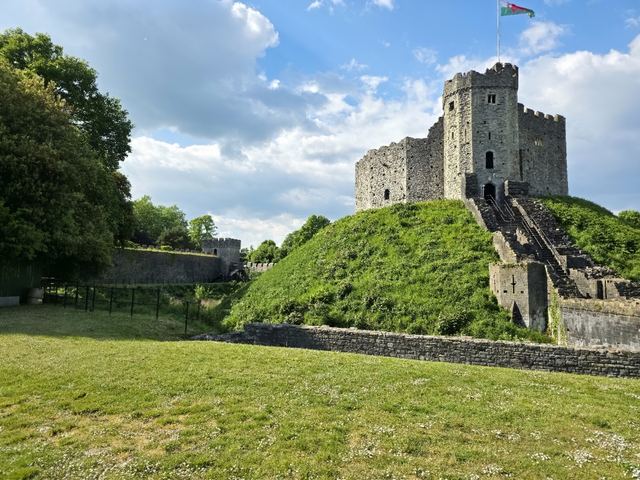
Cardiff Castle
4.6 stars, 22,719 reviews
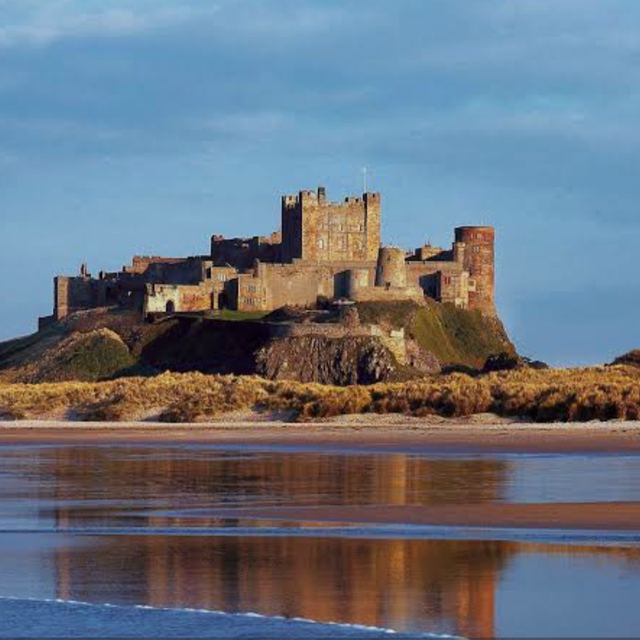
Bamburgh Castle
4.7 stars, 19,110 reviews
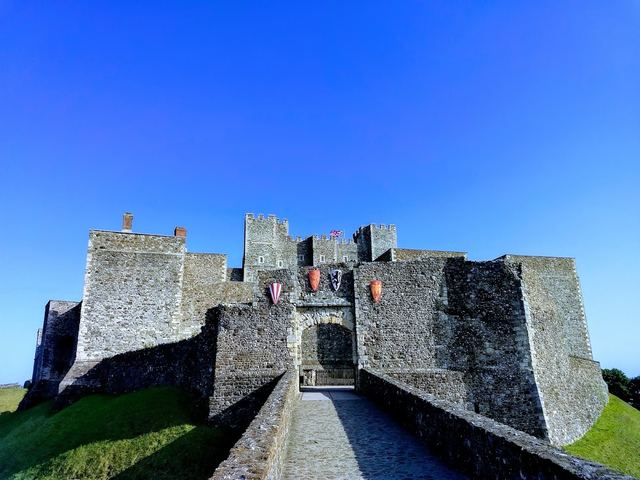
Dover Castle
4.7 stars, 17,448 reviews
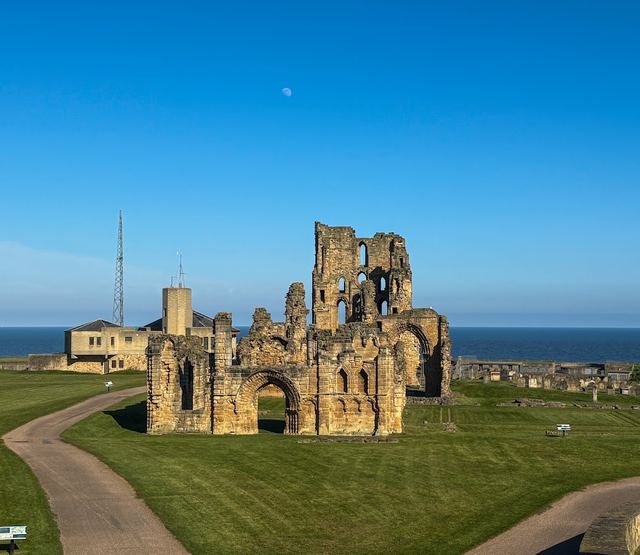
Tynemouth Priory and Castle
4.6 stars, 3,707 reviews
Old Sarum
4.5 stars, 3,557 reviews
Hastings Castle
4.2 stars, 2,756 reviews
Berkhamsted Castle
4.5 stars, 940 reviews
Chepstow Castle
4.6 stars, 4,340 reviews
Warwick Castle
4.6 stars, 26,516 reviews
Clifford's Tower, York
4.3 stars, 5,963 reviews
Lincoln Castle
4.6 stars, 11,827 reviews
Windsor Castle
4.7 stars, 64,907 reviews
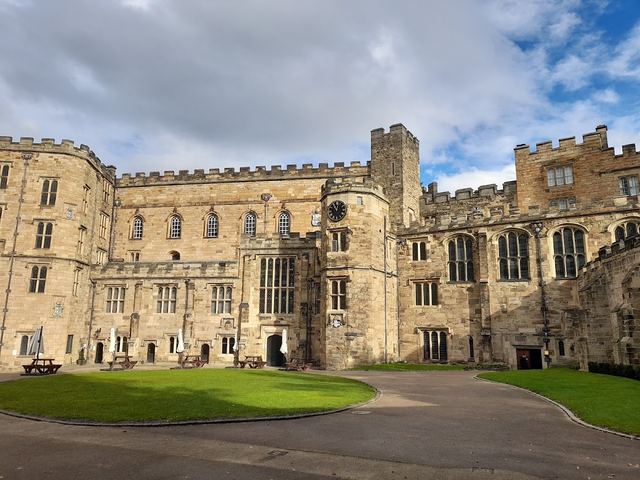
Durham Castle
4.6 stars, 2,087 reviews
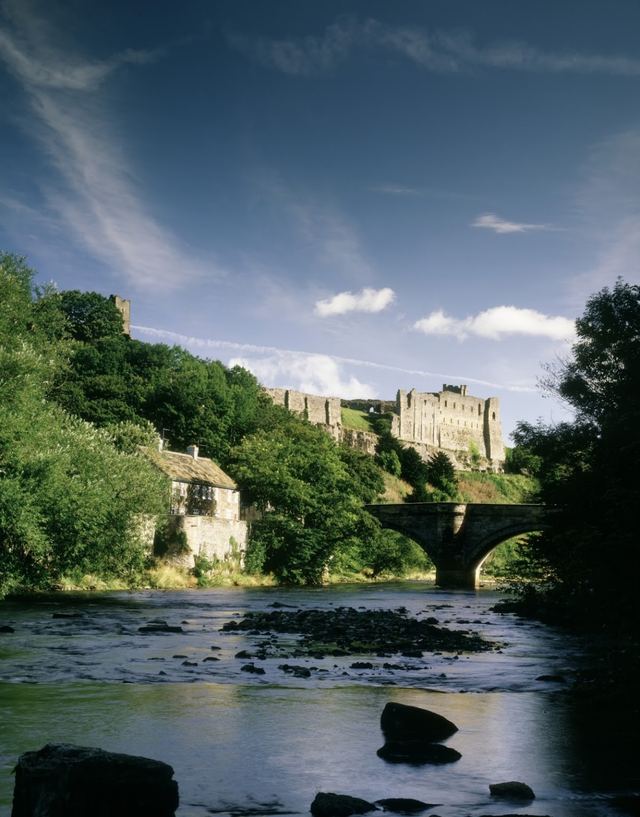
Richmond Castle
4.6 stars, 2,969 reviews
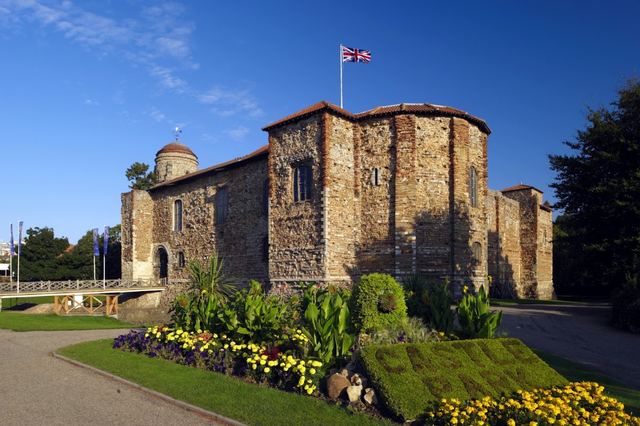
Colchester Castle
4.5 stars, 3,440 reviews
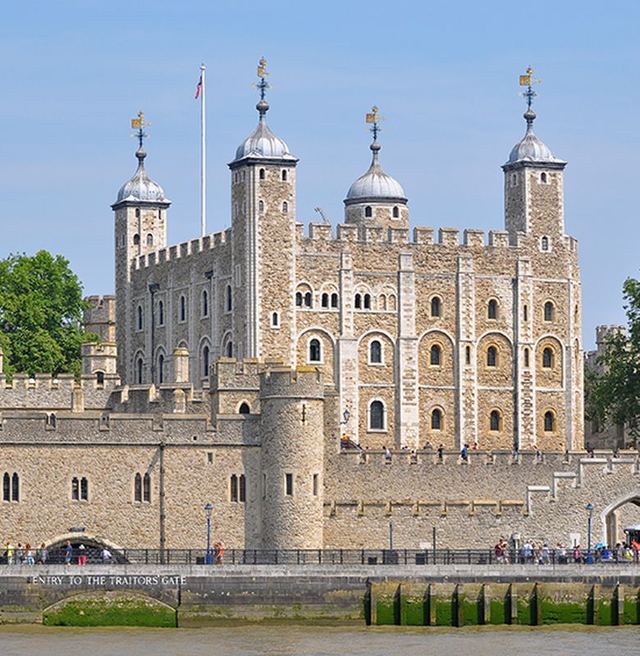
Tower of London
4.7 stars, 120,472 reviews
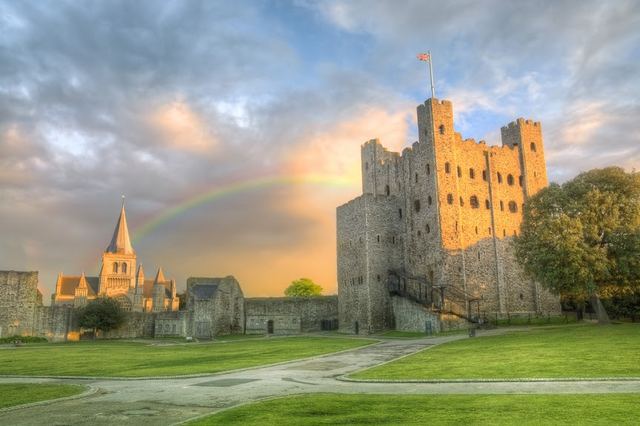
Rochester Castle
4.6 stars, 9,222 reviews
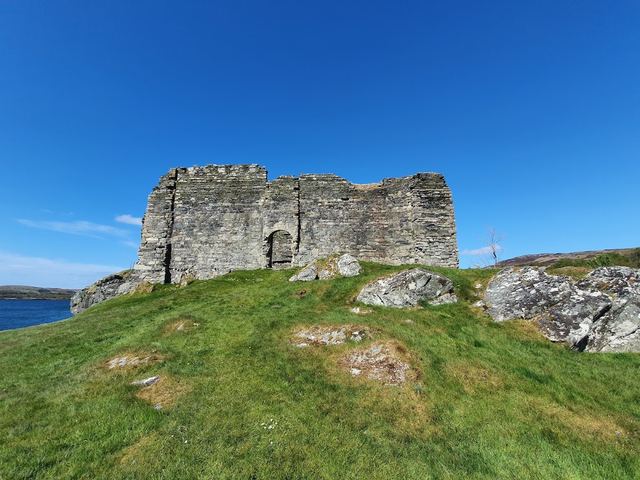
Castle Sween
4.6 stars, 184 reviews
Founding dates on this page were checked against the operator or the national heritage body rather than taken from other lists: Cadw for Chepstow, English Heritage for Pevensey, Portchester, Old Sarum and Richmond, and the castle's own history for Bamburgh. Where a date is disputed or approximate it says so on the entry. Ratings, review counts, nations and access status are read from the roll itself.
Questions people ask
What is the oldest castle in the UK?
There is no single answer, which is why published lists disagree. Chepstow Castle in Monmouthshire is the usual answer for the oldest surviving stone castle, begun in 1067. Richmond Castle in North Yorkshire is generally called the oldest stone-built Norman castle in England, founded in 1071. Bamburgh is the earliest stronghold on record, first written about in AD 547, and the Roman walls at Pevensey and Portchester are older than any of them at around AD 290.
What is the oldest castle you can actually go inside?
Chepstow Castle is the strongest candidate, because its great hall block was built in stone from 1067 rather than replacing an earlier timber castle, and it is open to visitors under Cadw. Colchester Castle and the White Tower at the Tower of London are both later but are complete buildings you walk through rather than ruins you walk around.
Are any of the oldest castles free to visit?
Yes. 3 of the 21 sites on this page are free open-access sites with no ticket and no booking, including Berkhamsted Castle, where the English submitted to William after Hastings, and Burgh Castle, whose Roman walls still stand on three sides.
Why do Roman forts appear on a list of oldest castles?
Because at Pevensey, Portchester and Cardiff the Roman wall is not a separate ruin next to the castle, it is the castle's outer defence. The Normans built inside walls that were already seven or eight centuries old, so the oldest standing fortification on those sites is Roman rather than medieval.
Is the oldest part of a castle usually the part you see?
Often not. Most castles founded in the years after 1066 began as earth and timber and were rebuilt in stone later, so a firm foundation date rarely means firm early fabric. Clifford's Tower in York is the clearest case on this page: the motte dates from 1068 and the stone tower on top of it from the 13th century.